
Ghana is stepping up efforts to guard its northern frontier against the growing threat of violent extremism spreading from the Sahel, with a renewed focus on community trust and collaboration between citizens and security agencies.
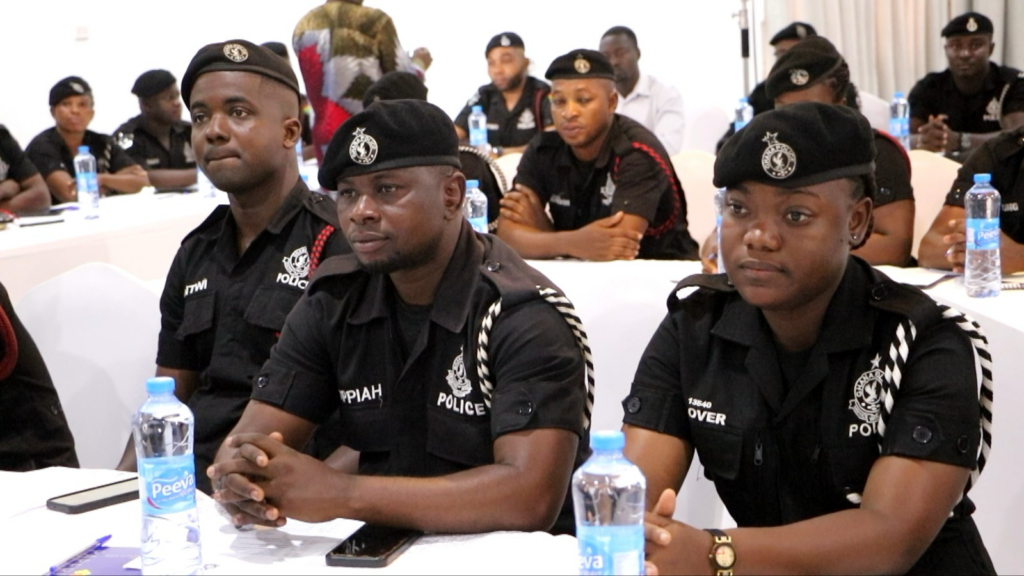
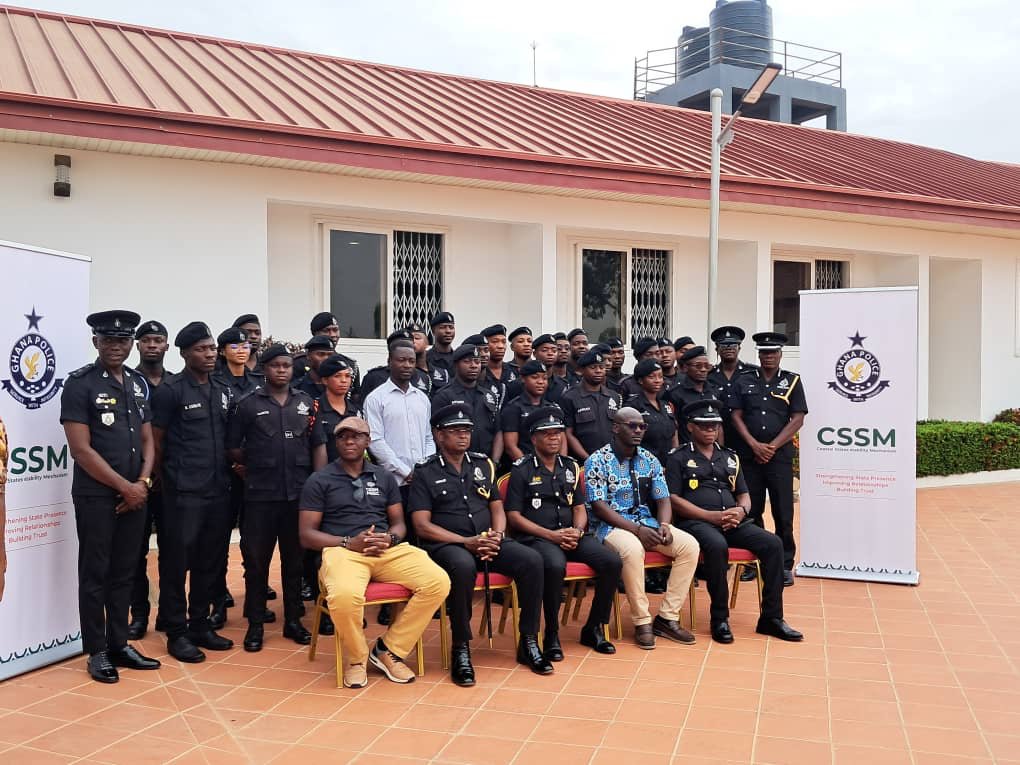
The Coastal States Stability Mechanism (CSSM), in partnership with the Ghana Police Service, has launched an intensive community policing and capacity-building training programme to strengthen relationships in vulnerable border communities.
The initiative, operating under the theme “Strengthening State Presence, Improving Relationships, Building Trust,” seeks to close the gap between law enforcement and communities in high-risk areas.
Monitoring and Evaluation Officer for CSSM, Amos Nunifant, said extremist groups are expanding their reach and exploiting local vulnerabilities. He stressed the need for early warning systems rooted in community engagement.
“Security is strong when communities and security institutions work hand in hand,” he stated. “Community members are often the first to observe changes or tensions in their communities… they pick up signals early enough. If we leave the communities alone, we will not achieve our target.”

He explained that CSSM, implemented by the International Organisation for Migration (IOM), is designed to strengthen ties between citizens and the state before insecurity takes root in Ghana’s border districts.
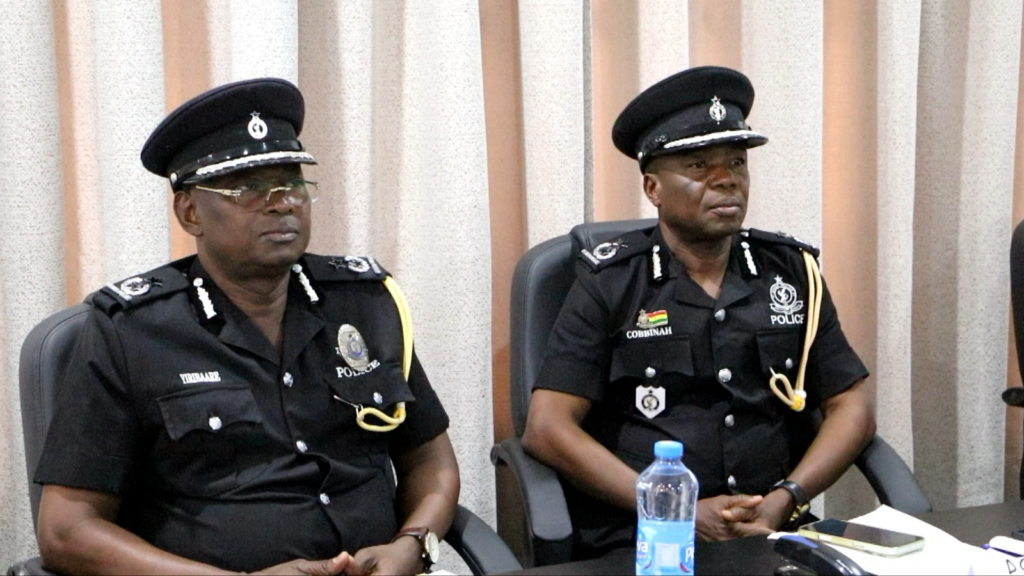
Upper West Regional Police Commander, DCOP Francis Yiribaare, also emphasised the importance of cooperation in addressing modern security challenges, especially in border districts such as Sissala West, Lambussie, and Wa West.
“Community policing is not just a strategy; it is also a philosophy that places the citizen in the centre of security,” he said.
“The police cannot operate in isolation. We must build trust, foster collaboration, and actively engage communities as partners.”
The training has also received support from the national police leadership.
Opening the programme, Deputy Director General of the National Patrol Department, DCOP Prince Jude Cobbinah, pointed to earlier interventions by CSSM, including training for officers in the North East Region and the provision of operational equipment.
“Policing is most effective when it is close to the people, when citizens are involved, and when trust is built through consistent, respectful engagement,” he noted.
Facilitators of the programme urged officers to apply the lessons in the field by strengthening engagement with traditional authorities, treating citizens with dignity, and addressing tensions early before they escalate into insecurity.
The initiative forms part of broader efforts to reinforce Ghana’s resilience as regional instability from the Sahel continues to pose security concerns for coastal West Africa.
About the Author
