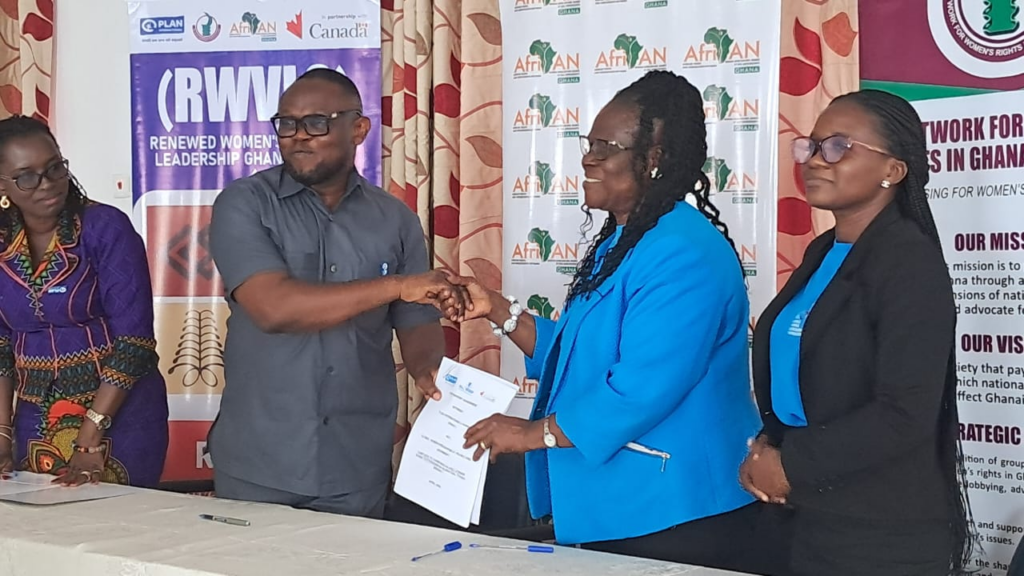
A significant step towards strengthening women’s rights and advancing gender equality in Ghana has been marked with the formal signing of contracts under the Renewed Women’s Voice and Leadership (RWVL) Ghana Project.
At a ceremony attended by key development partners and civil society actors, the Acting Country Director of Plan International Ghana, Mr Frederick Tei-Nobi, described the event as more than a procedural milestone, calling it a decisive transition from planning to real, measurable action.
“This moment represents not just the formalisation of partnership, but the beginning of translating shared intentions into concrete impact,” he stated.
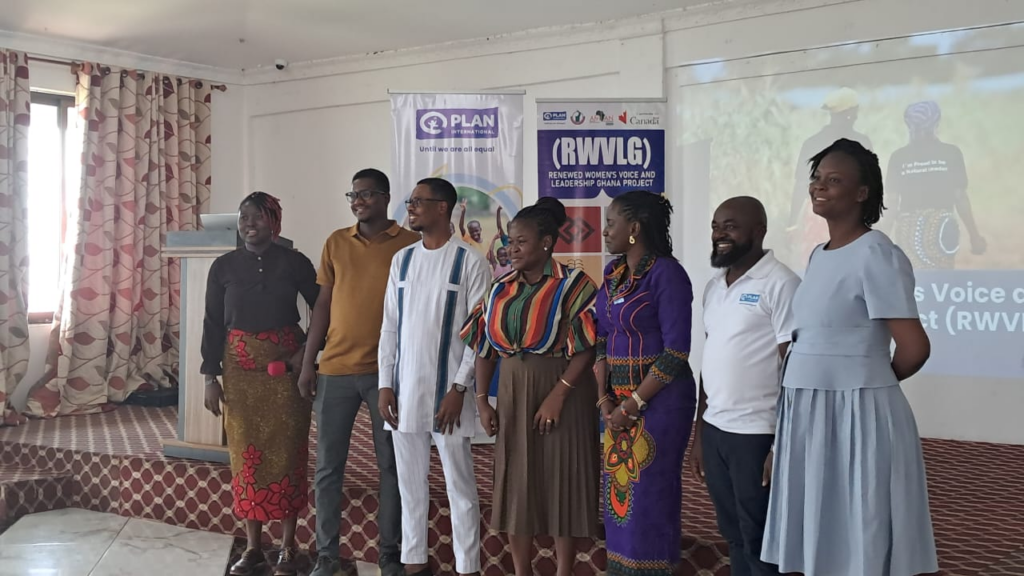
The RWVL Ghana Project, a six-year initiative, is being implemented by Plan International Ghana in collaboration with Plan International Canada, NETRIGHT, and AfriYAN Ghana, with funding support from Global Affairs Canada. The programme is anchored in Canada’s Feminist International Assistance Policy, which prioritises gender equality and the empowerment of women and girls as central to sustainable development.
At its core, the project seeks to strengthen the capacity, sustainability, and influence of women’s rights organisations, youth-led groups, and social movements across the country. It also aims to expand the enjoyment of human rights among women and girls in all their diversity while addressing systemic inequalities.
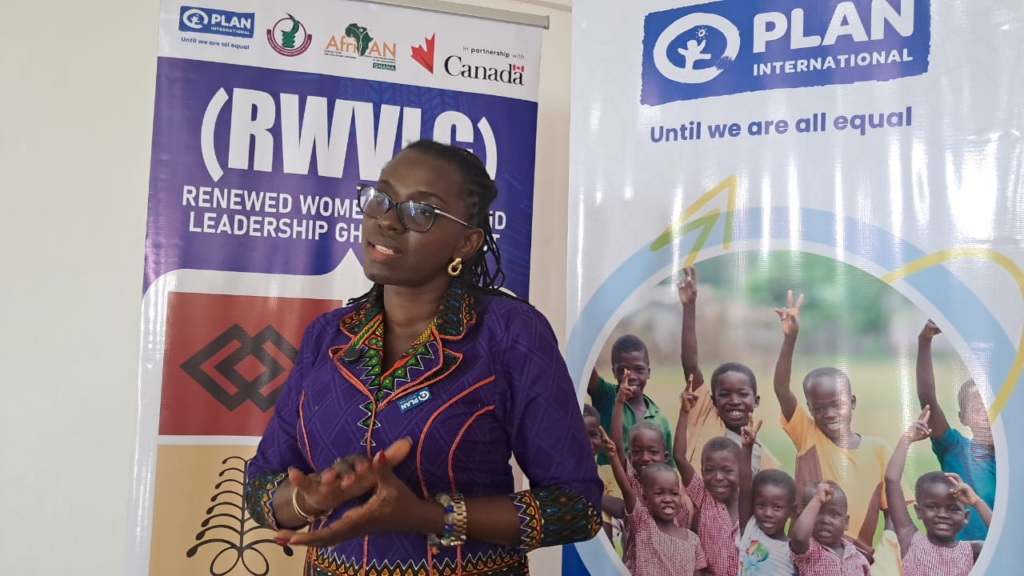
Under the initiative, 138 grants will be distributed to 120 organisations over the project’s lifespan. These organisations, drawn from 12 of Ghana’s 16 regions in the first phase, represent a broad coalition of grassroots actors, women human rights defenders, and youth-led movements working at the frontline of advocacy and social change.
Mr Tei-Nobi emphasised that the selection of these organisations was based not only on technical competence but also on their credibility and proven commitment to advancing the rights of women and girls.
“Locally rooted organisations understand their contexts, build trust within communities, and sustain impact over time. This investment is a recognition of your leadership and your ability to drive change at all levels,” he noted.
The RWVL project places strong emphasis on flexible funding, institutional capacity building, and movement strengthening an approach development experts say is critical for long-term, community-driven transformation. It also aims to challenge harmful cultural and religious norms while amplifying voices that promote inclusion, agency, and equality.
However, alongside the opportunities comes a clear expectation of accountability. Beneficiary organisations have been urged to manage resources with integrity and transparency while delivering programmes that produce tangible improvements in the lives of women, children, and families.
“There must be a strong focus on results results that are measurable and meaningful,” Mr Tei-Nobi stressed.
Plan International Ghana has pledged continued support to partner organisations, including strengthening institutional frameworks, enhancing programme delivery, and creating pathways for grassroots voices to influence national policy and decision-making processes.
The ceremony concluded with a strong call for partners to view the agreements not merely as contracts, but as a shared commitment to building a more equitable society.
With implementation now underway, stakeholders say the real test will lie in how effectively these partnerships translate funding into lasting change, particularly for women and girls whose voices have historically been marginalised.
If successfully executed, the RWVL Ghana Project could redefine the role of local organisations in shaping the country’s gender equality agenda, placing community-driven solutions at the centre of national development.
About the Author