
Ghana and Japan have deepened its development cooperation with the launch of three major initiatives targeting peacebuilding, digital transformation, and health innovation.
The projects, unveiled on Wednesday, April 15, 2026, at the Ministry of Foreign Affairs, are being funded under Japan’s Fiscal Year 2025 Supplementary Budget, with a combined initial investment of approximately US$1.5 million.
They are being implemented in partnership with the governments of Ghana and Japan, alongside the United Nations Development Programme (UNDP) and the World Health Organisation (WHO).
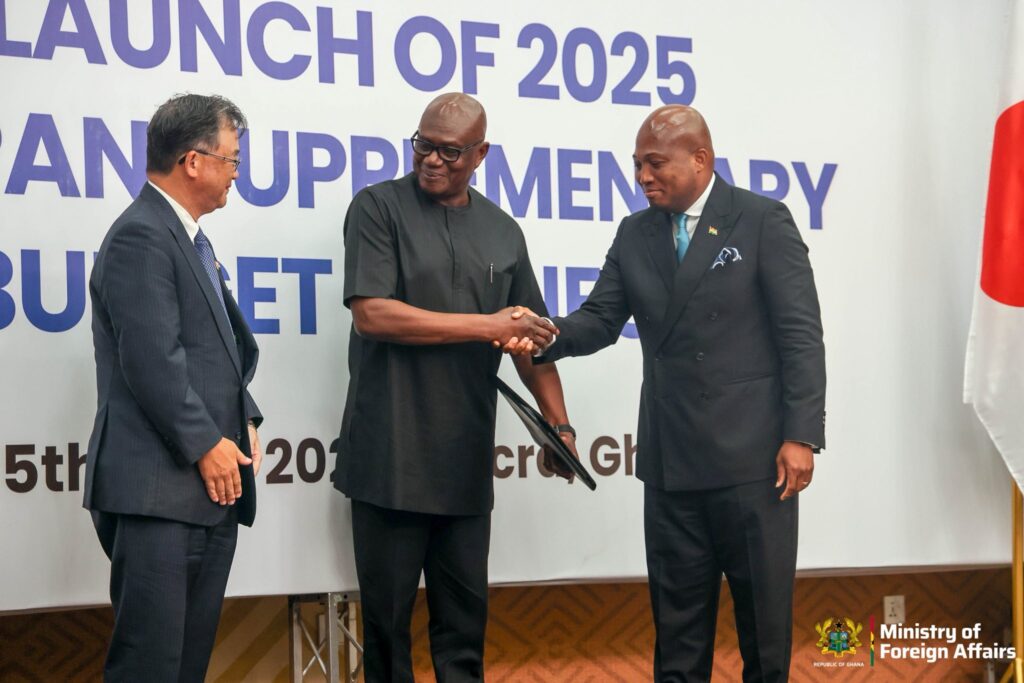
The initiatives include a peacebuilding project in Bawku under the Humanitarian-Development-Peace (HDP) Nexus, a digital transformation programme focused on capacity building in the public sector, and an artificial intelligence-driven health project aimed at improving health outcomes while addressing risks to human security.
Speaking at the launch, the Minister for Foreign Affairs, Samuel Okudzeto Ablakwa, said the projects reflect a shared commitment to peace, inclusive development, and responsible innovation.
He noted that the interventions align with Ghana’s national priorities in conflict resolution, digital governance, and universal health coverage.
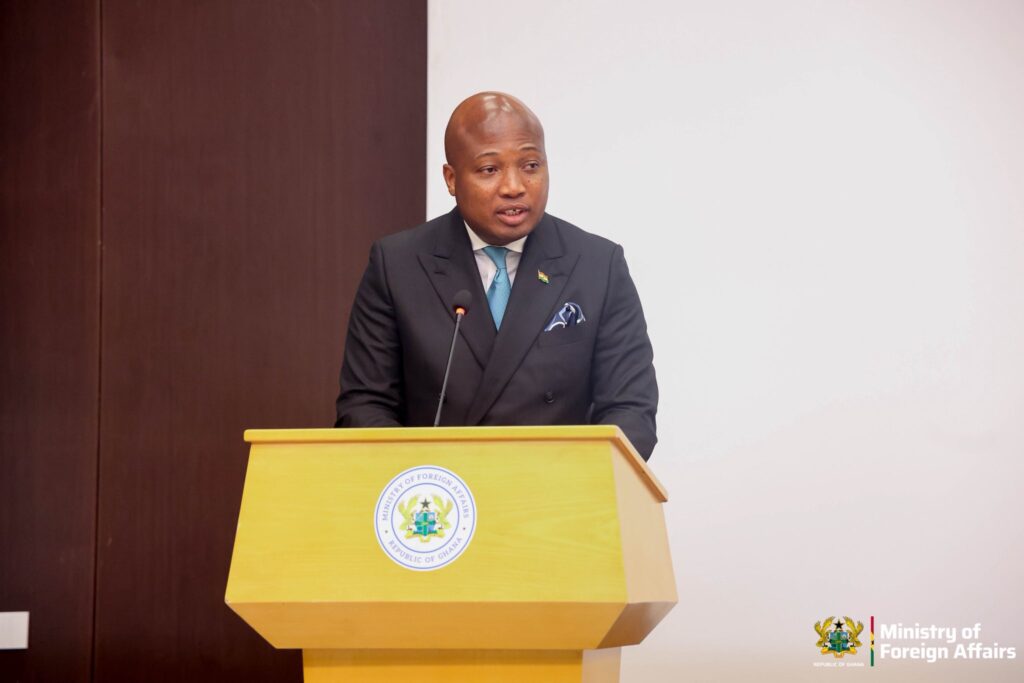
He highlighted the significance of the Bawku initiative, describing it as complementary to ongoing national efforts to restore peace through a coordinated approach that combines reconciliation, reconstruction, and long-term community resilience.
On the security dimension, National Security Advisor Prosper Bani stressed that sustainable peace goes beyond security enforcement, emphasising the need for dialogue, trust-building, and inclusive development to resolve conflicts.
Meanwhile, the Minister for Communication, Digital Technology and Innovations, Samuel Nartey George, underscored the transformative potential of artificial intelligence in governance.
He disclosed that Ghana’s National Artificial Intelligence Strategy has received Cabinet approval and is set to be launched next week, positioning the country as a regional leader in responsible AI deployment.
Japan’s Ambassador to Ghana, Hiroshi Yoshimoto, described the partnership as a reflection of deepening bilateral relations, reaffirming Japan’s commitment to supporting Ghana through human security-focused interventions.
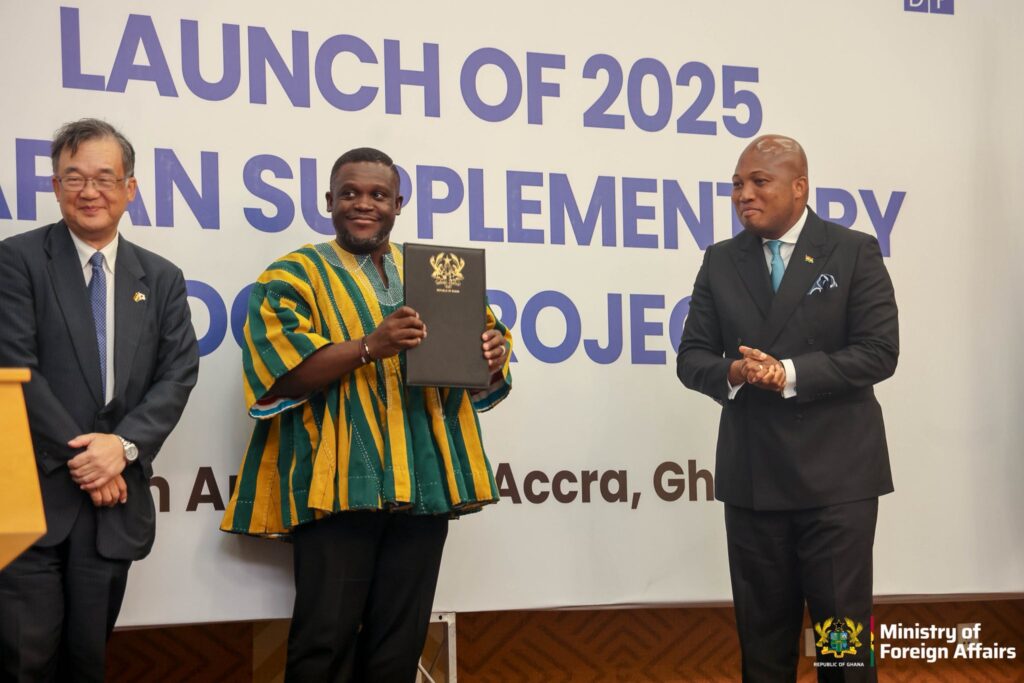
A statement delivered on behalf of the Minister for Health, Kwabena Mintah Akandoh, noted that the AI-for-health project will strengthen disease surveillance, enable early outbreak detection, improve data governance, and expand access to healthcare services.
The UNDP Resident Representative, Niloy Banerjee, commended Japan’s continued support, stating that the projects demonstrate how innovation, peacebuilding, and resilience can be pursued simultaneously.
Similarly, WHO Country Representative Fiona Braka emphasised the importance of ensuring that artificial intelligence in healthcare remains ethical, inclusive, and people-centred.
The UN Resident Coordinator, Zia Choudhury, added that the initiatives contribute directly to multiple Sustainable Development Goals and reaffirmed the UN’s commitment to supporting Ghana’s development agenda.
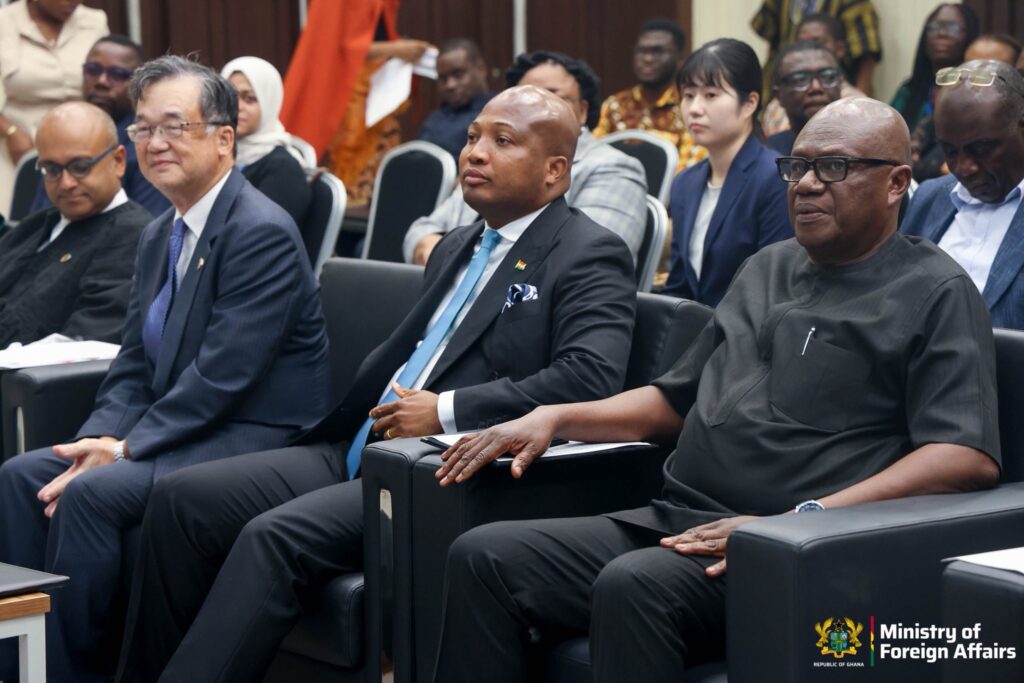
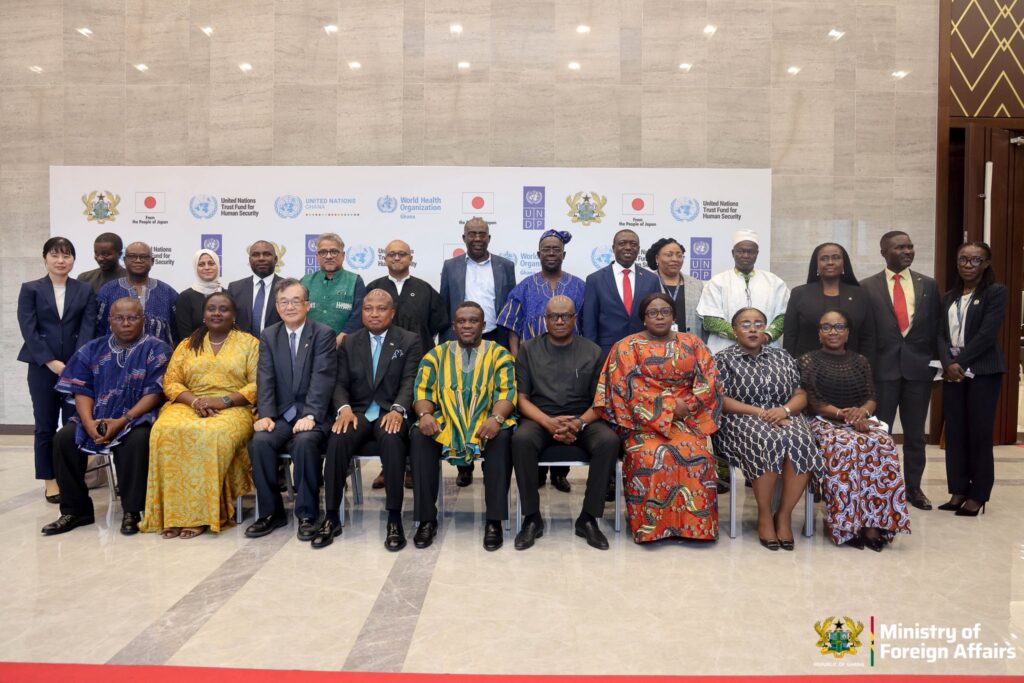
The launch brought together senior government officials, development partners, and representatives of implementing institutions, signalling a renewed push toward building a peaceful, resilient, and technologically advanced future for Ghana.
About the Author