
Ghana is intensifying its push to become the preferred transit hub for Sahelian trade, with a bold promise to cut transportation costs by as much as 48% through a new logistics strategy anchored in the Boankra Integrated Logistics Terminal.
Speaking at the signing of a Memorandum of Understanding between the Ghana Shippers’ Authority and the Mali Shippers’ Council in Bamako, CEO Prof. Ransford Gyampo said the agreement signals a deepening of a long-standing partnership aimed at making shipping and logistics more efficient and competitive for both countries.
“This event marks not only the continuation of a relationship but also the deepening of a strategic partnership that has been nurtured over the years between our two organisations,” he said.
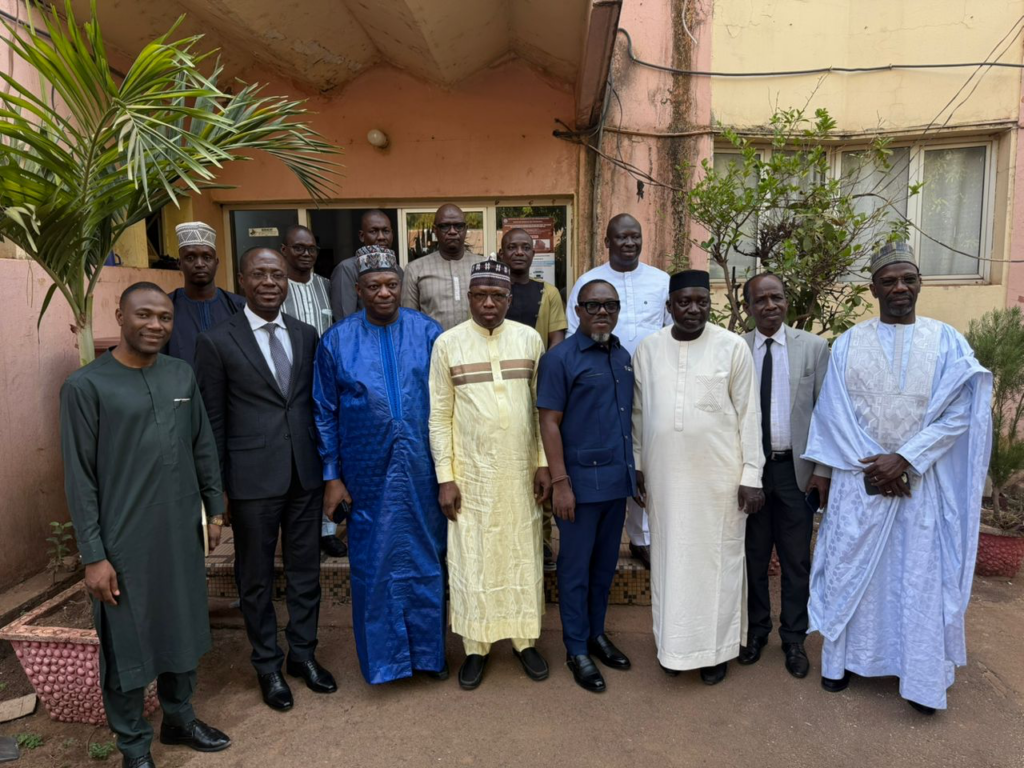
“Our collaboration is anchored on a shared vision: to promote efficient, competitive, and mutually beneficial shipping and logistics services for the benefit of shippers in both Ghana and Mali.”
The MoU spans trade facilitation, logistics coordination, information sharing and capacity building.
It will be implemented through joint research, data exchange and the harmonisation of transit procedures. A Joint Technical Committee comprising experts from both sides will oversee its execution and track progress.
Prof. Gyampo acknowledged long-standing bottlenecks on Ghana’s transit corridor, including high demurrage charges, non-transparent cargo handling, multiple checkpoints, extortion, axle load challenges and security concerns.
He warned that these issues “add to the cost of doing business and reduce the competitiveness of our commercial operators.”
He said the Authority has introduced several interventions to resolve complaints, including the establishment of Transit Shipper Committees, now designated as the National Transit Coordinator, alongside regular engagements with stakeholders and fact-finding missions.
The passage of the Ghana Shippers’ Authority Act, 2024 (Act 1122), he noted, has further strengthened the institution’s mandate to tackle these challenges.
“I am confident that this new mandate will not only strengthen the Authority’s capacity to support your international trade but also enable us to deal more decisively with the challenges that have long impeded the smooth functioning of the transit trade regime in Ghana,” he said.
Central to Ghana’s renewed pitch is the Boankra Integrated Logistics Terminal, a major inland port project positioned to serve northern Ghana and neighbouring Sahelian countries, including Mali, Burkina Faso and Niger.
The facility is designed to link cargo flows from Tema and Takoradi ports directly to inland markets.
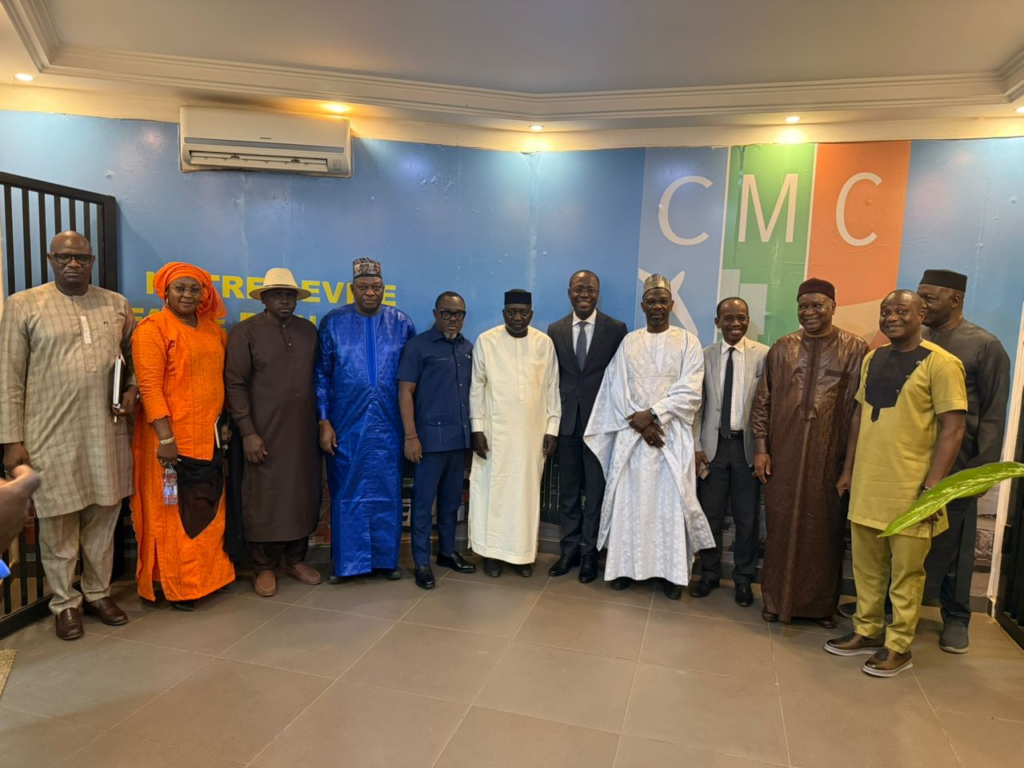
“It is expected to save 14% of the total transportation cost for cargo handled at Tema Port and 48% for those handled at Takoradi Port, further enhancing the competitiveness of Ghana’s transit corridor,” Prof. Gyampo stated.
He used the platform to invite commercial operators to prioritise Ghana as their transit route and called for investment partnerships to develop the Boankra terminal into a strategic logistics hub.
“I take this opportunity to invite commercial operators to make Ghana the preferred transit corridor,” he said.
He added, “I also wish to extend an invitation to partners with the requisite expertise and resources to invest in the BILT, so we can together create the strategic infrastructure that would further enhance the competitiveness of our shippers.”
Prof. Gyampo reaffirmed the Authority’s commitment to lowering costs at Ghana’s ports and improving trade flows along the corridor, expressing confidence that the renewed MoU would strengthen cooperation between the two countries.
About the Author
