
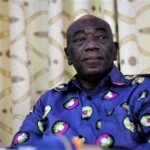
The Trades Union Congress (TUC) has vehemently rejected the recent increases in electricity and water tariffs, accusing the government of acting in “bad faith” just weeks after concluding negotiations for the 2026 minimum wage and base pay.
Speaking on Joy FM’s Midday News on Thursday, December 4, Joshua Ansah, Secretary General of the TUC, argued that the cumulative tariff hikes wipe out the hard-won 9% wage increase and effectively subject workers to a financial deficit.
Mr. Ansah highlighted the severe disconnect between the recently negotiated wage increase and the immediate hike in utility costs.
The Tripartite Committee, comprising government, employers, and organised labour, had settled on a 9% increase in the minimum wage and base pay for Ghanaian workers for the 2026 fiscal year.
However, barely two to three weeks after that agreement, the government announced utility tariff adjustments: 9% for electricity and an increase of over 15% for water.
Mr. Ansah used sharp financial data to illustrate the TUC’s outrage:
“Just a few weeks ago, the Tripartite Committee came up with a percentage of 9% as base pay and the minimum wage for Ghanaian workers. And just after 2-3 weeks, the government decides to slap us with an increase of 9% in the electricity and 15% plus in the water.”
He calculated the crippling effect of the combined tariff increases on workers’ household budgets, arguing that the government is essentially nullifying the new wage and creating a negative real income:
“Because you cannot give us 9% and also come back with the tariff of 9% and 15%, which is about 24%. This means that you are giving, taking your 9% and also giving us a negative 15%. And we think that workers cannot accept that. That’s why TUC is saying that this increase is unacceptable and the government must come again.”
TUC Demands Total Withdrawal or Renegotiation
The TUC Secretary General stated that workers view the move as being highly detrimental to their economic welfare and stressed that the union’s primary demand is the complete reversal of the utility hikes, not just a salary top-up.
“As for the two options that we stated in our statement, we want to consider the complete withdrawal of the tariff increases. We are not even interested in the top up of the salary.”
However, if the government refuses to withdraw the tariff hikes, the TUC insists that the entire base pay and minimum wage structure must be immediately renegotiated to compensate for the sudden, drastic increase in the cost of living.
“But if the government thinks that it cannot withdraw, then there’s a need for the government to renegotiate the 9%. Because you cannot give somebody 9 cedis and ask them to go and pay 24 cedis.”
The TUC’s firm stance highlights the growing pressure on household incomes due to inflation and rising costs of essential services, placing the government under intense pressure to justify the immediate need for the tariff hikes despite the recent wage negotiations.
About the Author
