When Ghana’s President John Mahama arrived in Zambia on February 4, 2026, he wore a traditional Ghanaian smock known as fugu, banaa, or batakari. Some people in Zambia reacted with laughter and misunderstanding when they saw the outfit, saying it looked unusual or like women’s clothing.

But the smock tells a deeper story of culture and identity, and this moment shows why Ghana should declare February 4 as a National Fugu Day to honour and explain its meaning to the world.

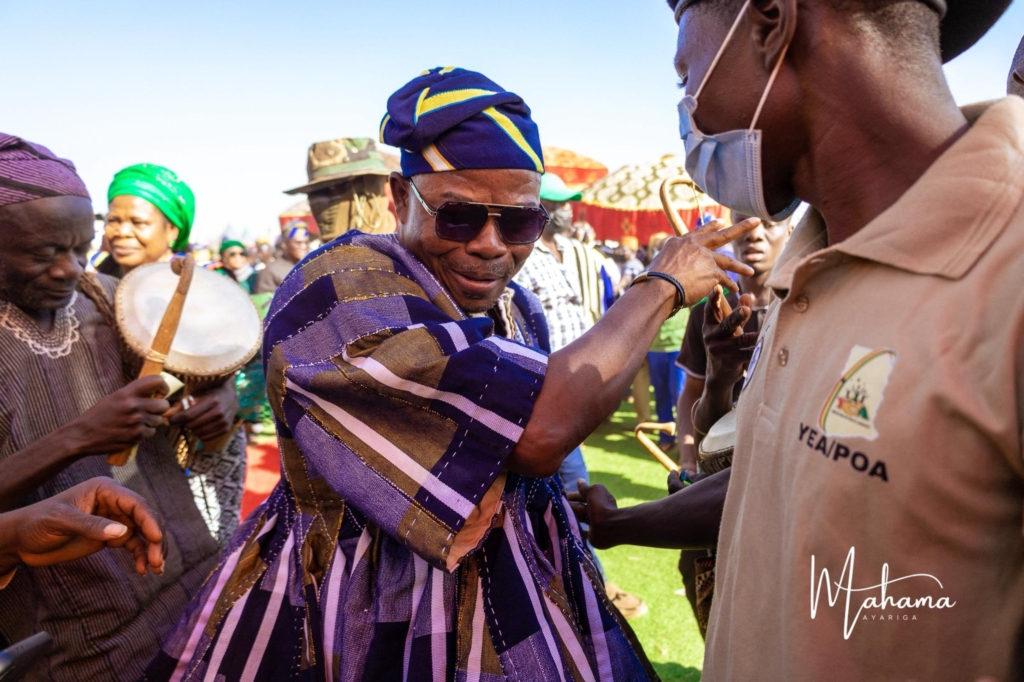
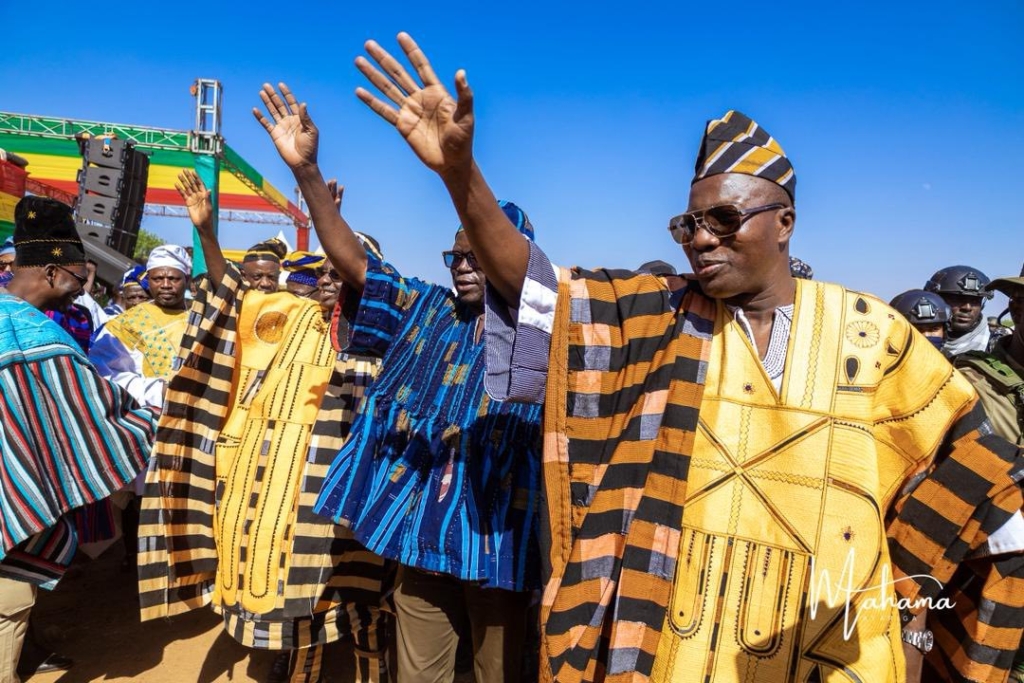
In northern Ghana, the smock is a symbol of respect, tradition, and leadership worn at important occasions such as festivals, weddings, ceremonies, and state events. Chiefs, elders, warriors, and respected citizens have worn it for centuries.
It became a national emblem when Ghana’s first president, Dr Kwame Nkrumah, wore it during the declaration of independence on 6 March 1957. This turned the smock from regional wear into a proud national symbol that stands for cultural identity and pride.
The reaction in Zambia shows that many people outside Ghana do not understand the smock’s meaning. Instead of seeing it as a sign of culture, some viewed it only as “clothing.” But the smock carries history, dignity, and artistic skill that deserve respect.
Declaring a National Fugu Day would help educate people both in Ghana and around the world about the true story of the smock. It would turn misunderstanding into learning and cultural pride.
The smock tradition supports many families and communities. Skilled weavers, dyers, and seamstresses make these garments by hand from cotton and plant dyes. The craft is ancient and passed down through generations, preserving important cultural knowledge.
A National Fugu Day would boost local artisans and weavers, cultural tourism and made-in-Ghana fashion. It would show that Ghana not only protects heritage, but also uses culture to create jobs and grow the economy.
National Fugu Day could be celebrated every year on 4 February, the same date as some Zambians mocked the traditional dress. This would link the day to history, identity, and unity.
On this day, schools, communities, and institutions could wear smocks and share stories of their meaning, hold exhibitions and talks about Ghanaian culture, and promote local designers and weavers.

Let us not forget that the smock is a culture woven into fabric. It connects Ghana’s past with its present and future. It tells a story of how Ghanaians are strong, proud, and rooted in tradition.
Declaring National Fugu Day will make that story known, not just in Ghana, but across Africa and the world. It will transform a moment of misunderstanding into one of pride, education, and cultural celebration.
About the Author