(Lessons for Ghana from AFCON through the Lens of Mindset Transformation)
From the opening whistle of the AFCON tournament, Senegal arrived with quiet seriousness. No loud declarations. No public chest-beating. Just a team that looked prepared to work, suffer, and wait its turn. Match after match, they were not always the most entertaining side on the pitch, but they were the most disciplined. And by the time the final whistle blew in their last game, the lesson was clear. Nations do not win by talent alone. They win by mindset.
This is where Ghana must pay attention.
Senegal’s journey was not smooth. They drew games many thought they should have won comfortably. They faced criticism. Their star players were closely marked, sometimes neutralised. Yet nothing broke their internal order. There were no public quarrels, no visible ego battles, no panic. What we saw was collective restraint, trust in process, and loyalty to a shared objective. That is the first pillar of mindset transformation. The shift from personal brilliance to collective purpose.
In Ghana, we are gifted. In sports, business, culture, and intellect. But we often behave like a group of solo performers sharing a stage rather than a coordinated ensemble. Senegal showed that progress begins when individuals willingly submit their strengths to a common direction. Sadio Mané did not try to win the tournament alone. He worked, tracked back, missed chances, recovered, and kept faith. Leadership, in that sense, became service, not spotlight.
Another lesson was emotional discipline. AFCON is a tournament of pressure. Referees, crowds, fatigue, and national expectations weigh heavily. Senegal stayed emotionally steady. When decisions went against them, they regrouped. When games dragged into tense moments, they did not self-destruct. This is mindset transformation in practice.
The ability to respond rather than react. Ghana, as a nation, struggles here. We are easily provoked, easily divided, and quick to turn frustration into blame. Development cannot thrive in an atmosphere of constant emotional volatility.
Then there was belief backed by structure. Senegal had failed before. Painfully. Finals lost. Expectations unmet. Instead of changing direction every time disappointment came, they refined their system. Same core players. Same coach. Clear roles. AFCON victory was not a miracle. It was delayed reward. Ghana’s development challenge is similar. We abandon policies, projects, and national visions too quickly. Mindset transformation demands patience with well-thought-out systems, not endless reinvention driven by disappointment or politics.
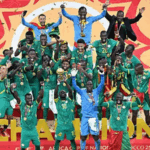
Sunday’s victory moment on the field captured all this in one frame. When the pressure peaked, Senegal did not splinter. Each player knew his role. Each trusted the other. When the decisive moment came, it was not drama. It was execution. Calm execution under national pressure is the rarest national skill. It is also the most valuable.
The final lesson is unity without uniformity. Senegal’s squad was diverse in background, club affiliation, and personality. Yet none of that mattered once the jersey went on. The nation came first. Ghana’s greatest obstacle to development is not lack of ideas or resources. It is our inability to suspend personal, ethnic, political, and institutional rivalries long enough to move together.
Mindset Transformation is not a slogan. It is a discipline. Senegal demonstrated it publicly, under lights, before the world. They chose humility over noise, patience over panic, structure over sentiment, and unity over ego.
If Ghana is serious about development, the lesson is simple. We must learn to play the long game together. Until then, talent will keep visiting us, but victory will keep passing us by.
About the Author