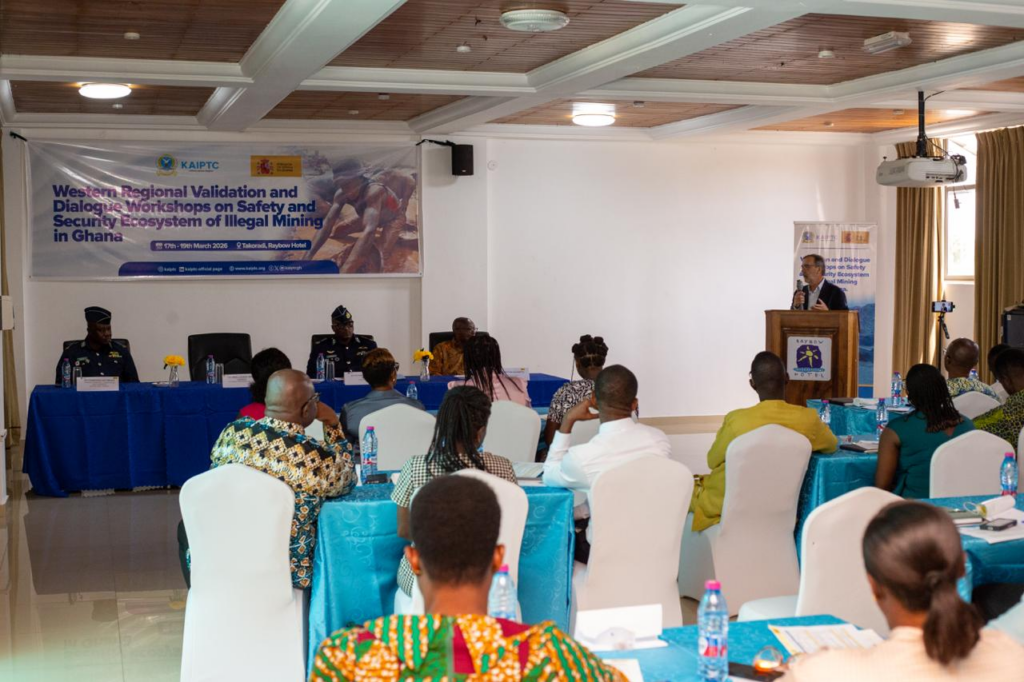
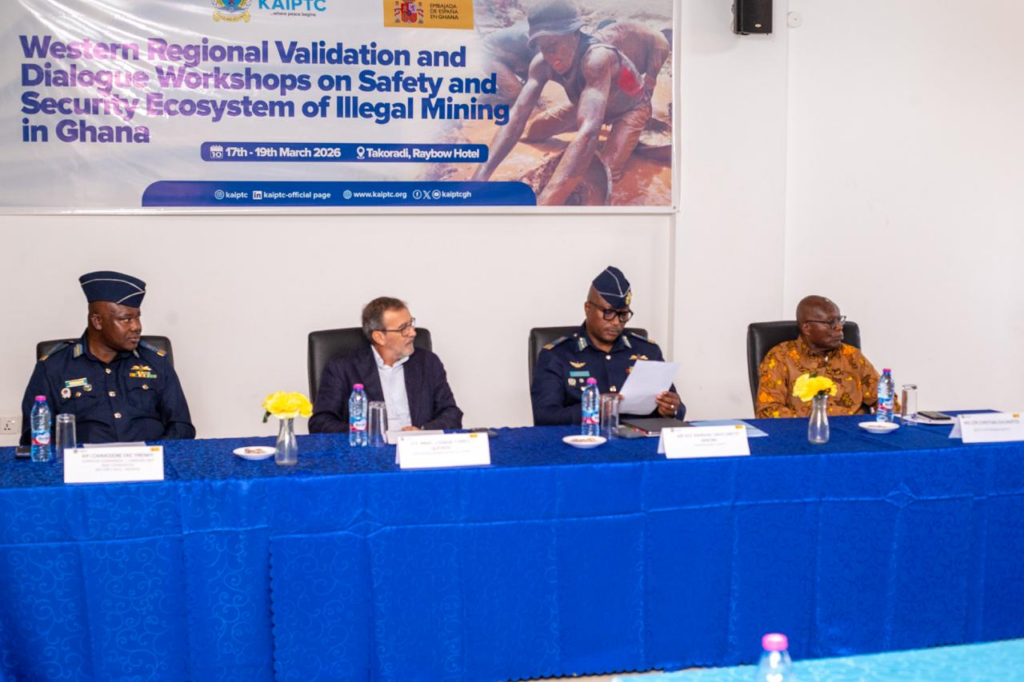
The Western Regional Minister, Joseph Nelson, has outlined the scale and complexity of illegal mining, locally known as galamsey, emphasising the strong economic incentives that fuel the activity during the Western Regional Validation and Dialogue Workshop on the Safety and Security Ecosystem of Illegal Mining.
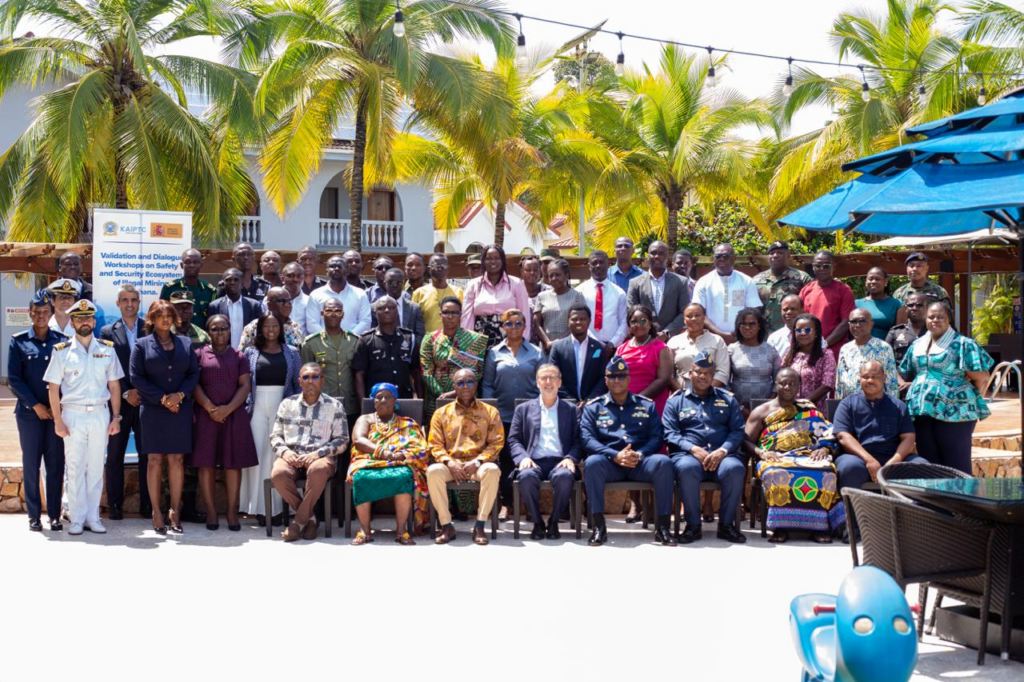
The workshop, organised by the Kofi Annan International Peacekeeping Training Centre in collaboration with the Embassy of Spain in Accra, was held on Tuesday, March 18, at the Raybow International Hotel in Sekondi-Takoradi.
Minister Nelson noted that galamsey is pervasive across most districts in the Western Region, including Amenfi Central, Amenfi West, Amenfi East, Tarkwa Nsuayem, and Prestea Huni Valley.
“All the districts and municipalities shown to us as areas where these activities occur are true and real,” he said.
The Minister stressed that the economic benefits of galamsey are a significant factor in its persistence.
“Communities are ready to protect galamseys because they have a stake in it,” he explained, noting that local women provide meals for miners and that youths often abandon alternative employment, such as plantation work, for the higher daily earnings offered by illegal mining.
He cited the example of plantations, including Ghana Rubber Estate and Norpalm, which struggle to attract labour because many workers are drawn to gold mining, despite available jobs in rubber tapping and timber operations.
Mr. Nelson emphasised that offering alternatives alone is not sufficient. “You can train youth in other sectors, but unless they are truly committed, they will quickly return to mining because of the higher income it provides,” he said.
He urged stakeholders to design livelihood programmes that are genuinely attractive to those involved in galamsey, rather than merely symbolic.
Highlighting his proactive approach, Minister Nelson recounted personal visits to galamsey sites, including a canoe trip along the Ankobra River.
“Without seeing it, sitting in the office, you cannot imagine what happens on the river. There are platforms with machines extracting the riverbed itself,” he explained.
The Minister described how the pollution affects both the environment and local communities, with people continuing to fish and even consume water from heavily contaminated sections of the river.
Over time, he noted, operations led by his office, the Regional Security Council (REGSEC), and regional security personnel have removed illegal mining equipment downstream up to Prestea.
However, upstream sections of the river remain difficult to monitor due to siltation and navigation challenges, limiting the ability to fully assess and respond to ongoing illegal activity.
Mr. Nelson stressed the need for a coordinated, multi-faceted response to illegal mining.
“While we have made progress downstream, upstream monitoring remains a challenge. Effective solutions require both enforcement and viable alternatives for affected communities,” he said.
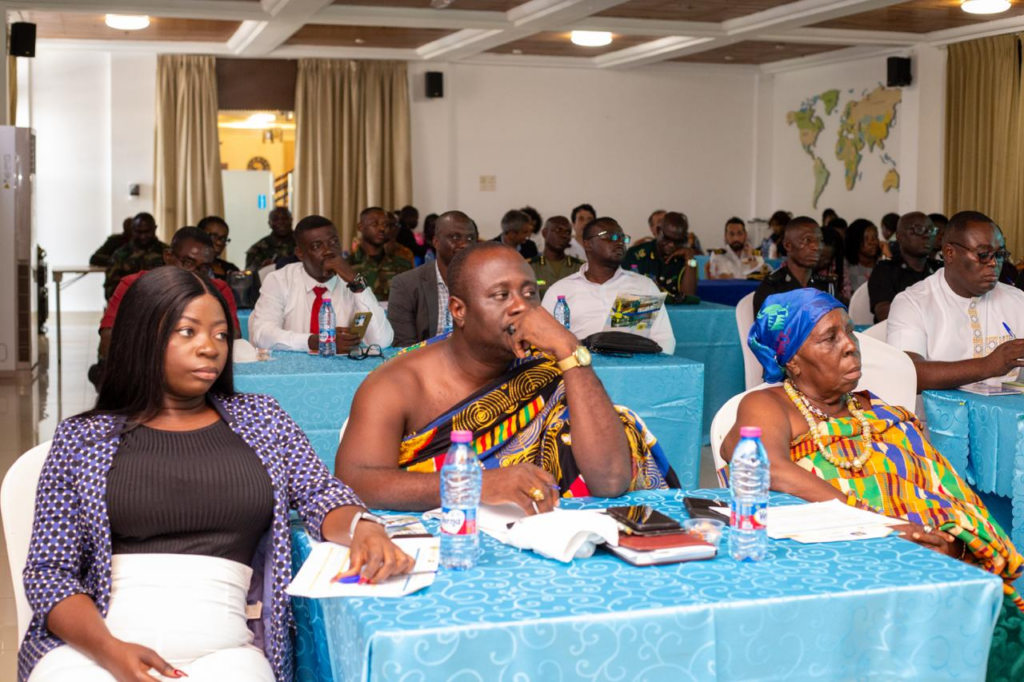
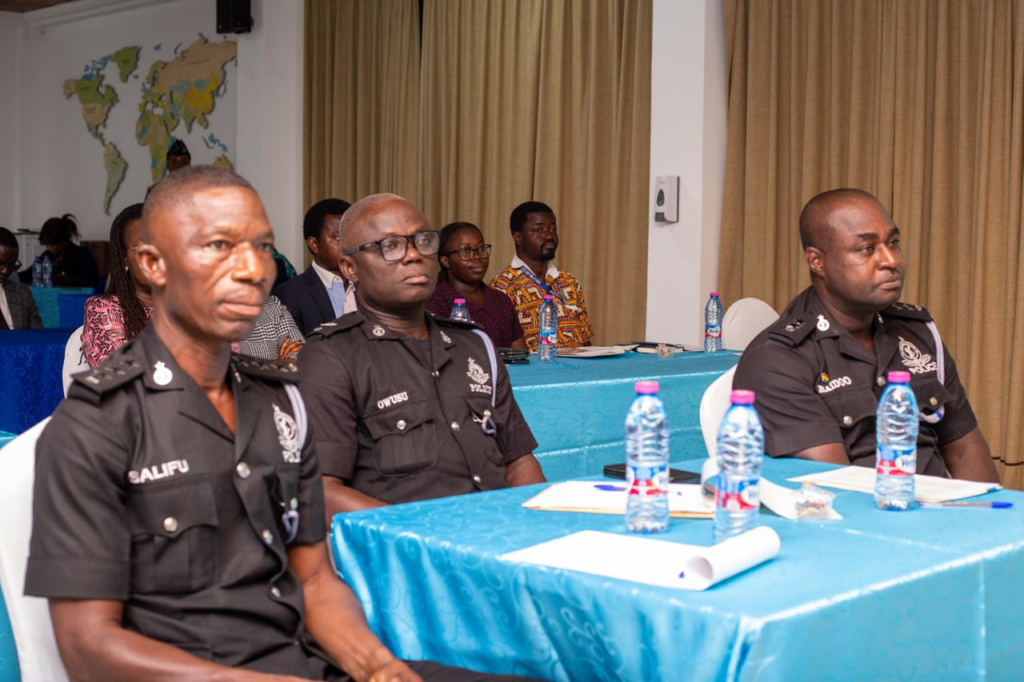
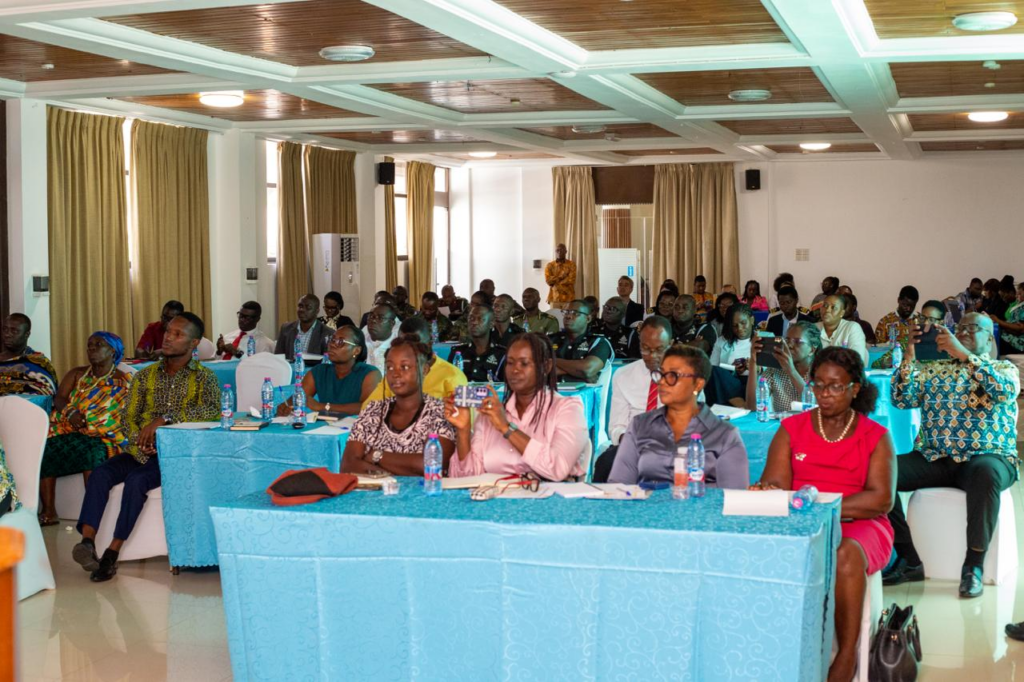
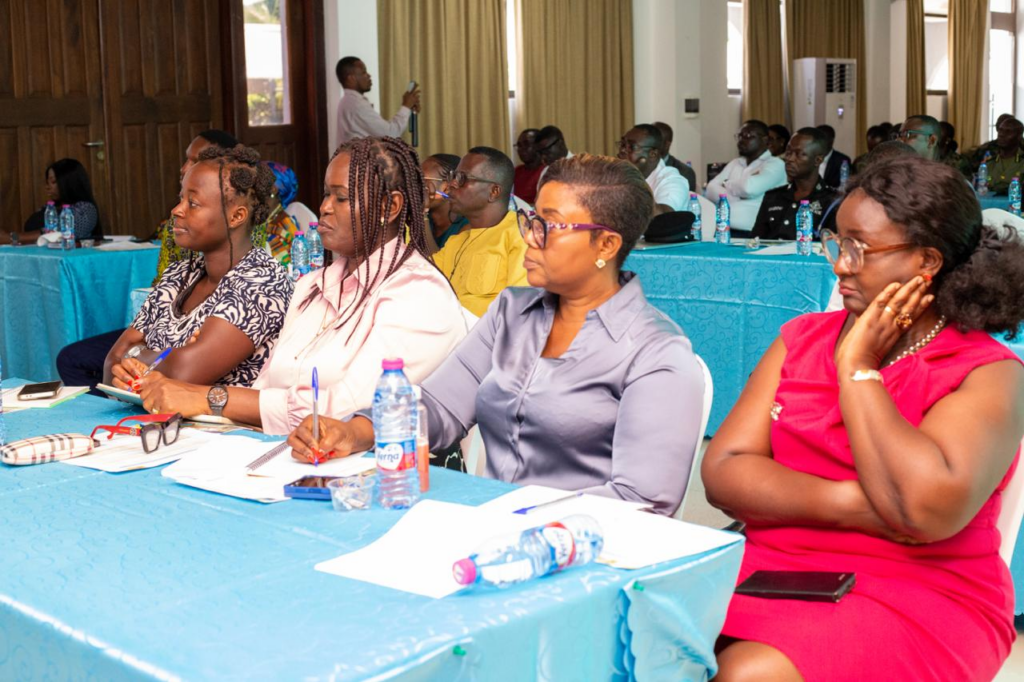
The workshop brought together traditional leaders, security personnel, regulators, civil society actors, and other stakeholders to validate research findings and discuss actionable strategies for addressing the environmental, social, and security impacts of illegal mining.
About the Author