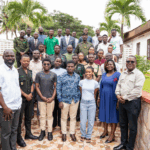
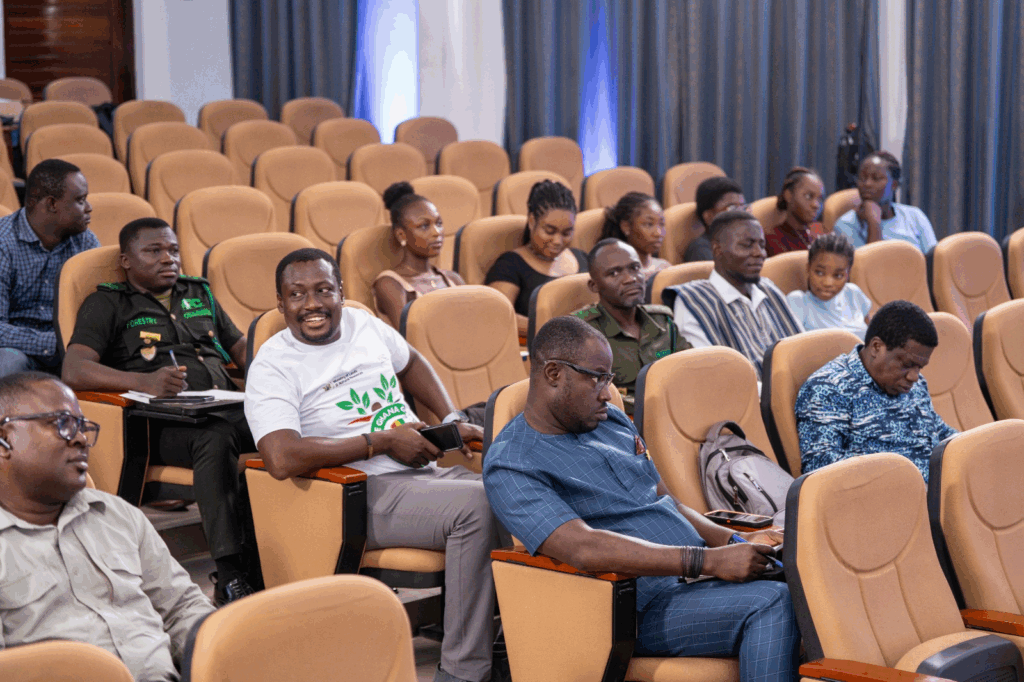
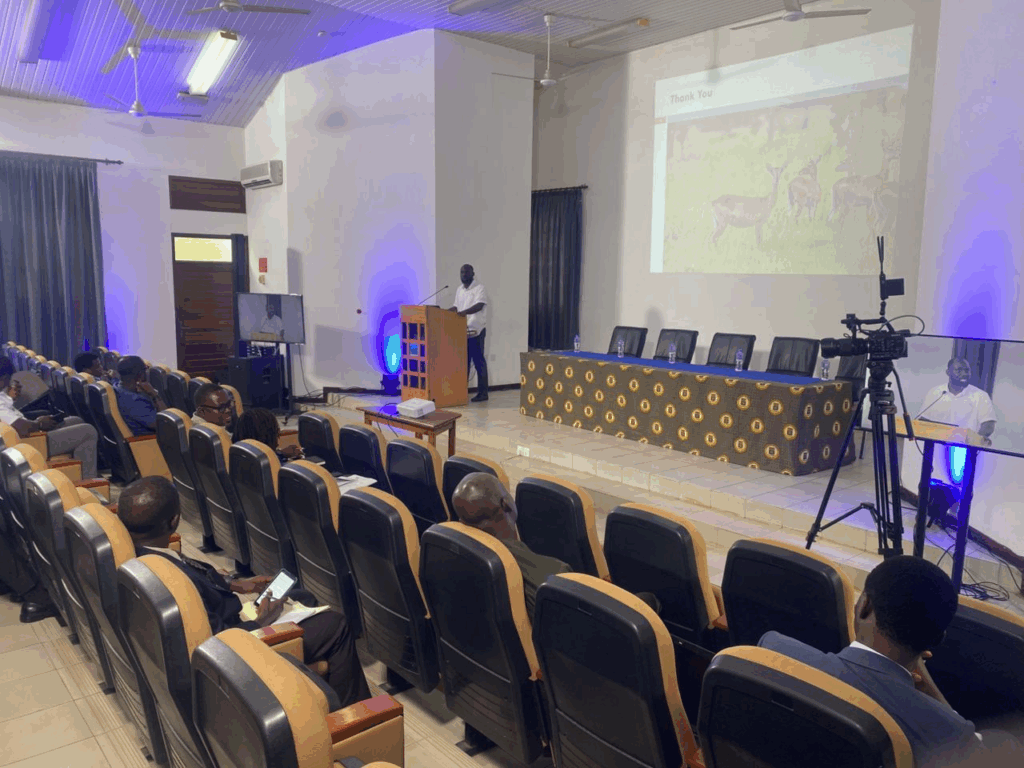
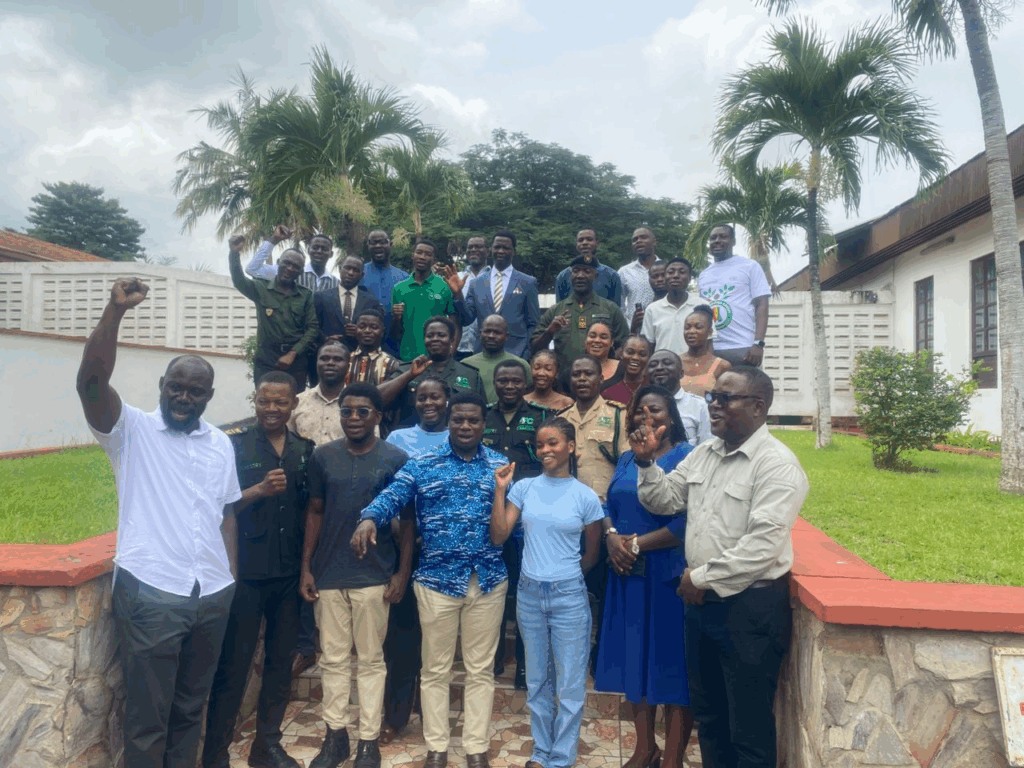
The University of Ghana, Legon, played host to a two-day regional workshop from Thursday, 27th November to Friday, 28th November, under the theme “Sharing Lessons and Best Practices in Biodiversity Monitoring for Protected Area Management in West Africa.”
The event, organised by the Centre for Biodiversity Conservation Research (CBCR), brought together park managers, academics, government representatives, NGOs, and regional conservation experts to discuss strategies for improving biodiversity monitoring across West Africa.
The workshop featured a series of presentations highlighting the successes and challenges of biodiversity monitoring projects in the region.
Among the key highlights was CBCR’s four-year collaborative project with the IUCN Species Survival Commission’s Species Monitoring Specialist Group (SMSG), titled “Expanding the Use of Innovative New Technologies to Enhance Protected Area Management in Ghana.”
The initiative introduced modern tools, including camera traps, and strengthened capacity in the Ankasa/Nini Suhien Conservation Area and Digya National Park, improving the quality and accessibility of ecological data.
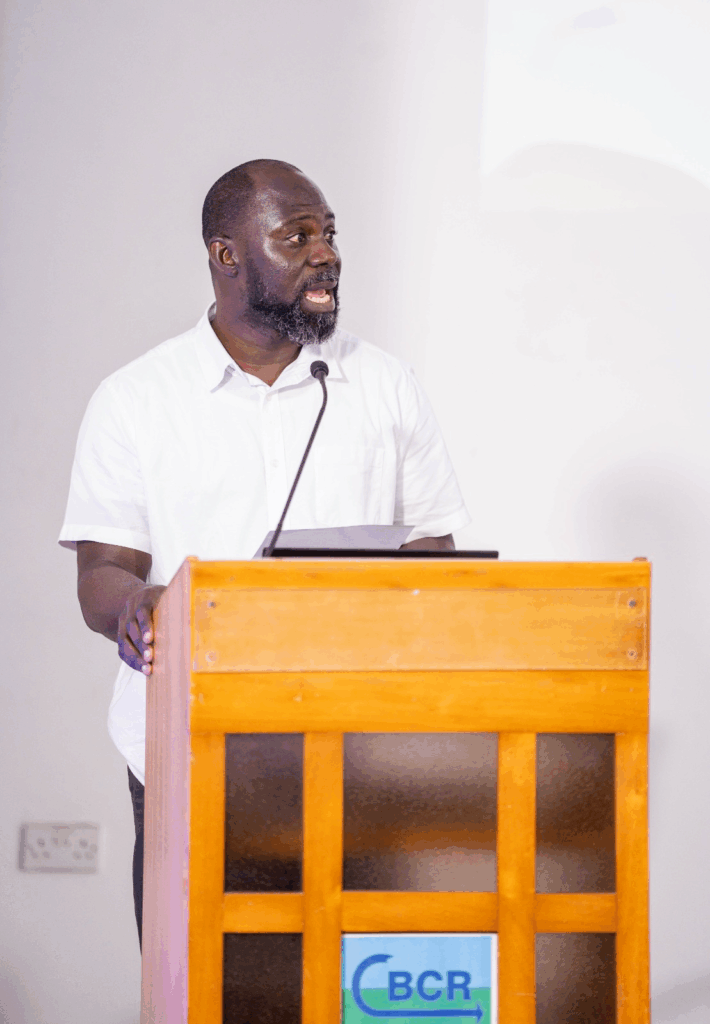
Speaking at the workshop, Kofi Amponsah Mensah, CBCR’s Director for Research, emphasised the importance of systematic data collection for evidence-based decision-making in protected areas.
“Many parks do collect data, but often the systems are neither systematic nor repeatable. In some cases, there are no models at all. This project was designed to test monitoring approaches that can improve data availability and inform management decisions,” Mr Mensah explained.
The workshop extended beyond national boundaries, with representatives from Liberia, Nigeria, and Sierra Leone sharing experiences and approaches.
Mr Mensah noted that many of the challenges in biodiversity monitoring such as funding shortages, lack of technical capacity, and limited equipment are shared across the sub-region.
“By collaborating at a regional level, we can learn from each other, draw on similarities, and work together to improve biodiversity monitoring not just within our countries, but across West Africa,” he said.
The event also highlighted the critical role of non-governmental organisations (NGOs) in conservation efforts.
Mr Mensah stressed that NGOs are essential for conducting scientific research, leading community-based initiatives, and bridging the gap between local communities and biodiversity management.
“Much of the research and many community-led projects are led or supported by NGOs. Ensuring systems exist to support their work is vital for long-term conservation,” he added.
While recognising the capacity and commitment of protected area staff, Mr Mensah called for stronger governmental support, including enhanced funding, legal frameworks, and resources to address wildlife-related crimes.
He also urged educational initiatives to reconnect young people with nature, noting a worrying decline in outdoor engagement among children.
“Children today are increasingly disconnected from the natural world. Encouraging students to engage with nature is essential to fostering the next generation of conservationists,” he observed.