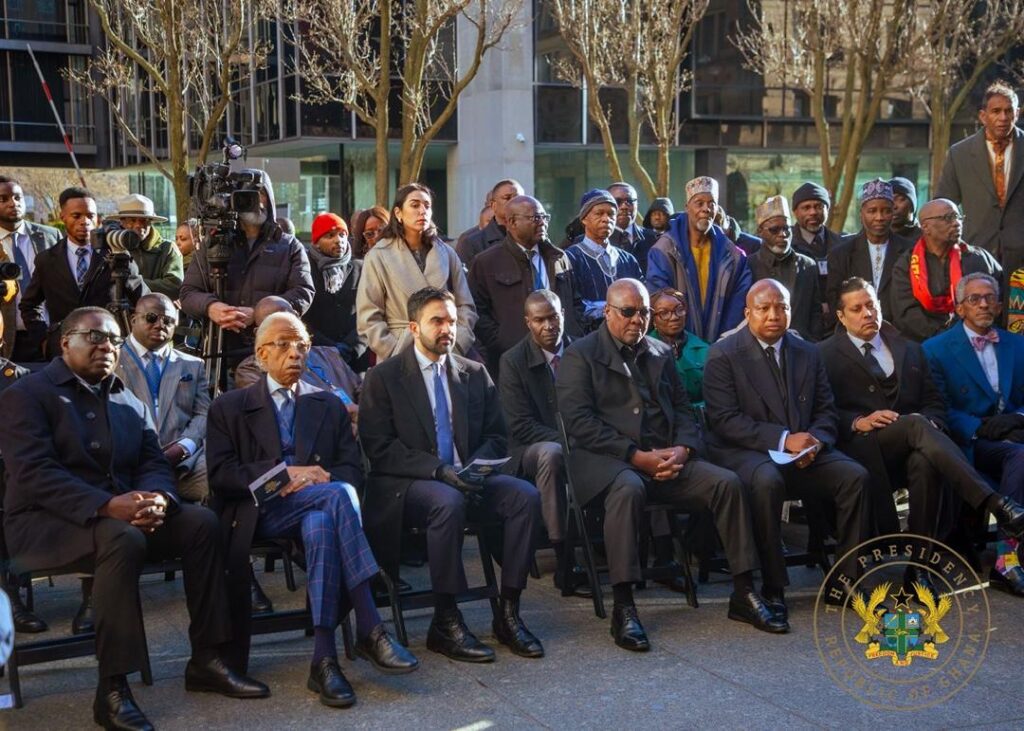
Two basic schools in the Eastern Region have received improved water, sanitation, and hygiene (WASH) facilities from The Hunger Project–Ghana.
The facilities were handed over to the schools on World Water Day 2026, themed “Water and Gender.”
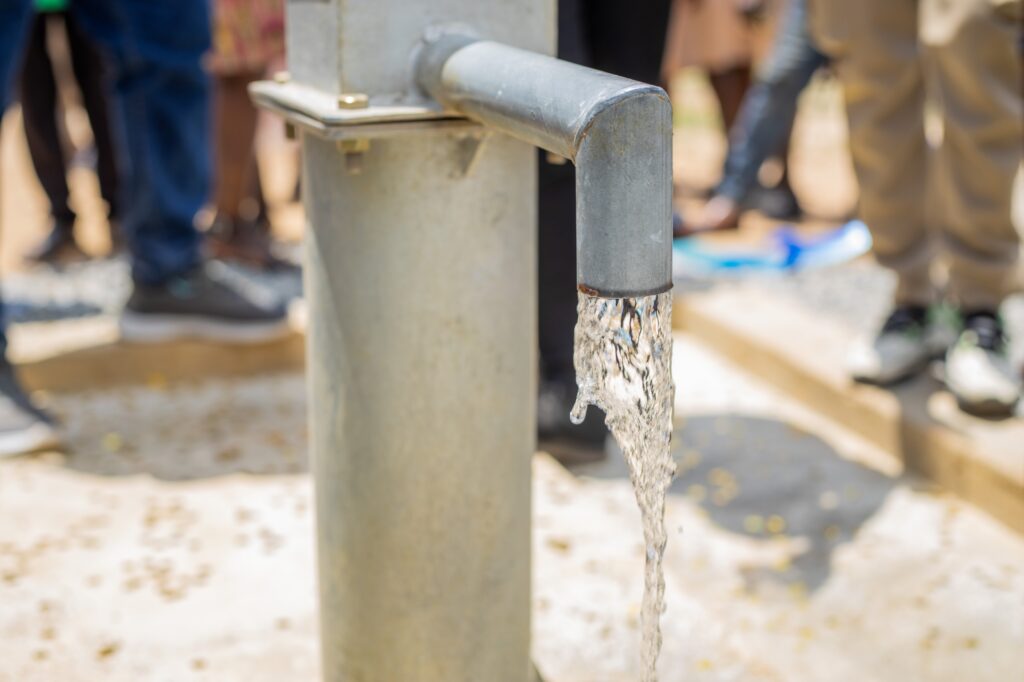
Osoroase R/C Basic School in the Atiwa East District received a borehole and an institutional latrine facility to improve access to clean water and sanitation.
The borehole is expected to provide a reliable source of water on campus, while the sanitation facility will also support girls in managing menstrual hygiene safely and privately, helping to reduce absenteeism.
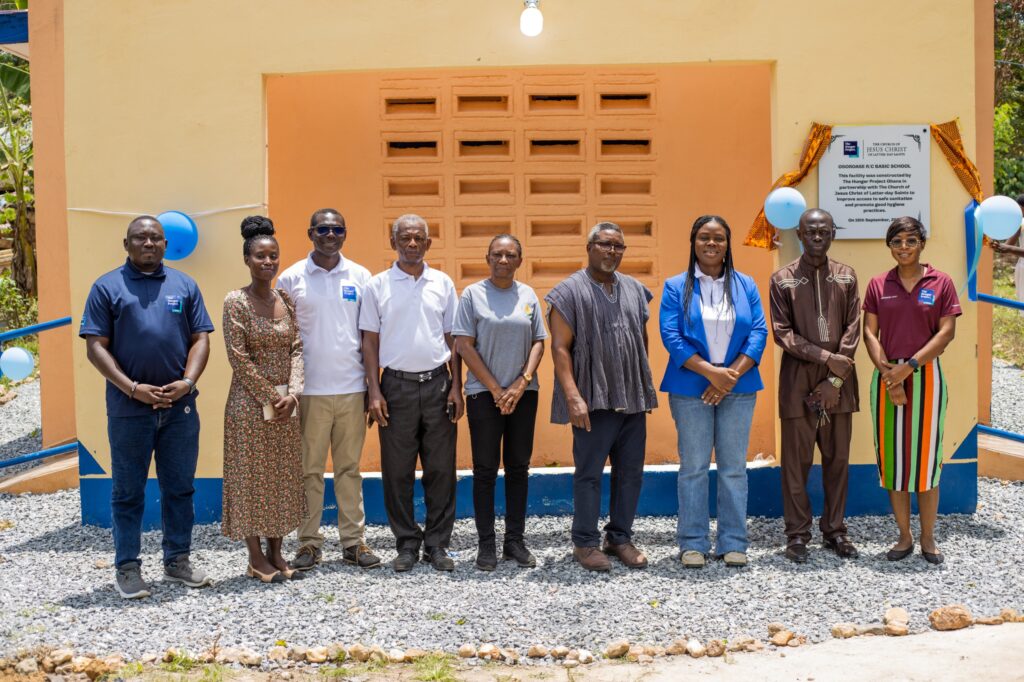
Similarly, at Pechi M/A Basic School in Atwemamena in the Abuakwa South Municipality, an institutional latrine facility was installed for both male and female students.
Speaking at the handover ceremony, Esther Fiscian, Partnerships and Resource Mobilisation Manager at The Hunger Project–Ghana, underscored the importance of safe water and sanitation in promoting the wellbeing of women and girls.
“Women and girls pay a high price in their livelihoods and education when they have to rely on unsafe toilets and spend hours each day retrieving water from sources that are miles away,” she said.
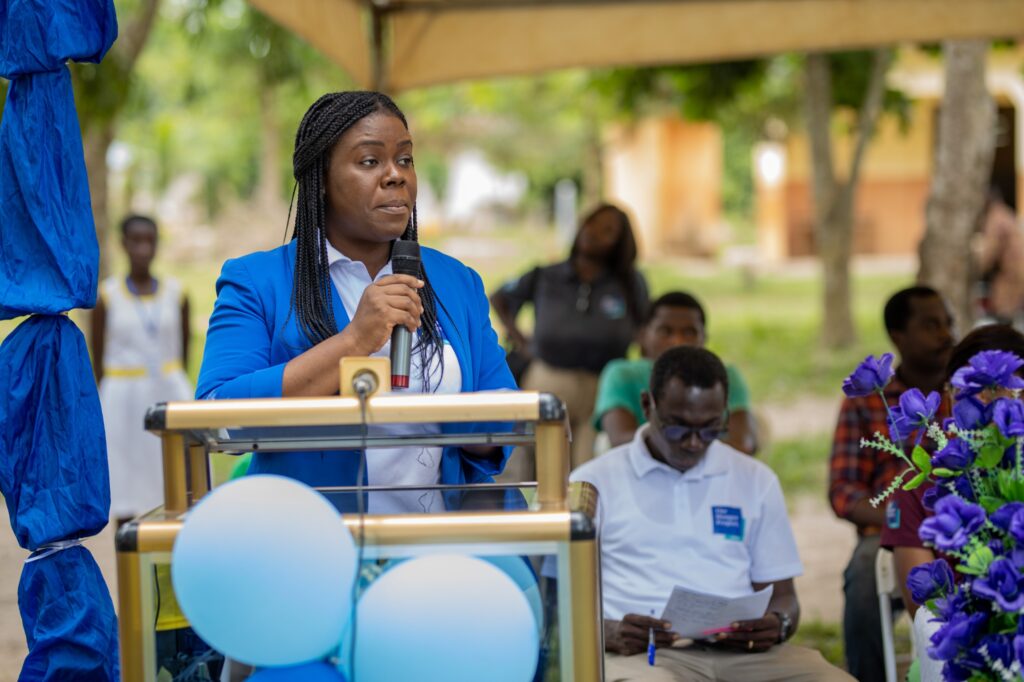
Madam Fiscian called on the Ghana Education Service to strengthen water and sanitation systems in schools.
The Hunger Project–Ghana continues to implement WASH interventions in schools and communities, including the provision of handwashing stations and training for teachers on menstrual hygiene management.
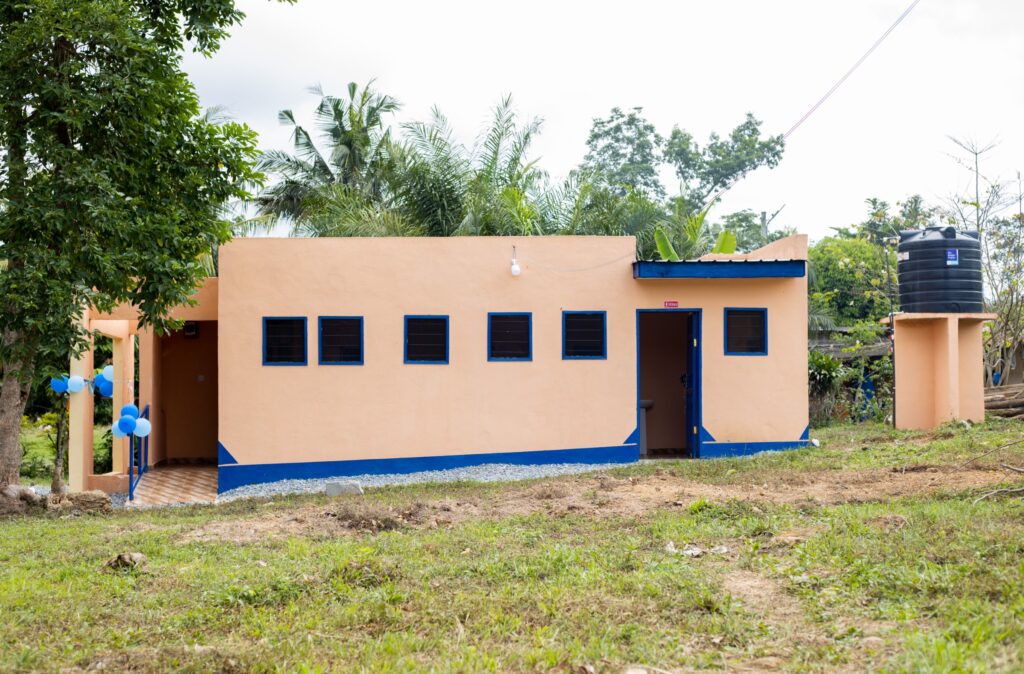
The commissioning ceremonies were attended by representatives from the Ghana Health Service, the Ghana Education Service, local government authorities, school leadership, and community members.
In Abuakwa South, the Municipal Chief Executive, Nana Adu Sarpong Addo-Aikins Annoh, commended the organisation’s long-standing partnership with the municipality and reaffirmed its commitment to ensuring safe and reliable water and sanitation in schools.
About the Author