
Plan International Ghana is intensifying efforts to strengthen women’s rights movements nationwide as part of a broader strategy to influence legal and policy reforms aimed at advancing gender equality.
Through its Renewed Women’s Voice and Leadership Ghana (RWVLG) initiative, the organisation is providing sustained institutional and financial support to women-led organisations, feminist networks and women human rights defenders to enhance their capacity to advocate structural change.
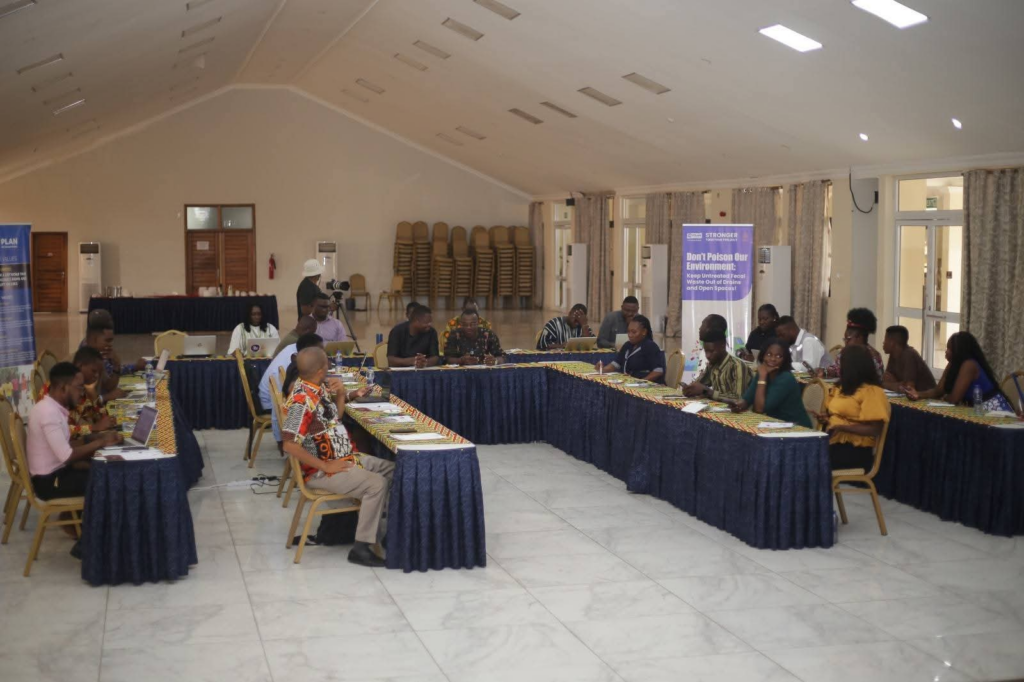
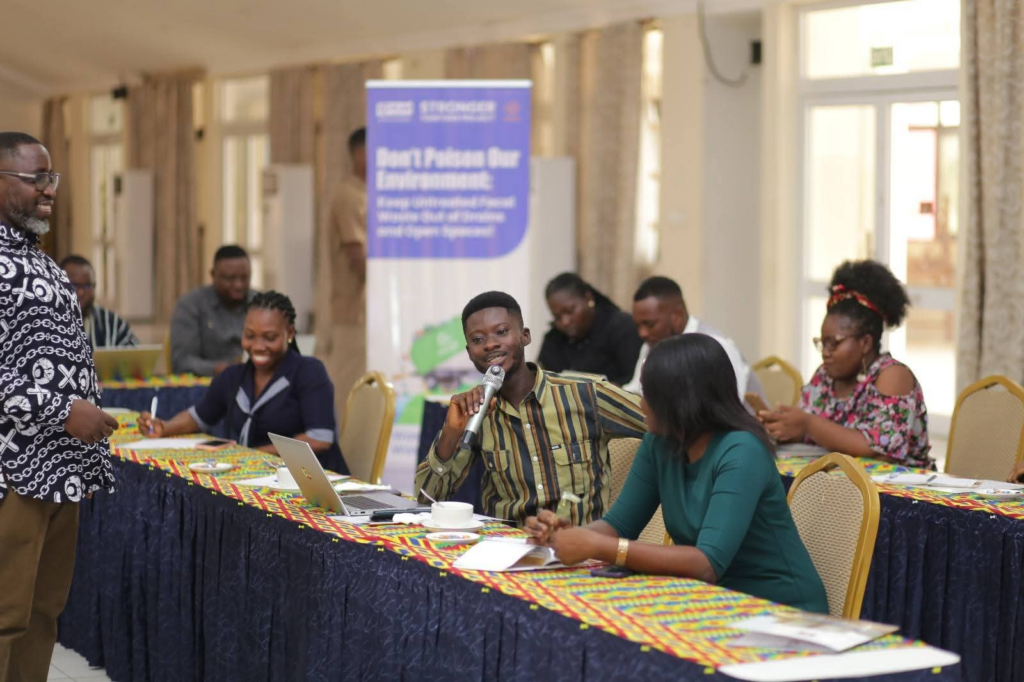
Speaking at a media engagement workshop themed “Journalism with Purpose: Reporting Responsibly on Children, Gender Equality and Vulnerable Communities,” Theodora Asare of Plan International Ghana underscored the critical role women’s rights movements have played in shaping Ghana’s legislative landscape.
She noted that several landmark reforms were achieved through sustained advocacy by organised women’s groups and civil society coalitions. These include the passage of the Domestic Violence Act, Ghana’s ratification of the Maputo Protocol, and the recent enactment of the Affirmative Action (Gender Equity) Act.
According to her, these milestones demonstrate that women’s movements are not peripheral actors but central drivers of national development and democratic accountability.
“Legal reforms do not happen in isolation,” she stated. “They are the result of coordinated advocacy, evidence-based engagement and sustained pressure from organised women’s groups committed to protecting and advancing the rights of women and girls.”
The RWVLG initiative, supported by Global Affairs Canada, provides multi-year core funding to women’s rights organisations across Ghana’s 16 regions. The programme focuses on strengthening institutional capacity, enhancing advocacy strategies and supporting inclusive movements that prioritise young women, women with disabilities and grassroots activists.
Beyond funding, the initiative seeks to reinforce national feminist networks, including the Network for Women’s Rights in Ghana (NETRIGHT), to ensure coordinated and sustained policy engagement at both local and national levels.
Ms Asare emphasised the importance of the media in advancing gender equality, noting that journalists play a crucial role in shaping public discourse, raising awareness of gender-based issues and holding institutions accountable.
She urged media practitioners to adopt gender-sensitive reporting approaches that highlight systemic inequalities while amplifying the voices of affected communities.
While acknowledging progress made over the years, she pointed out that entrenched social norms, economic disparities and underrepresentation in decision-making structures continue to hinder women’s full participation in national development.
Plan International Ghana, she explained, remains committed to ensuring that women’s rights organisations are not only visible but adequately resourced and strategically positioned to influence governance processes.
The organisation maintains that sustainable national development cannot be achieved without deliberate investment in women’s leadership and institutional power.
As Ghana continues to pursue inclusive growth and democratic consolidation, strengthening women’s movements remains essential to securing lasting legal and policy transformation, she added.
About the Author
