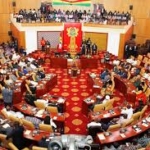
Members of Parliament (MPs) on Thursday, December 11, expressed strong dissatisfaction with the GHS 1.6 billion budget estimates allocated to Parliament and the Parliamentary Service of Ghana for the fiscal year ending December 31, 2026.
The initial proposal of GH¢4.6 billion was reduced to just 35 per cent, sparking concerns among legislators about Parliament’s ability to function effectively under the revised allocation.
Contributing to the debate, Kojo Oppong Nkrumah, the Ofoase Ayirebi MP, urged that the limited funds be prioritised to address pressing needs of the Legislature.
He cited malfunctioning air conditioners in MPs’ offices and broken elevators, describing the state of the parliamentary building (Job 600) as becoming “useless.”
He further suggested that the national tax be benchmarked to guarantee a fixed percentage of revenue for Parliament, thereby ensuring efficiency.
Mr Haruna Iddrisu, the MP for Tamale South, said it was worrying that while Parliament approved budgets for ministries and exercised oversight over ministries, departments and agencies (MDAs), its own allocation remained inadequate.
He called for the establishment of a Budget Responsibility Office to ensure the prudent utilisation of parliamentary funds.
Lawmakers from both the Majority and Minority Caucuses expressed disappointment with the allocation, stressing that the Finance Minister and his deputy are members of the House and should have prioritised Parliament’s needs.
They appealed to the government to consider setting up a medical centre and an eatery within the precincts of Parliament to cater for the health and welfare needs of members in the future.
However, Mr Thomas Nyarko Ampem, the Deputy Minister of Finance, responding to the MPs’ concerns, said that all budget allocations for the various sectors were based on available funds and not a deliberate attempt to deny Parliament funds.
He indicated that the capital expenditure for Parliament had been increased from GH¢80 million in 2025 to GH¢300 million in the 2026 Budget.
At the end of the debate, Parliament approved GH¢1.6 billion for the Legislature.
About the Author