
The Minority in Parliament has called for a bipartisan parliamentary ad-hoc investigation into the reported $214 million loss incurred by the Bank of Ghana (BoG) under the Gold-for-Reserves programme, warning that the matter raises serious concerns about accountability, transparency, and environmental governance.
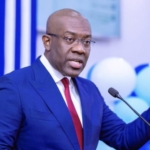
Addressing journalists in Accra on Monday, December 29, Ofoase Ayirebi MP, Kojo Oppong Nkrumah, said the scale of the reported loss demands urgent and uncompromising scrutiny in the interest of the Ghanaian people.
According to the Minority, the Gold-for-Reserves initiative, which was introduced to shore up Ghana’s foreign reserves and stabilise the cedi, has instead become shrouded in opacity, with troubling questions surrounding pricing, intermediaries, and oversight.
Speaking on behalf of the caucus, Mr Oppong Nkrumah outlined a four-point set of demands, beginning with the establishment of a Parliamentary Ad-hoc Investigative Committee.
The proposed committee, he said, must be empowered to subpoena all contracts, licences, and intermediaries involved in the programme, including what the Minority described as the “Bawa-Rock monopoly.”
The Minority is also demanding full national disclosure, insisting that both the Bank of Ghana and GoldBod publish all relevant details relating to the programme. These include fee structures, pricing formulas, aggregator selection criteria, and foreign-exchange arrangements linked to the gold purchases.
On environmental concerns, the caucus called for emergency measures, including the suspension of mining permits in forest reserves and the introduction of blockchain-based, mine-level traceability systems for all gold purchases under the scheme.
The Minority further insisted on accountability “without fear or favour,” demanding that the Governor of the Bank of Ghana and the Chief Executive Officer of GoldBod appear before the proposed committee and submit to unhindered investigations.
“Where negligence or corruption is established, criminal prosecutions must follow, and all recoverable funds must be clawed back,” he stressed.
Framing the issue as a national, rather than partisan, concern, the Minority said the controversy strikes at the heart of Ghana’s stewardship of its natural resources.
“This crisis transcends politics,” the caucus declared. “It is about whether Ghana still has guardians or only spectators.”
In a broad appeal to traditional leaders, faith-based organisations, traders, students, labour unions, civil society, academia, and the diaspora, the Minority urged citizens to speak out in defence of the country’s patrimony.
“Gold may glitter, but truth endures,” he said, warning that silence in the face of alleged mismanagement would amount to collective failure.
“May history record that when our gold was taken, our rivers poisoned, and our future mortgaged, we all stood up.”
The Minority further urged Ghanaians to demand accountability, describing the moment as “not a time for spectators, but a moment for citizens.”
About the Author
