
The Minister of Local Government, Chieftaincy and Religious Affairs (MLGCRA), Ahmed Ibrahim, has described the recent merger of different ministries into a single entity under his belt as one of the most strategic public sector reforms undertaken by the government in recent times.
According to him, the decision, introduced under President John Dramani Mahama’s Reset Agenda, reflects a clear vision to enhance coordination, eliminate administrative overlaps, and strengthen integration between traditional leadership, religious institutions, and modern local governance systems.
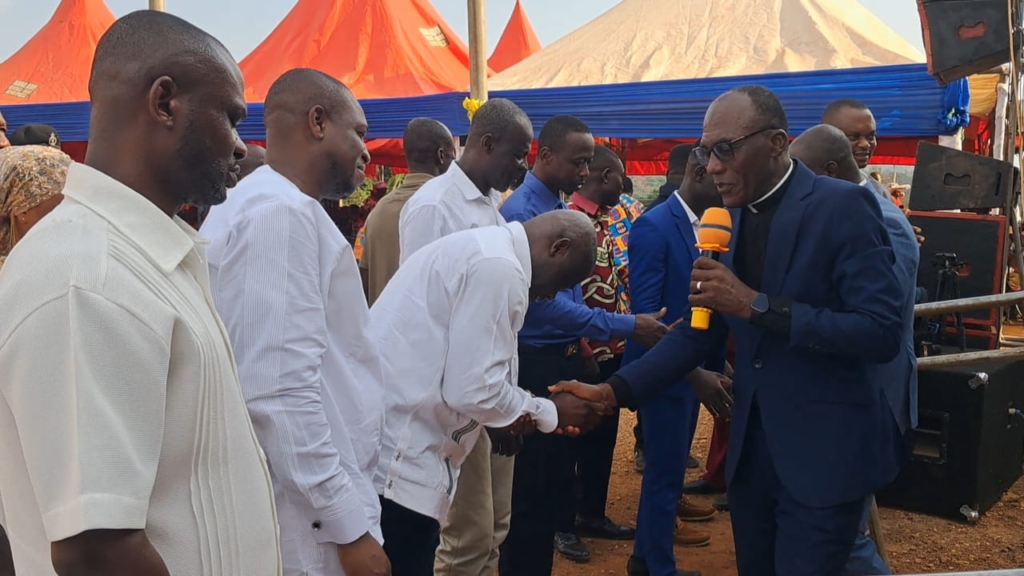
Speaking at the annual closing and New Year procession of the Goka Pentecost Prayer Camp in the Jaman North District of the Bono Region, the minister said sustainable local development cannot be achieved without the active involvement of traditional authorities and religious leaders.
He noted that religious leaders often serve as the first point of contact for conflict resolution, community mobilisation, and the preservation of peace and unity, describing them as custodians of the nation’s values, culture, and moral conscience.
“The merger seeks to harmonise the efforts of traditional, religious, and administrative authorities responsible for planning, service delivery, and implementation in order to advance sustainable local development,” Mr Ibrahim said.

He explained that the integration ensures policies relating to chieftaincy, land administration, faith-based engagement, and community development are implemented in a coherent, inclusive, and collaborative manner.
“This is not merely a bureaucratic realignment,” the minister stressed, “but a transformational reform that deepens synergy between indigenous governance, faith-based leadership, and democratic institutions, ensuring that traditional authority and religious leadership remain active and integral partners in Ghana’s national development agenda.”
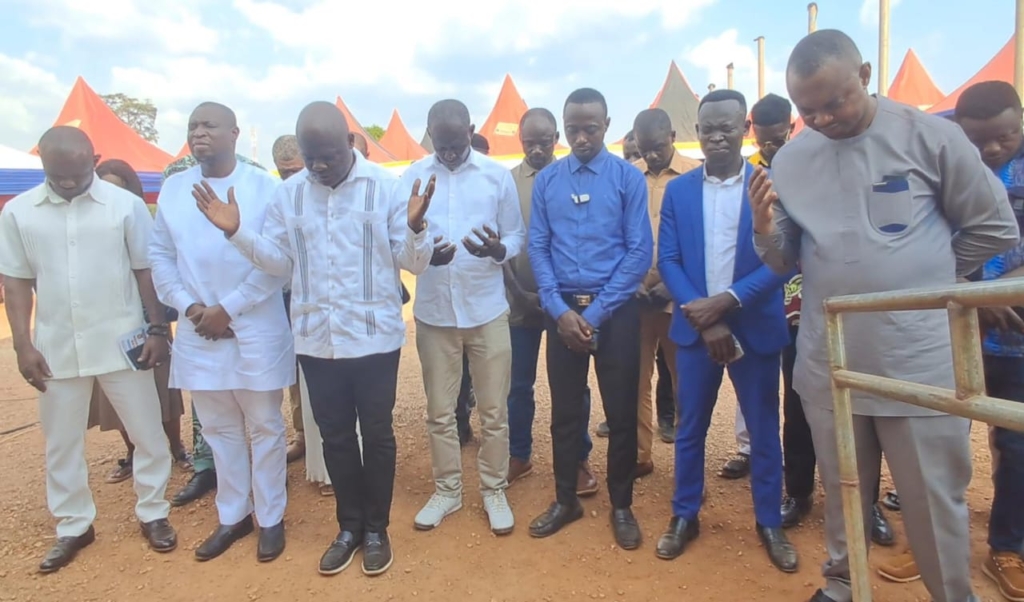
The Goka Pentecost Prayer Camp procession, established in 1972 by the late Sarah Donkor, popularly known as Maame Sarah, attracts thousands of worshippers from across Ghana and beyond each year.
Participants gather to proclaim victory, seek divine guidance and protection, and commit personal and national burdens to God as they usher in the New Year.
Mr Ibrahim reminded the gathering of the central role of prayer, faith, and moral discipline in national life, describing the event as an opportunity to reflect on issues of national importance.

“I wish to affirm that the government recognises and deeply values the immense contribution of religious institutions to national development,” he said. “Beyond spiritual nourishment, churches and faith-based organisations promote peace, social cohesion, volunteerism, discipline, and responsible citizenship.”
He appealed to the congregation to continue working with government to find lasting solutions to conflicts within communities, assuring them of government’s commitment to promoting peace and stability within the chieftaincy institution and across faith communities.
“Together, we can preserve peace, protect lives and property, and safeguard the social harmony that defines our nation,” he added.
The minister also used the occasion to brief the leadership of the prayer camp on the re-launched National Sanitation Day initiative, aimed at instilling a culture of cleanliness and civic responsibility among citizens while raising nationwide awareness on environmental sanitation and hygiene.
He expressed concern over the growing filth in cities and towns and urged citizens to confront the challenge collectively.
Mr Ibrahim disclosed that the ministry, in collaboration with Regional Coordinating Councils and Metropolitan, Municipal and District Assemblies (MMDAs), is reviewing the implementation framework of the initiative to make it more sustainable and results-oriented.
“We will strengthen the role of religious leaders as community champions for sanitation, empowering you to mobilise residents, promote positive attitudes towards waste management, and support the enforcement of environmental by-laws,” he said.
He concluded by calling on all present to serve as catalysts for change promoting efficiency, transparency, discipline, and harmony among the ministry, traditional authorities, religious leaders, and local government institutions.
The Berekum Area Head of the Church of Pentecost, Apostle Robert Ando, told believers, during his sermon, that the Lord will continue to take care of His people, declaring that the Spirit of God has been released to bring transformation wherever they find themselves.
He said the strength of God must serve as the believer’s daily guide, stressing that when God is with a person and they are favoured by the Holy Spirit, stagnation becomes impossible.
About the Author
