
Journalists in Ghana are being urged to rethink how they report on children — particularly girls and other vulnerable groups — with renewed emphasis on ethics, protection and empowerment.
At a three-day workshop organised by Plan International Ghana, media practitioners were reminded that responsible reporting must do no harm, avoid sensationalism and amplify children’s voices as active agents of change rather than portray them as passive victims.
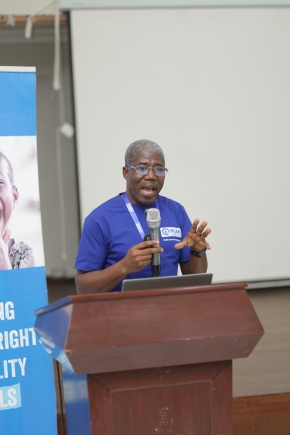
Eric Ayaba, Head of Programmes at Plan International Ghana, told participants that safeguarding truth and anonymity is just as critical as telling the story itself.
“Consent from a child is not just a formality — it is a right that can be withdrawn at any time. Ethical journalism respects this, ensuring that the child’s dignity and safety are never compromised,” he said.
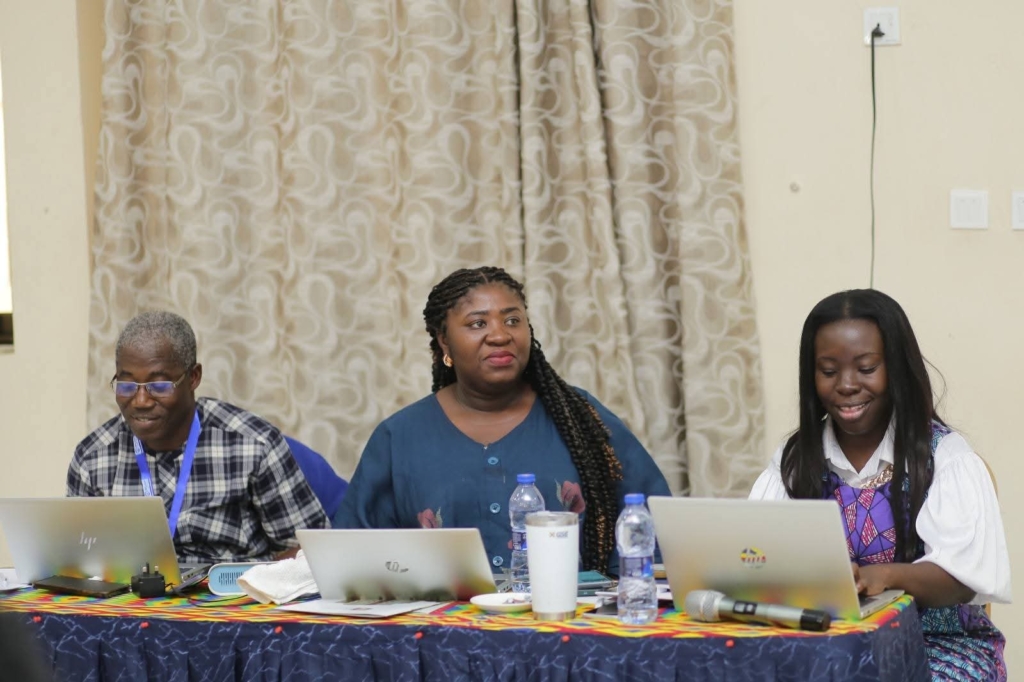
The workshop, which brought together journalists from Accra, Suhum and the Volta and Oti regions, provided practical training in child-centred and gender-sensitive reporting. Participants also gained insights into Plan International Ghana’s programmes and priorities, equipping them to produce impactful stories that reflect the lived realities of vulnerable communities.
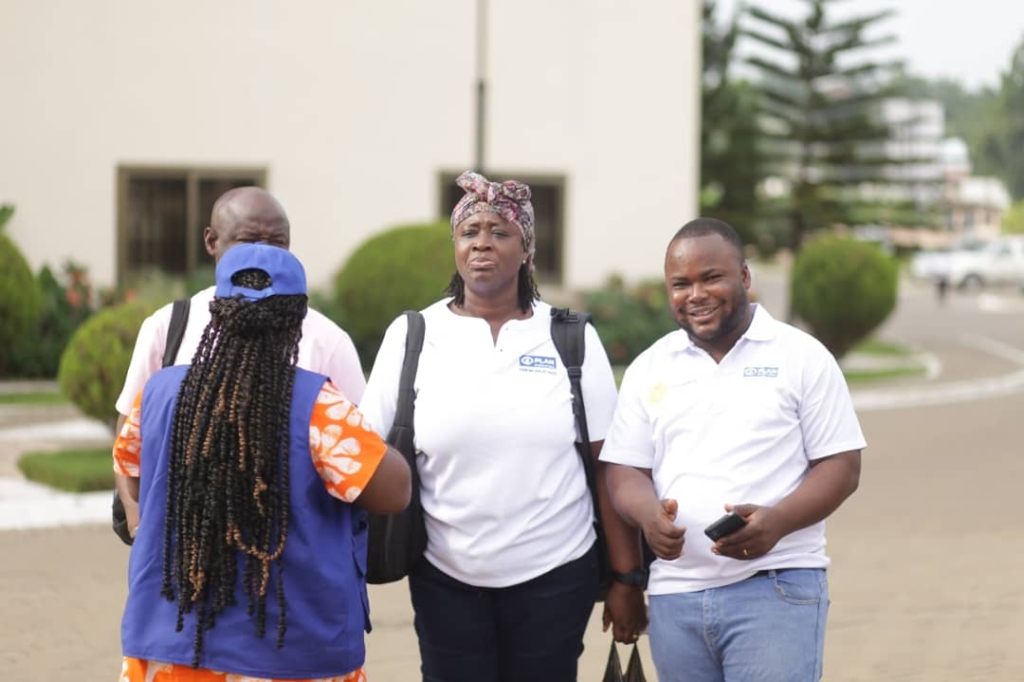
A field visit to two cocoa-growing communities reinforced the lessons, giving journalists the opportunity to engage directly with residents and develop story ideas grounded in real experiences.
Mr Ayaba cautioned reporters against victim-blaming and sensationalist narratives, warning that such approaches distort the truth and undermine meaningful change.
By the end of the training, participants left better equipped to produce stories that not only inform but also protect and empower children — positioning journalism as a tool for advocacy, justice and social impact.
About the Author
