The Ghana Private Sector Competitiveness Programme Phase II has injected about one million Ghana cedis into Ghana’s tree crops sector to support the Tree Crops Investment Summit and Exhibition, a move aimed at attracting new investment and unlocking growth opportunities across the value chain.
The support forms part of efforts to spotlight Ghana’s competitive advantages in key tree crops, including cashew, shea, mango, coconut, and rubber, commodities increasingly viewed as critical to job creation, export diversification, and industrial development.
The Tree Crops Investment Summit and Exhibition brought together investors, agribusinesses, processors, policymakers, and value chain actors to explore financing opportunities, market access, and strategies to enhance productivity and value addition.
In an interview, Team Lead for the Ghana Private Sector Competitiveness Programme Phase II, Juliana Karikari, explained that the intervention aligns with the programme’s broader mandate to strengthen private sector participation and unlock sustainable business opportunities.
“We are supporting the Tree Crop Development Authority to implement policies and regulate the sector effectively and also helping them to create awareness of the opportunities present in the sector,” she mentioned.
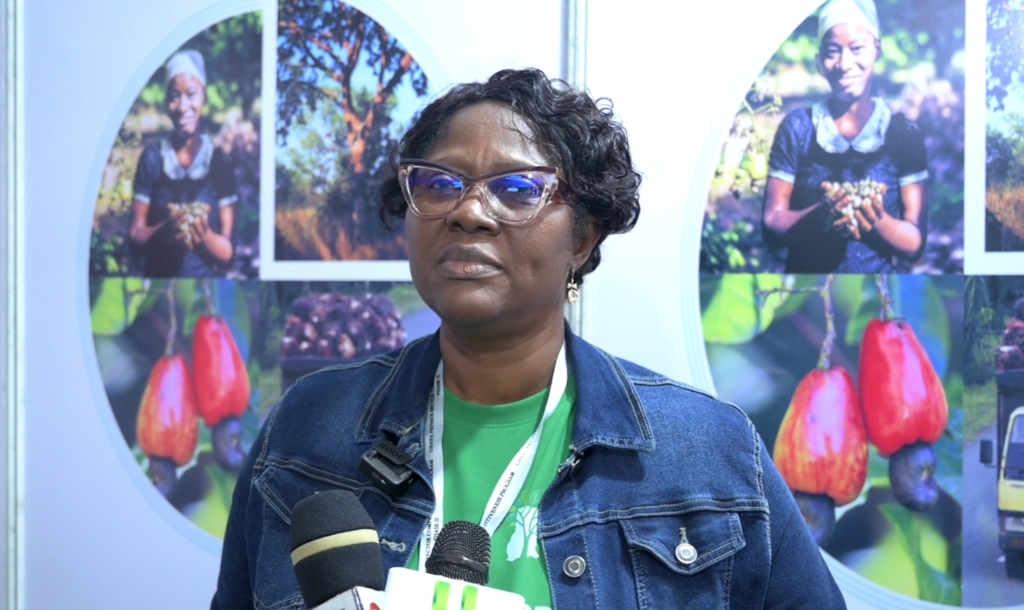
She noted that Ghana’s tree crops sector holds significant untapped potential capable of driving rural transformation and boosting non-traditional exports if supported with the right investment and policy environment.
Business Development Expert for the programme, Stephen Debre, emphasised that the partnership is designed to increase visibility for investment prospects within the tree crops value chain.
“We are supporting them with about one million cedis to be able to organise this forum and get everyone aware of the opportunities in marketing and processing,” he said.
According to him, many viable opportunities remain underexplored, particularly in processing, logistics, input supply, and export orientated production.
He stressed that attracting strategic investors could accelerate modernisation, improve yields, and enhance competitiveness in regional and international markets.
The Ghana Private Sector Competitiveness Programme Phase II’s support underscores growing collaboration between development partners and sector institutions aimed at accelerating economic diversification and strengthening agribusiness development.
About the Author