
Since 2005, the Gold Fields Ghana Foundation has been transforming lives in its host communities through the Scholarship Programme, a flagship initiative designed to advance education and build professional capacity among the youth of Tarkwa and Damang.
Over the past two decades, the scheme has supported 2,916 students with full scholarships and bursaries, covering educational expenses at various levels.
Initially catering for vocational, senior high school and tertiary students, the programme was restructured in 2017 to focus on university and other tertiary education following the introduction of the Government of Ghana’s Free Senior High School policy.
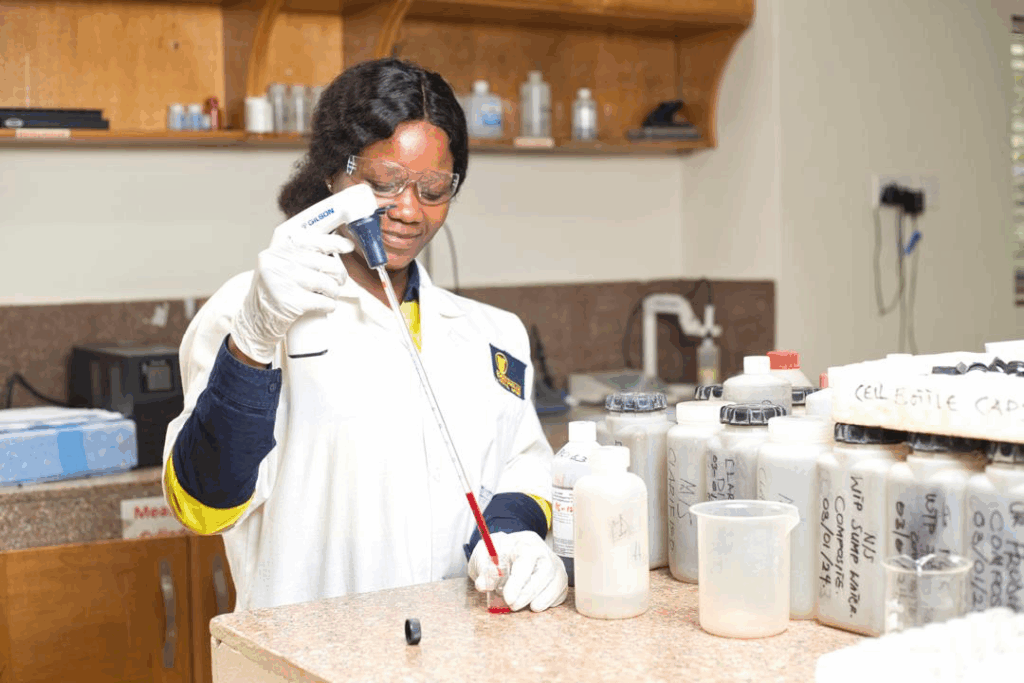
Eligibility is open to students from host communities who achieve an aggregate score of 12 or better in the West African Senior School Certificate Examination (WASSCE) and gain admission to accredited tertiary institutions in Ghana.
Importantly, the programme also extends financial support to persons with disabilities (PWDs), ensuring inclusivity across all levels of education.
The impact of the scholarship scheme is evident; by 2025, it had produced 159 health professionals and 501 engineers, contributing significantly to national development and strengthening the professional base of the host communities.
Beyond scholarships, the Foundation has invested heavily in training programmes tailored to local needs. These include Graduate Training, Mine Apprenticeship, Precision Welding, Heavy-Duty Equipment, and Community Youth Apprenticeship initiatives.
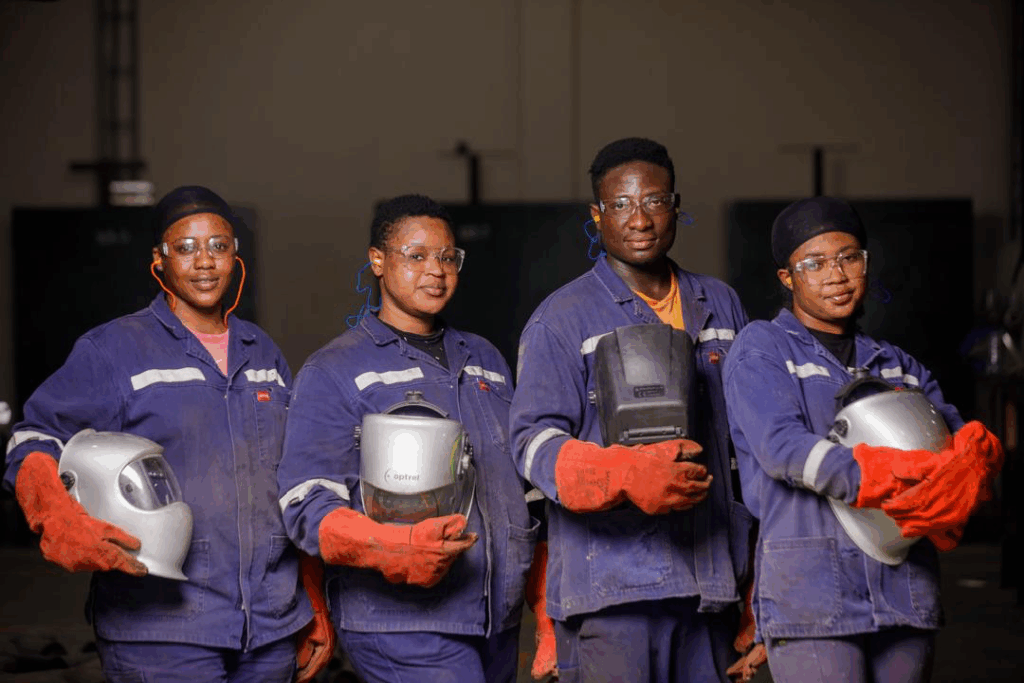
Together, they aim to enhance employability, stimulate entrepreneurship and promote self‑reliance among young people.
Launched in 2018, the Graduate Training Programme has become a cornerstone of Gold Fields’ skills development strategy.
Targeting tertiary graduates from host communities, the two‑year structured programme provides immersive, on‑the‑job training across key departments such as Mining, Engineering, Metallurgy, Finance, Human Resources and Community Relations.
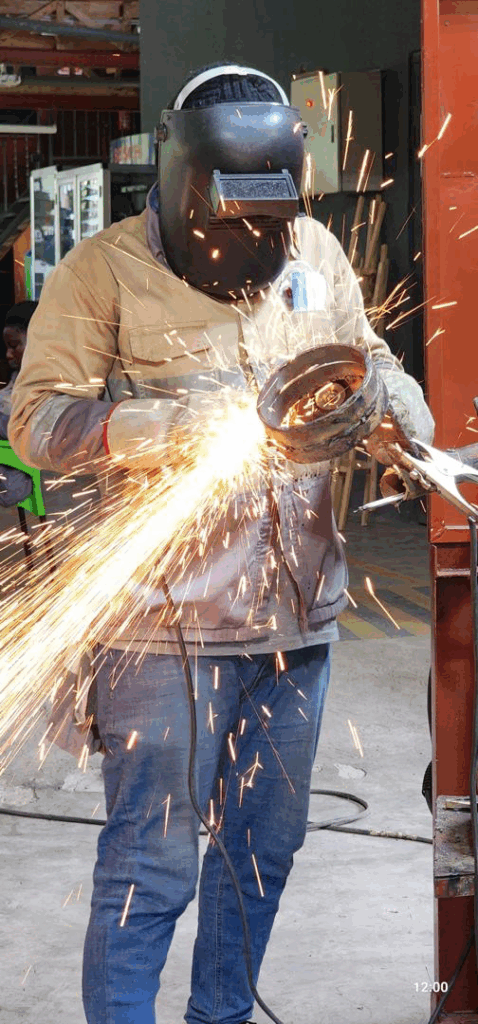
Since its inception, 172 graduates have benefited, with 90 more set to graduate in December 2025. Impressively, 77% of past trainees have either secured employment or pursued further education, underscoring the programme’s effectiveness in preparing young professionals for competitive careers.
The Community Apprenticeship Programme complements this by equipping youth with vocational skills through informal training with local trade masters. Participants gain expertise in fields such as dressmaking, spraying, hairdressing, auto electricals, mechanics, welding and fabrication.
Upon completion, trainees receive start‑up tools to support their transition into self‑employment, fostering entrepreneurship and economic independence.
In 2024, the Gold Fields Ghana Foundation expanded its skills development portfolio by launching the Community Youth Apprenticeship Training Programme (CYAT).
The initiative provided intensive technical training in industrial and domestic electricals, equipping participants with practical skills relevant across multiple industries.
All trainees successfully passed examinations administered by the Energy Commission of Ghana and the National Vocational Training Institute (NVTI).
To ease their transition into the workforce, each graduate was presented with a set of start‑up tools, while additional entrepreneurship training prepared them to establish and manage their own businesses.
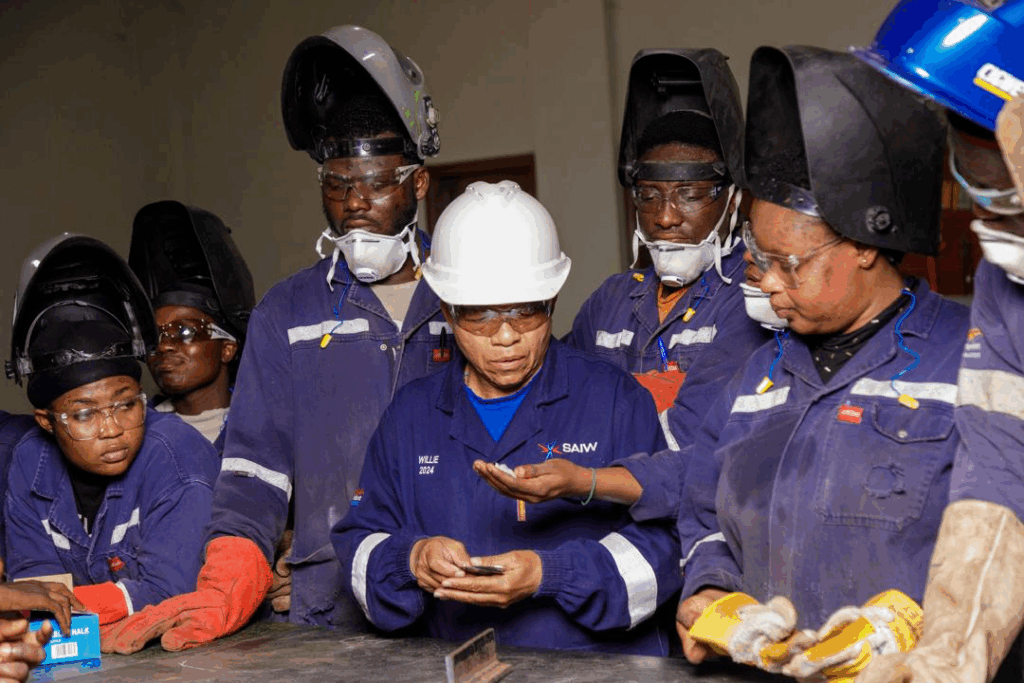
The Foundation also advanced its Mine Apprenticeship Programme, where 29 apprentices completed training in welding and fabrication—skills critically needed in the mining and construction sectors.
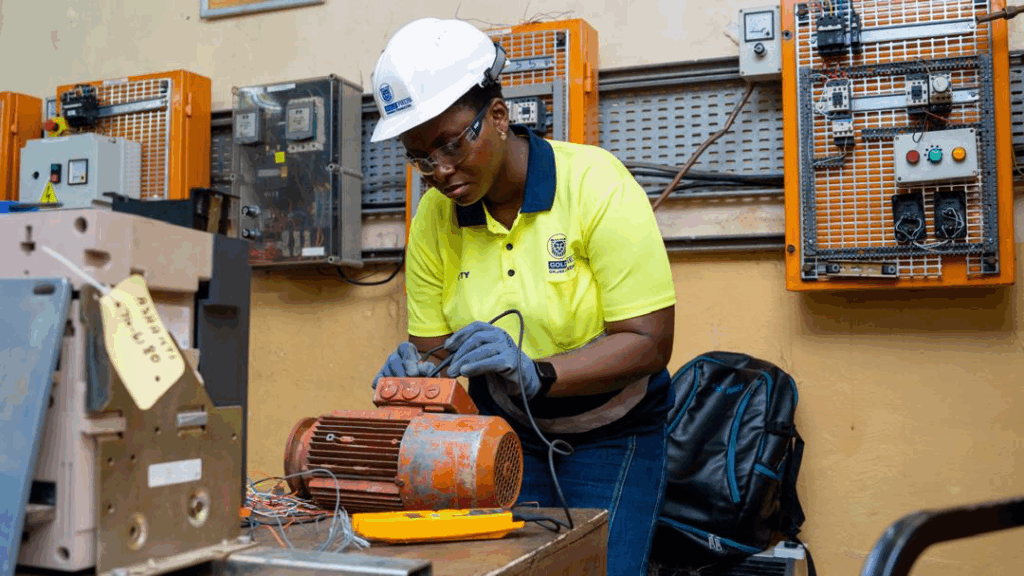
Graduates earned certificates of competency from the Minerals Commission of Ghana and the Southern African Institute of Welding (SAIW). Beyond technical expertise, participants were trained in entrepreneurship fundamentals, business management, financial literacy and regulatory compliance, ensuring they are well‑positioned to thrive in the job market.
Through its scholarship and training programmes, the Gold Fields Ghana Foundation continues to demonstrate its commitment to empowering communities, building human capital and driving sustainable development.
By investing in education and skills training, the Foundation is not only shaping brighter futures for individuals but also strengthening the socio‑economic fabric of Ghana’s mining communities.
About the Author
