The Chief Executive Officer of Impact Investing Ghana (IIGh), Mrs. Amma Lartey has intimated that many Ghanaian businesses are not investment-ready, which undermines efforts to mobilise patient capital for sustainable growth.
While acknowledging that the US$75 million Ci-Gaba Fund of Funds marks a breakthrough in mobilising domestic capital, Mrs. Lartey noted that Ghana’s lack of bankable Small and Medium Enterprises (SMEs) would make the fund less impactful as previous capital has yet to translate into economic growth.
She made these remarks at the just ended Ghana Impact Summit 2026. Themed, ‘Scaling Impact: Mobilising Local Capital for Locally Led Change’, the summit was organised by Impact Investing Ghana in partnership with GSG Impact and the Africa Impact Investing Group. This follows the mobilisation of the seed capital of US$75 million for the Ci-Gaba Fund of Funds. Ci-Gaba is earmarked to invest in funds across the West African sub-region that focus on SMEs that have impact potential on the attainment of the Sustainable Development Goals (SDGs).
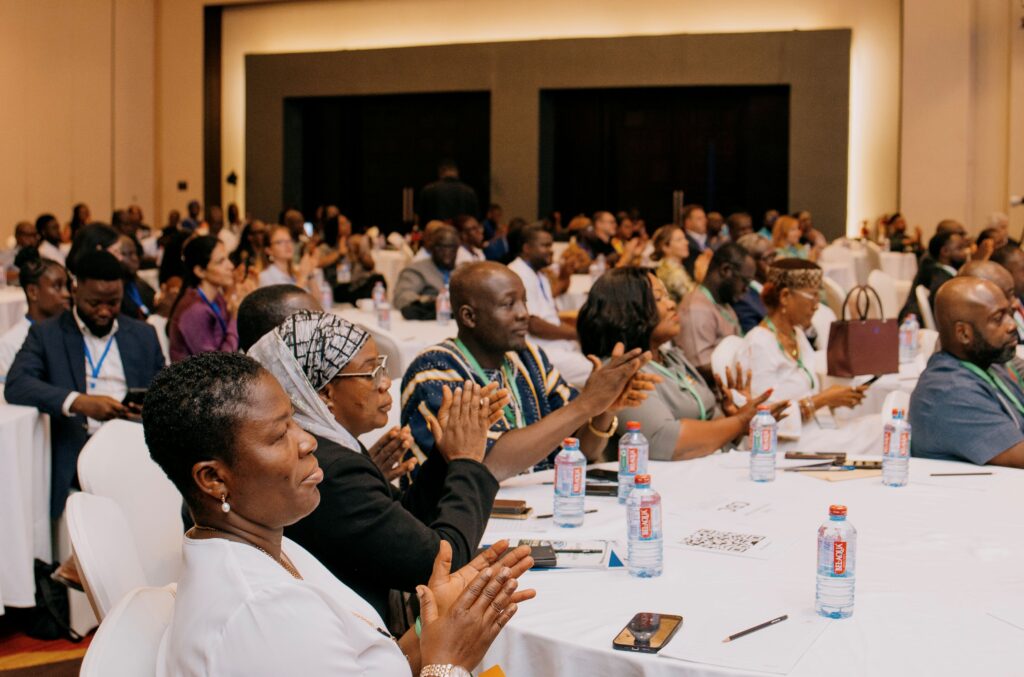
However, Mrs Lartey stressed that the lack of bankable businesses capable of absorbing the gigantic capital, which she described as the “pipeline problem” presents a serious challenge to the fund’s impact in Ghana.“We need to have a pipeline of investment-ready businesses to absorb the capital. We need to make sure that we have those investment-readiness service providers who don’t just do trainings, but who actually help the business overcome the structural challenges,” she said.
In his remarks, the Board Chair of Impact Investing Ghana, Mr. Alex Asiedu, cautioned that domestic capital is not the panacea, arguing that local capital can sometimes carry inherent risks. “We should be honest here. Local capital is not automatically better. It can tolerate mediocrity when standards are weak, and at times it favours relationships over performance. That’s not good enough,” he said, noting that “the question is not how to mobilise local capital, but how to mobilise disciplined, patient, and accountable local capital.”
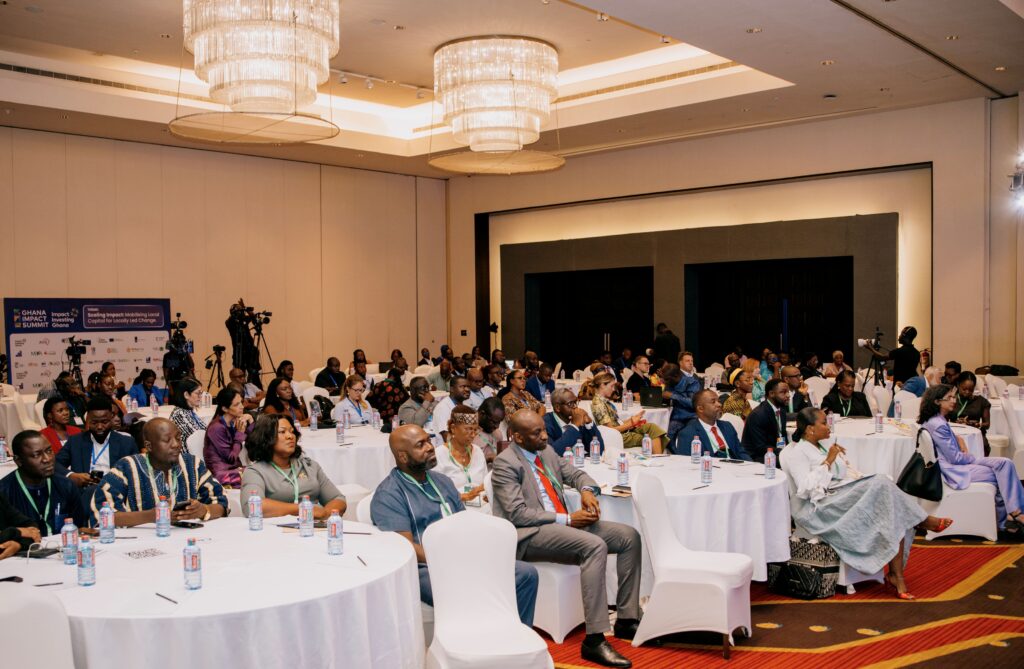
He noted that despite touting domestic capital for years as the solution to the funding problem businesses face, it has yet to translate into significant productive employment. “Over the same period that we’ve been in existence, Ghana has added more than three million young souls to its population, and yet we have not created enough productive jobs to absorb the 1.5 to 2 million new entrants into the labour force,” Mr. Asiedu said.
He added that despite efforts to bridge this gap by pumping disciplined local capital into businesses, the gap continues to widen.
Mrs. Lartey said Ci-Gaba aims to channel domestic institutional capital into businesses that can deliver sustainable jobs, affordable housing, healthcare and education. “It’s the tip of the iceberg. We’ve seen over US$600 billion in domestic institutional capital across Africa. Imagine what it would mean to unlock a small fraction of that for businesses that are ready to give up their services,” she said.
The Head of Cooperation for the EU Commission in Ghana, Silvia Severi, reaffirmed the EU’s commitment to building “an entrepreneurial ecosystem that is resilient, globally competitive and deeply inclusive.” But for Mr Asiedu, the test lies in the execution. “In the end, impact is not measured by what we say in things like this, but by the lives that are tending to be changed just because we’ve acted,” he said.
About the Author