Ghana, with a population of about 35 million people, does not have a single standalone comprehensive cancer centre of excellence, health experts have warned.
Speaking at the World Cancer Day celebration in Kumasi, President of Breast Care International (BCI), Dr Beatrice Wiafe-Addai, said the country’s cancer care system remains severely under-resourced.
She explained that Ghana should have at least 35 radiotherapy centres, based on international standards of one centre per one million people, but currently falls far short.
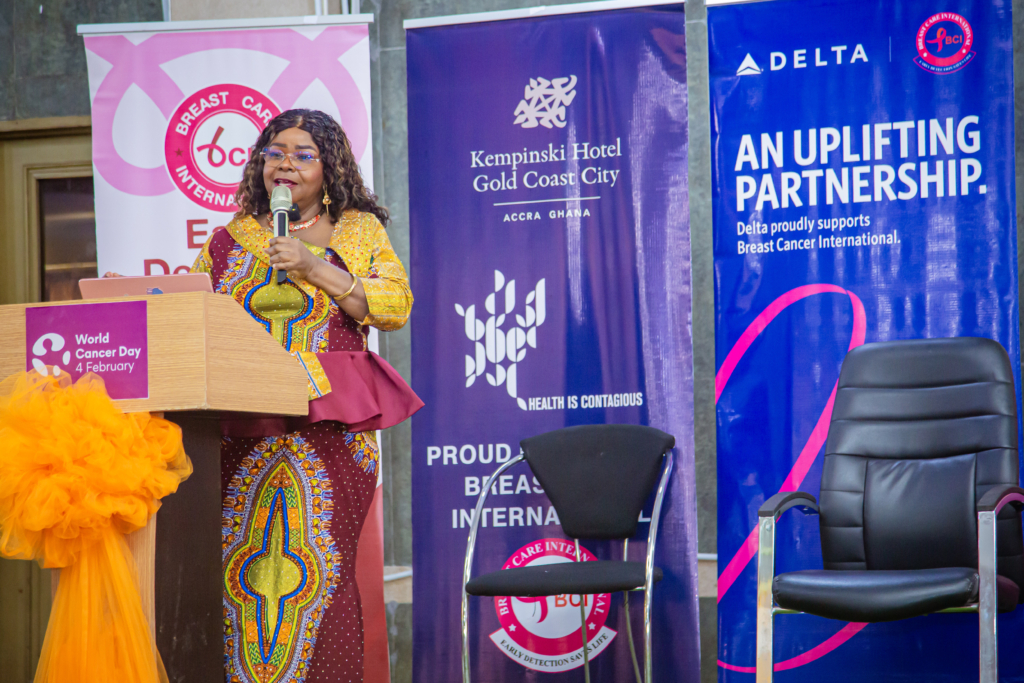
“In Ghana, a population about 35 million, we don’t have one standalone comprehensive cancer centre of excellence. 35 million we need about 35 radiotherapy centres but we don’t have them. One for a million people. Dr wiafe addai indicated.
This gap affects early diagnosis, treatment, and survival, she noted.
To help address the shortage, construction of a major cancer facility began in October 2024 at Kwaso near Ejisu in the Ashanti Region.
The Otumfuo Osei Tutu II Comprehensive Cancer Centre of Excellence (CCCoE) will sit on a 52-acre site and is expected to become one of the most advanced oncology facilities in Ghana.
The centre will provide services in cancer prevention, awareness, screening, diagnosis, treatment, and rehabilitation when completed.
The project is being funded by Breast Care International (BCI), Peace and Love Hospitals, Global Health Catalyst, and the University of Pennsylvania in the United States.
It also involves partnerships with leading global institutions, including Johns Hopkins, Harvard, University of Pennsylvania, University of Pittsburgh, UC Davis, Columbia University, University of Washington (Seattle), Memorial Sloan Kettering Cancer Center, and Nanocan Therapeutics.
Initial funding for the project came from former USA President Joe Biden’s Cancer Moonshot 2.0 initiative.
The first phase of the project, valued at 10 million US dollars, will include a modern radiotherapy unit, advanced clinical services, a research and innovation wing, an Artificial Intelligence (AI) hub, education and training facilities and community outreach programmes.
Dr Wiafe-Addai said the centre will serve Ghana and the wider West African sub-region, while reducing the need for patients to travel abroad for treatment.
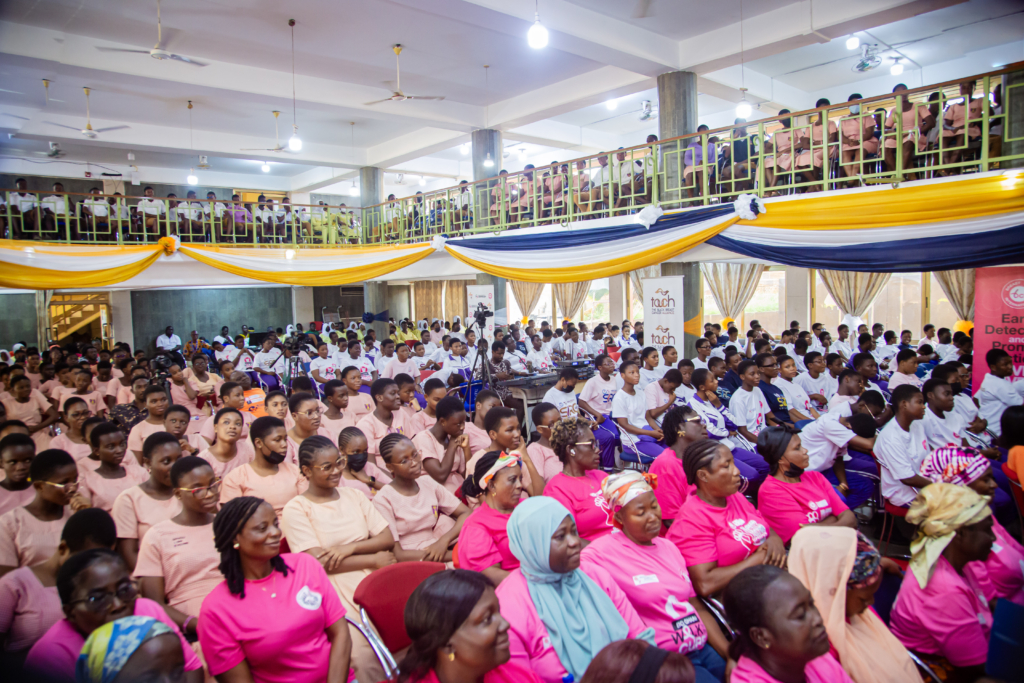
Late diagnosis remains a major challenge
Provost of the College of Health Sciences, Professor Christian Agyare, said cancer survival in sub-Saharan Africa remains far below global averages.
He explained that many patients, especially women with breast cancer, still report to hospitals at advanced stages of the disease.
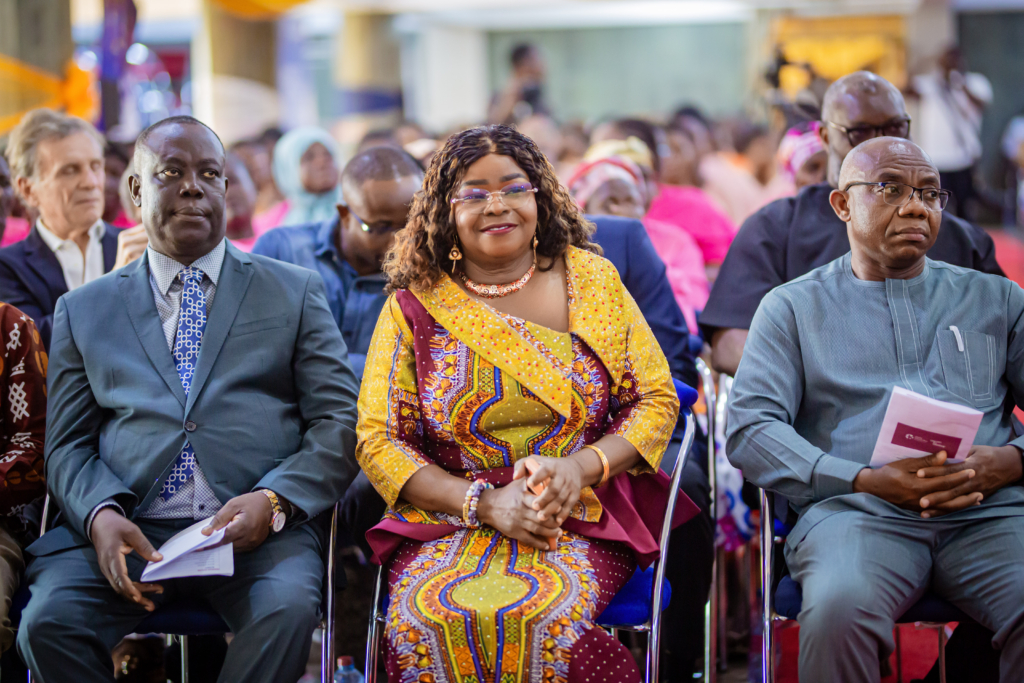
“These realities show that access, awareness, and early detection remain critical to survival,” he said.
Health experts say the new centre represents a major step toward filling long-standing gaps in cancer care, research, and training in Ghana.
They stress that sustained investment, expanded radiotherapy services, and early screening programmes will be key to improving cancer outcomes nationwide.
About the Author