
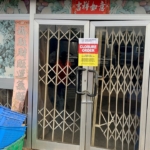
The Food and Drugs Authority (FDA) in the Ashanti Region has shut down seven Chinese-owned shops in Kumasi after discovering unregistered products labelled in foreign languages, a move officials say is aimed at protecting consumers ahead of the festive season.
The operation took place at the Ahodwo enclave, specifically the area popularly known as Chinatown, where FDA officers seized goods and closed shops alleged to be selling items that had not gone through the Authority’s approval process.
Speaking to the media after the swoop, the Ashanti Regional Head of the FDA, Nathaniel Kwabena Nkrumah, advised consumers to take extra precautions when buying food, cosmetics, and household products on the market.
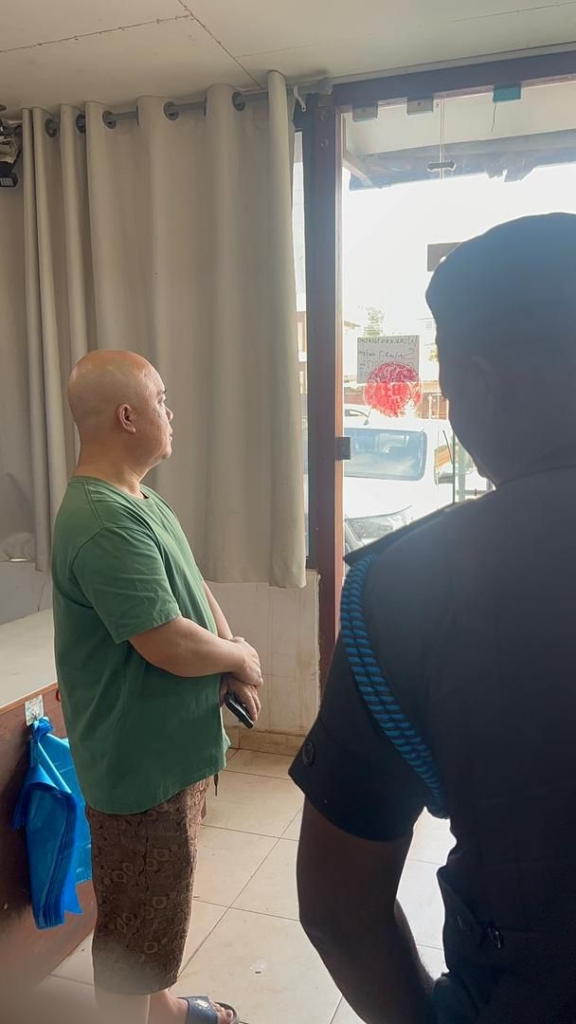
“So we educate the public that if you go to buy any product that is not in English, know that the FDA has not approved it,” he warned. He encouraged shoppers to always check batch numbers, manufacturing dates and expiry dates, adding that items with erased or tampered labels should immediately “raise red flags.”
Mr Nkrumah said the clampdown forms part of the FDA’s broader festive-season surveillance strategy, combining public education with strict enforcement to prevent the sale of harmful goods. He noted that many of the confiscated items had labels only in Chinese, making it impossible for consumers to understand their contents or safety instructions.
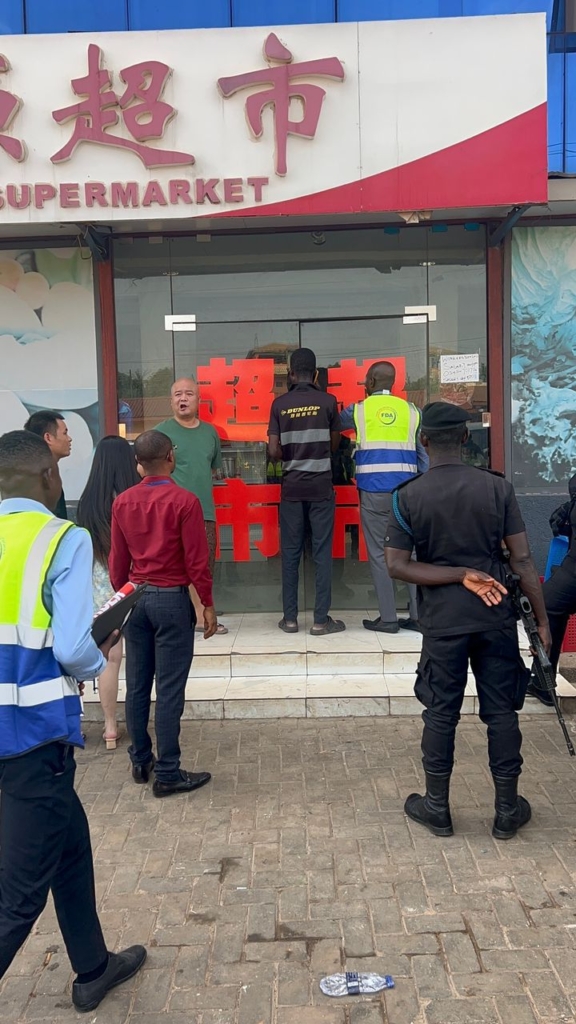
According to him, the Authority has intensified market monitoring in major commercial areas, stressing that traders who ignore registration requirements will have their businesses shut down.
The FDA also advised the public to avoid buying products from mobile vendors who move from place to place, as such sellers are difficult to trace for refunds or safety follow-ups. Mr. Nkrumah emphasised that any product with stickers covering original text should be treated with suspicion.
“If there’s any sticker on the labelling, we don’t allow stickers,” he said. “We allow information to be endorsed directly on the labelling.”
The Authority further urged importers and shop owners to stop taking consumers for granted and ensure full compliance with FDA regulations.
The operation adds to recent national efforts to tighten market surveillance, especially during December when demand for food and consumer goods spikes, increasing the risk of unwholesome products entering the market.
About the Author