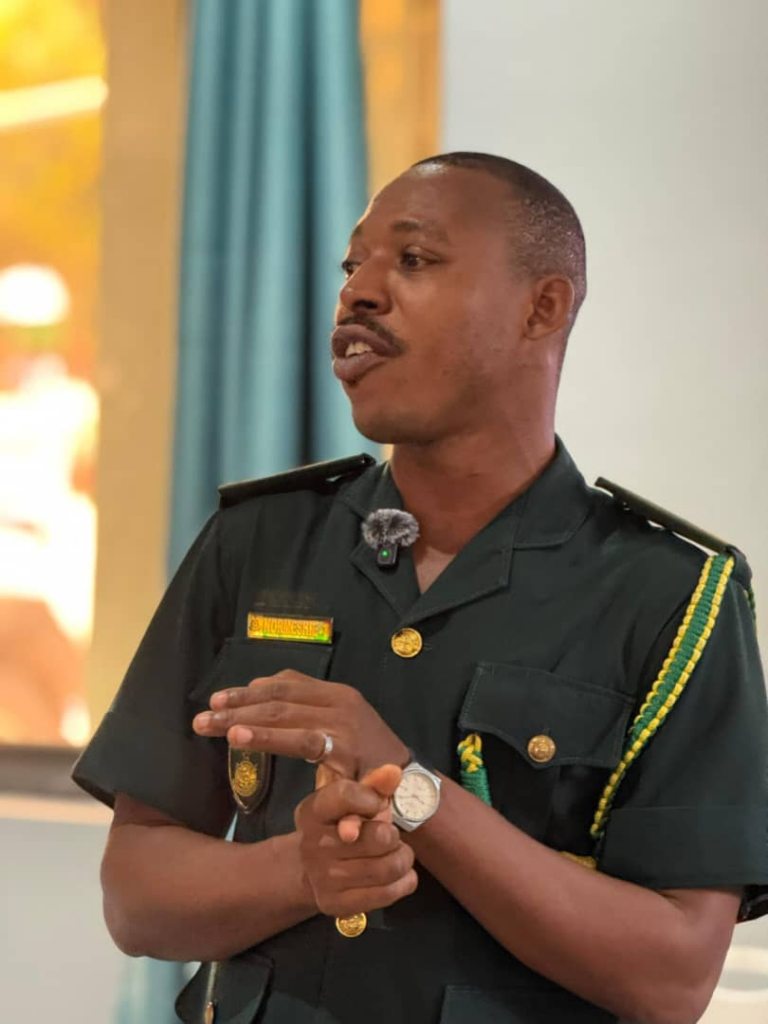

The Family Life Chapel of the Assemblies of God Church, Ho, has celebrated its 10th anniversary, drawing praise for its community impact and spiritual growth.
The milestone event has not only been a time of thanksgiving but also an occasion for reflection on the role of the church in social issues, including conflict resolution, youth guidance, and community cohesion.
At the anniversary service, Chairman of First Sky Group Limited, Eric Seddy Kutortse, pledged to build a modern chapel for the Family Life Chapel Assemblies of God as part of his contribution to the ministry.
This commitment underscores the growing confidence of sponsors and stakeholders in the church’s vision and impact.
Church as a Platform for ADR, Conflict Resolution
The head pastor, James Nanevi, said the church was currently in the midst of “ADR Week”, a national period dedicated to promoting alternative dispute resolution (ADR) mechanisms.
He recalled that Chief Justice Paul Baffoe-Bonnie had visited the church as part of the ADR outreach, and church members engaged the ADR team with thoughtful questions about conflict-resolution systems in Ghana.
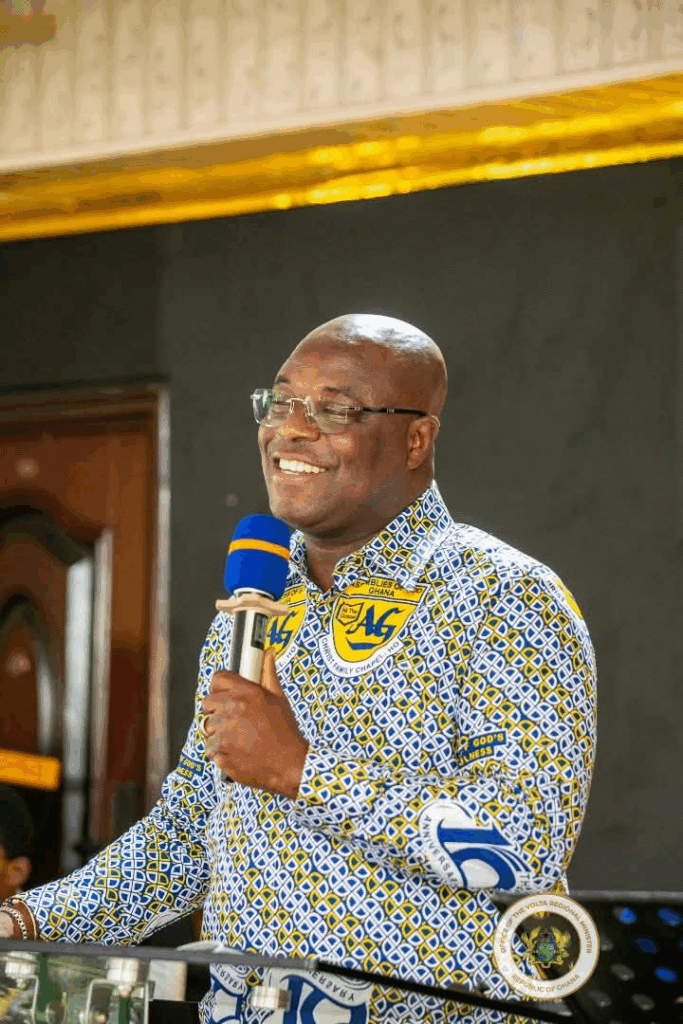
Pastor Nanevi explained that many of the issues church members bring — marital conflicts, personal disputes, interpersonal tensions — are often resolved internally by the church leadership.
But he emphasised that the church could do more, especially if coordinated with legal professionals:
“We have public-sector workers, we have lawyers … about five lawyers,” he said.
He proposed that these individuals could be mobilised into a dedicated ADR team under the church’s auspices, providing mediation and reconciliation support not just for congregants but also for the wider community.
He urged the formal judicial bodies—courts and ADR institutions—to liaise with church leadership: “The court needs to liaise with us … ADR needs to liaise with us, the pastors. And so with teamwork, we could be able to push this agenda.”
A Message to Youth: Hard Work, Faith, and Rejecting Quick-Rich Paths
Pastor Nanevi used the anniversary to reflect on the church’s humble beginnings: founded 10 years ago with just 16 people using borrowed furniture, yet today the congregation numbers over 400.
He urged young people to anchor their lives on faith, diligence and patience, rather than chasing get-rich-quick schemes.
“When you believe in the Lord … keep your hard work up,” he said.
Expressing concern over rising drug abuse among youth—especially Generation Zs—he appealed to them to “stop the drug manners … focus on God, focus on Christ,” insisting that a God-centred life would help secure their destiny.
Political and Regional Context: Support for National Leadership and Vision

In his remarks, Pastor Nanevi extended blessings and prayers for national leadership. He congratulated the President, Chief of Staff, and opinion leaders, aligning the church’s vision with national stability and development.
Volta Regional Minister James Gunu commended the church’s contribution, saying that the government’s “resetting agenda” is showing success, and noting that the President’s vision is rooted in partnership.
Why This Matters: Churches as Community Anchors Beyond the Pulpit
The 10-year celebration of Family Life Chapel reveals how growing churches in Ghana are evolving beyond religious worship to become community anchors — offering support, guidance and conflict-resolution.
The pledge by a private businessman to build a new church structure reflects growing public confidence in the church’s role.
The suggestion to formalise ADR-support teams within church membership — including lawyers and public-sector workers — highlights how religious institutions can collaborate with formal justice systems to address social conflicts.
The church’s emphasis on youth discipline, avoidance of drug abuse, and moral growth indicates a focus on long-term community stability.
As churches like Christ Family Chapel grow and mature, their influence expands beyond Sunday worship to daily life — reinforcing the potential of faith-based institutions to contribute meaningfully to social cohesion, reconciliation, and national development.
About the Author