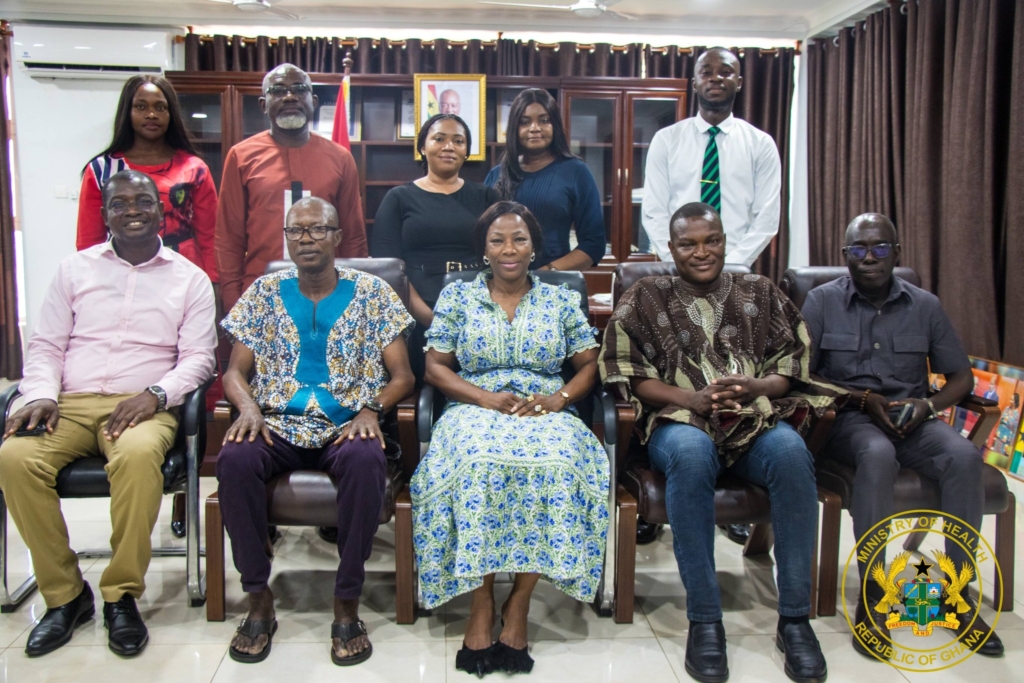
The Deputy Minister for Health, Grace Ayensu-Danquah, has embarked on a two-day working visit to the Bono East Region and Ahafo Region as part of efforts to strengthen healthcare delivery ahead of the rollout of the government’s Free Primary Healthcare Policy.
The visit focused on assessing the posting and retention of newly deployed medical doctors, as well as evaluating the state of health facilities in both regions.
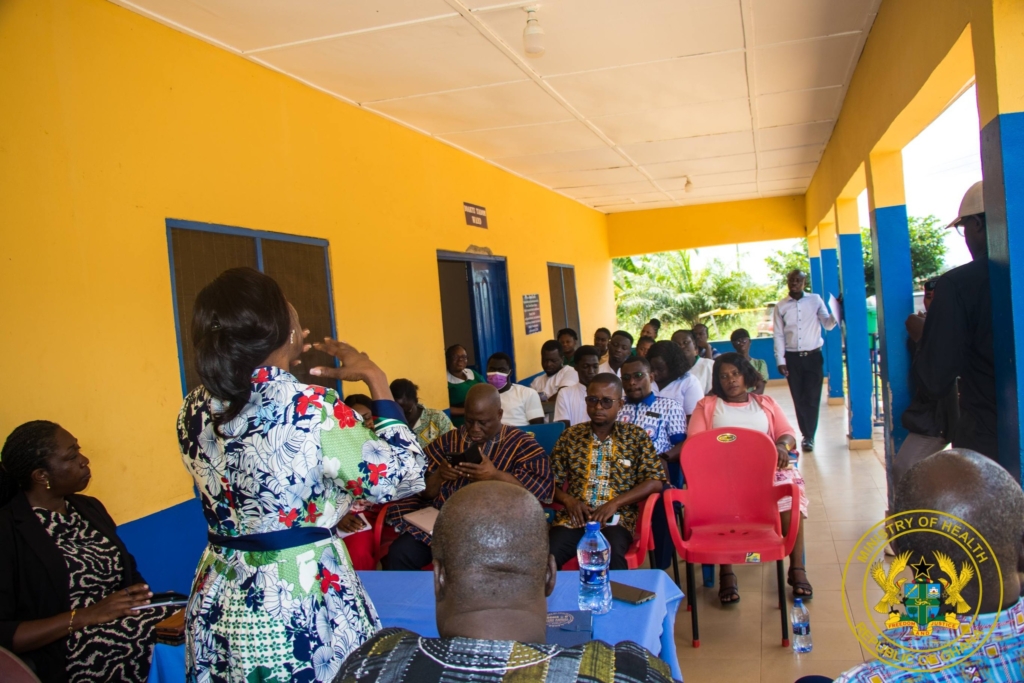
In Bono East, the Deputy Minister met with key stakeholders, including health officials, Metropolitan, Municipal and District Chief Executives, and representatives of the Regional Coordinating Council, to discuss challenges affecting service delivery.
She also held a closed-door meeting with newly posted doctors, who cited accommodation constraints, inconsistent water and power supply, and transportation difficulties as major concerns.
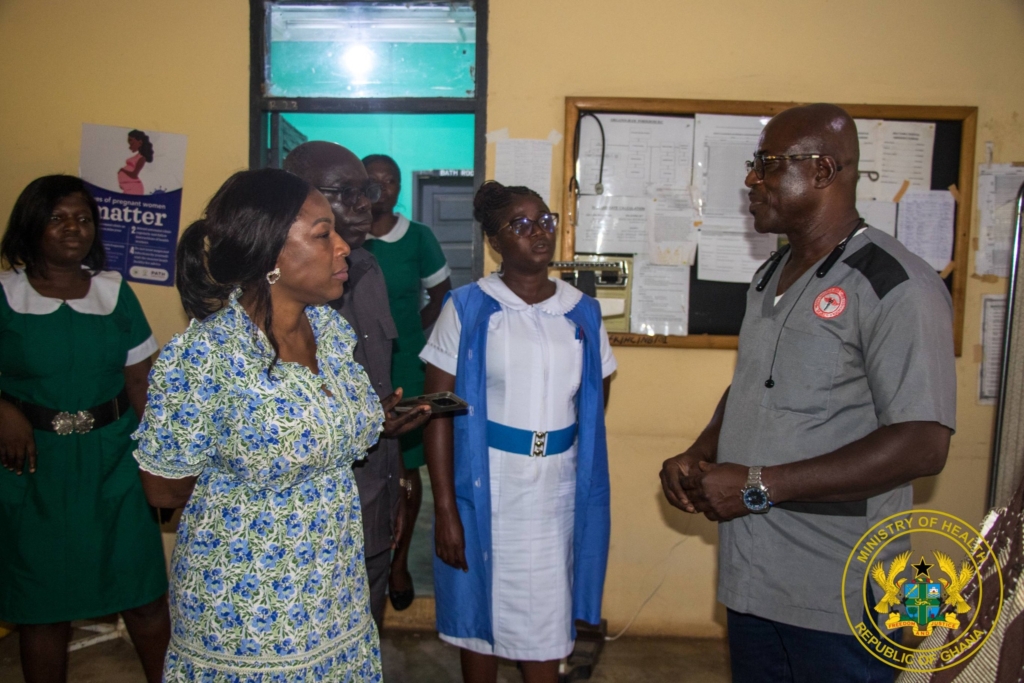
In response, Prof. Ayensu-Danquah urged local authorities to prioritise the welfare of health workers, noting that their conditions of service are critical to retaining staff and ensuring quality care.
Out of 23 doctors posted to the region, 19 have reported for duty.
The Deputy Minister further inspected facilities such as the Fiaso CHPS Compound, Oforikrom Health Centre, and the Abrafi Women and Children’s Hospital, where health managers highlighted urgent equipment needs and appealed for support.
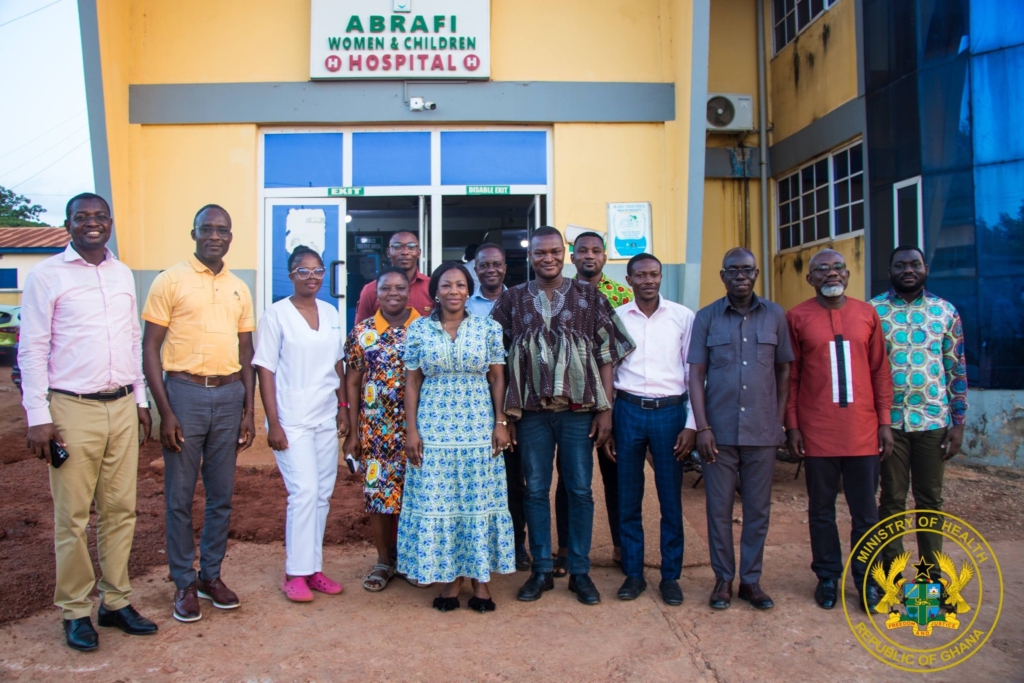
She assured them of the government’s commitment to improving primary healthcare infrastructure.
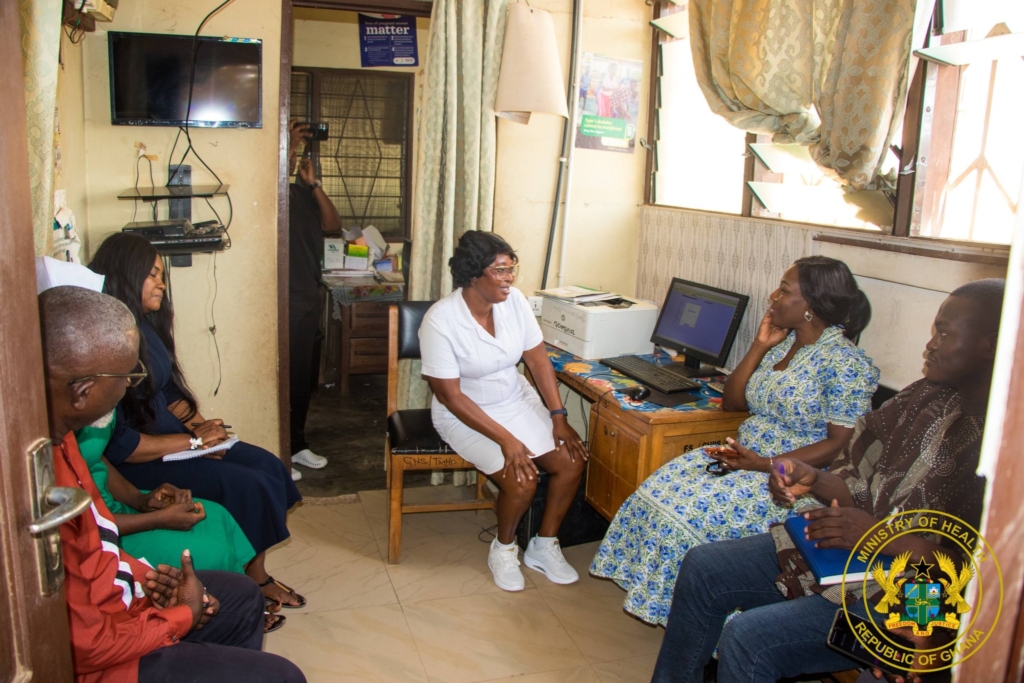
Continuing to the Ahafo Region, she toured the Fawohoyeden CHPS Compound in Asunafo North, Goaso Municipal Hospital, Nkaseim Health Centre, and the Asutifi North District Hospital.
During her interactions with staff, she encouraged health workers to maintain high standards of care despite existing challenges.
However, she raised concerns over the low reporting rate of newly posted doctors in the region, disclosing that only eight out of 21 have assumed duty.
She called on stakeholders to take immediate steps to address the situation and improve retention.
Prof. Ayensu-Danquah also highlighted ongoing efforts to retool CHPS compounds and health centres to support the effective implementation of the Free Primary Healthcare Policy, while noting that the Ghana Medical Trust Fund will play a key role in improving care for non-communicable diseases.
On maternal health, she revealed that nearly 1,000 women die annually from pregnancy-related complications, adding that the Minister for Health, Kwabena Mintah Akandoh, has tasked her to help reduce maternal mortality by 20 per cent by the end of the year.
Officials of the Ahafo Regional Health Directorate described the visit as timely, expressing optimism that it would help address critical gaps in the region’s healthcare system.
About the Author