Civil Society Organisations (CSOs) in Ghana have raised serious concerns over a growing shortage of contraceptives in clinics nationwide, warning that the situation could trigger increased unsafe abortions and maternal deaths.
The group stated that family planning commodities worth $500,000, procured by the United Nations Population Fund (UNFPA) and consigned to the Ministry of Health since 2024, remain stuck at the port of entry, with some stocks approaching expiry.
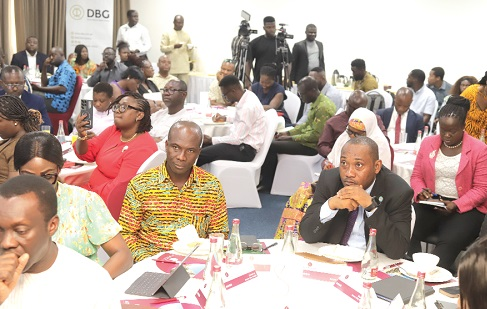
Speaking at the MSI Conference Centre in Accra on Wednesday, April 8, the CSOs called on the government to urgently release the commodities and ensure their rapid distribution to health facilities across the country.
They stated that family planning is a critical public health service, not a luxury, noting that shortages of contraceptives could lead to unsafe abortions, rising child poverty, and higher maternal mortality.
The group also expressed concern that national and regional medical stores are running low, as existing stocks continue to be used without replenishment.
According to the CSOs, nurses who are supposed to provide contraceptive injections and implants are unable to offer these services due to the shortage.
They warned that stock-outs directly contribute to unintended pregnancies, which in turn increase unsafe abortions and preventable maternal deaths.
The CSOs highlighted that the shortage will disproportionately affect young girls, who already face barriers in accessing family planning services and have limited alternatives when public stocks run dry.
They further revealed that UNFPA has threatened to reduce its contribution to Ghana’s family planning commodities from 75 per cent to 25 per cent if the situation persists.
The CSOs called on the Ministry of Finance, the Ghana Revenue Authority, and its Customs Division to immediately clear the family planning commodities at the port and ensure their prompt dispatch to the National Medical Stores.
They also called on the Ministry of Health to publicly acknowledge the delay, issue a formal statement outlining corrective measures, provide a clear timeline for resolution, and implement systems to prevent similar occurrences in the future.
Additionally, the organisations urged the Ghana Health Service and the Ministry to establish a contingency supply plan to prevent stock-outs at district and facility levels while the commodities are being cleared and distributed.
The CSOs recommended that the government review the ICUMS classification of all UN agencies and diplomatic bodies procuring health commodities for Ghana to avoid similar administrative challenges in the future.
About the Author