
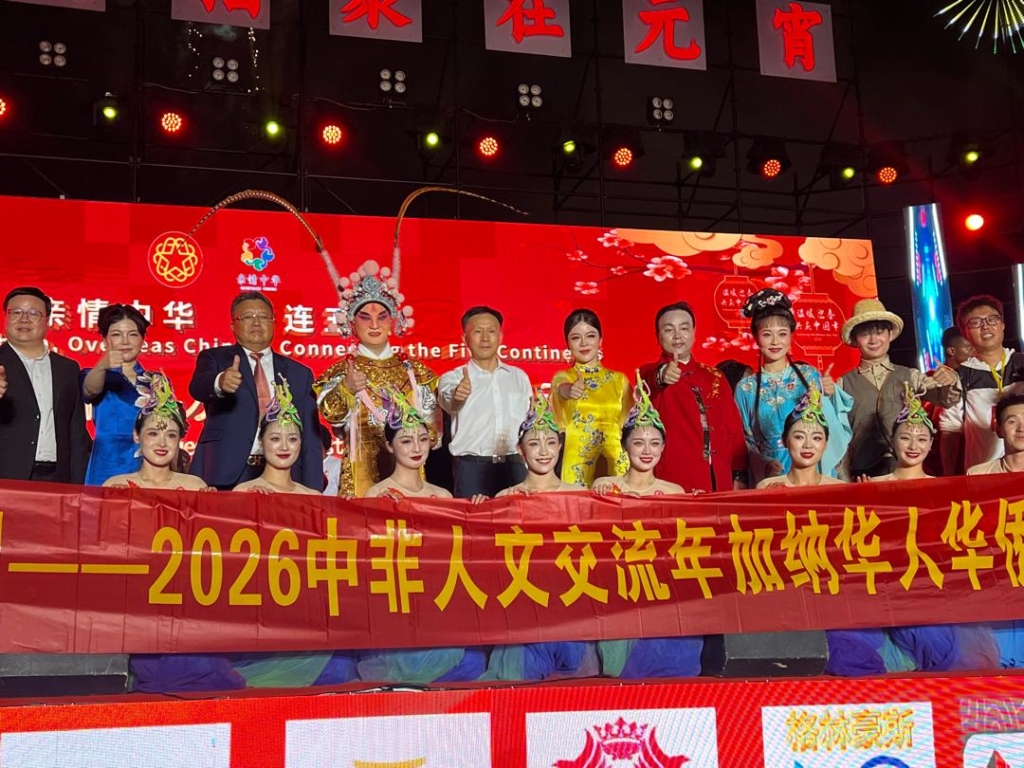
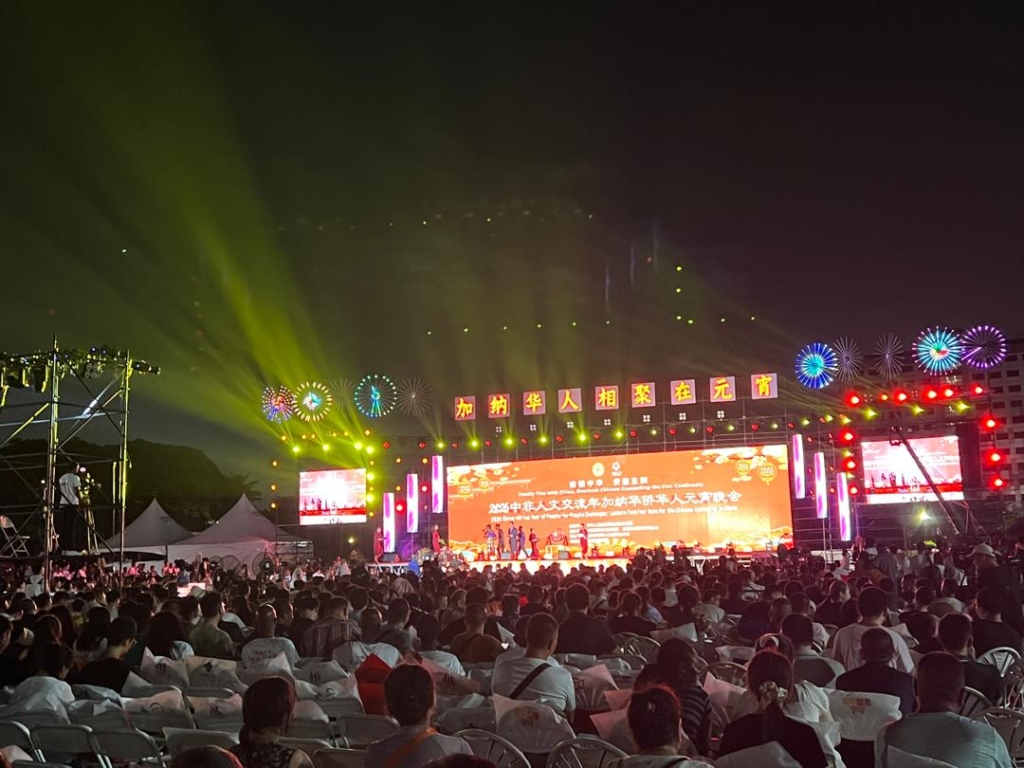
The Chinese community in Ghana celebrated the 2026 Chinese New Year Festival in Accra, using the occasion to deepen cultural ties and reinforce growing economic cooperation between Ghana and China.
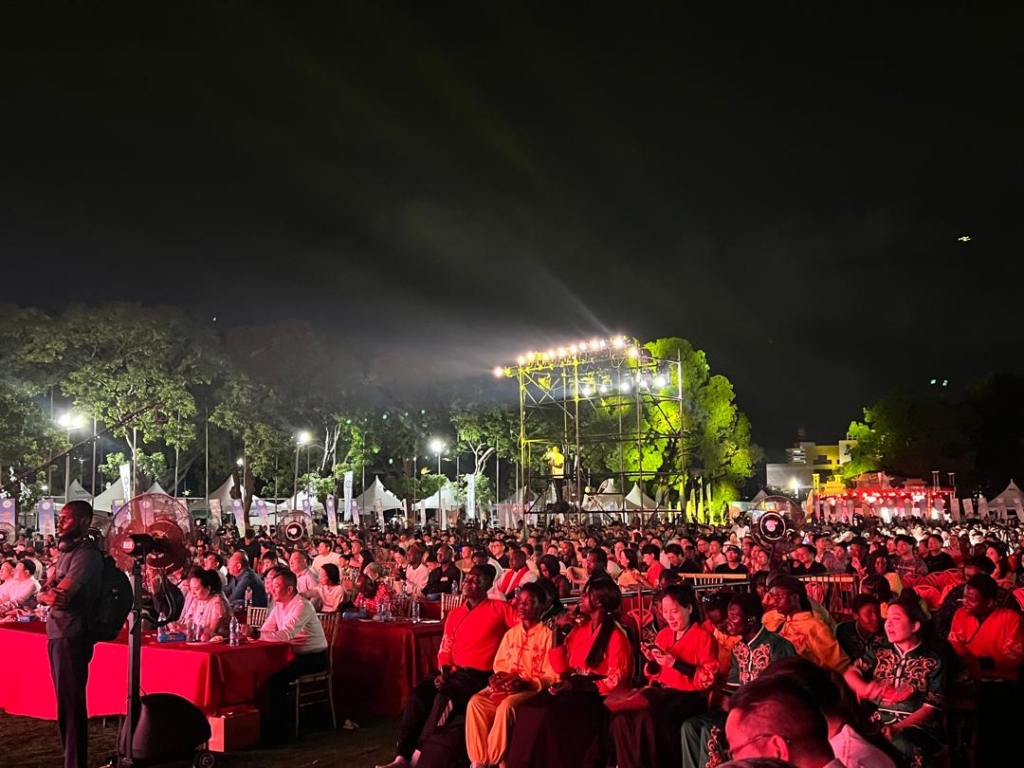
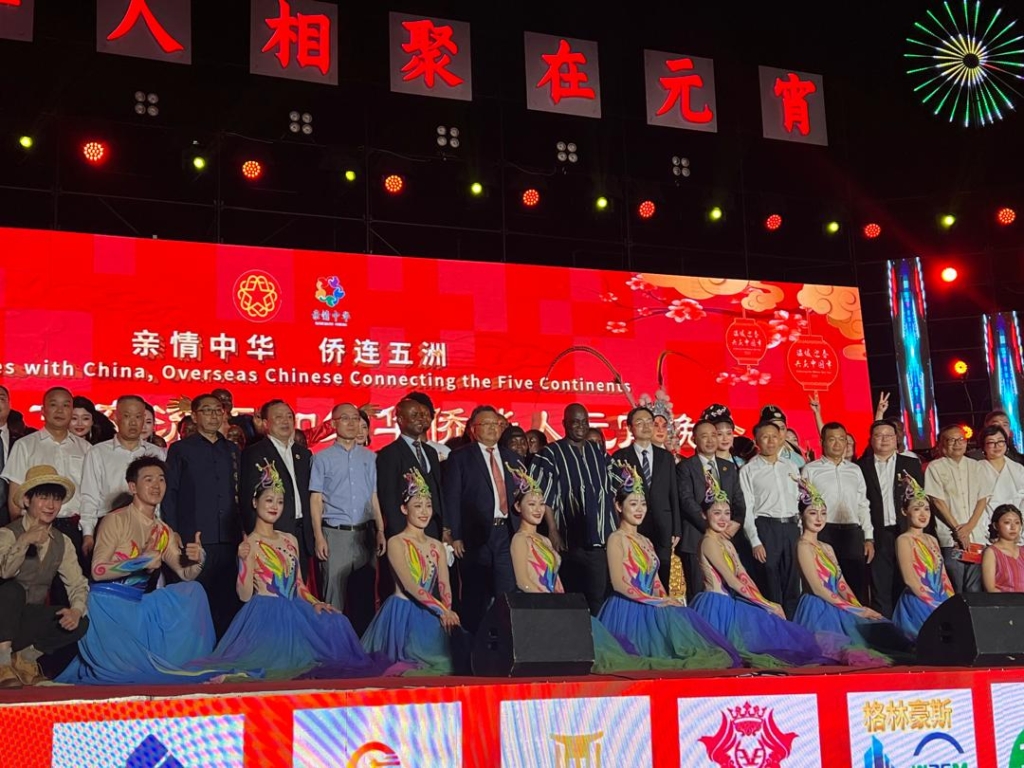
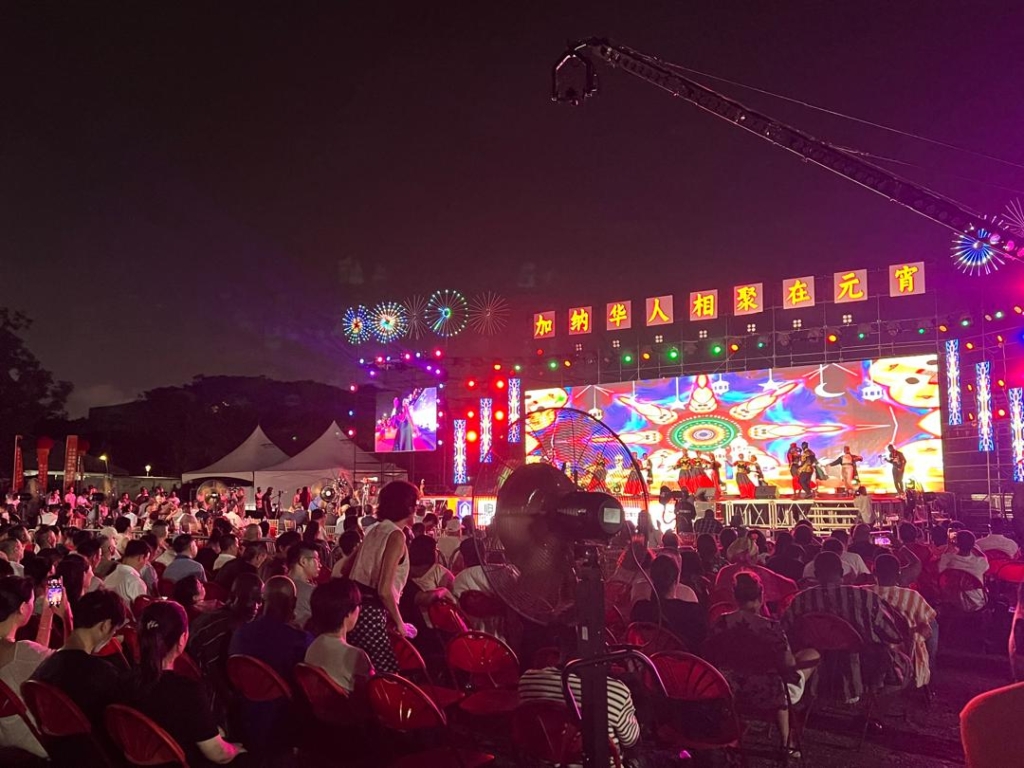
Held on Sunday, March 1, at the Forecourt of the State House, under the theme “Year of the Horse,” the event brought together government officials, business leaders, diplomats and members of both the Ghanaian and Chinese communities in a display of cultural exchange, unity and shared heritage.
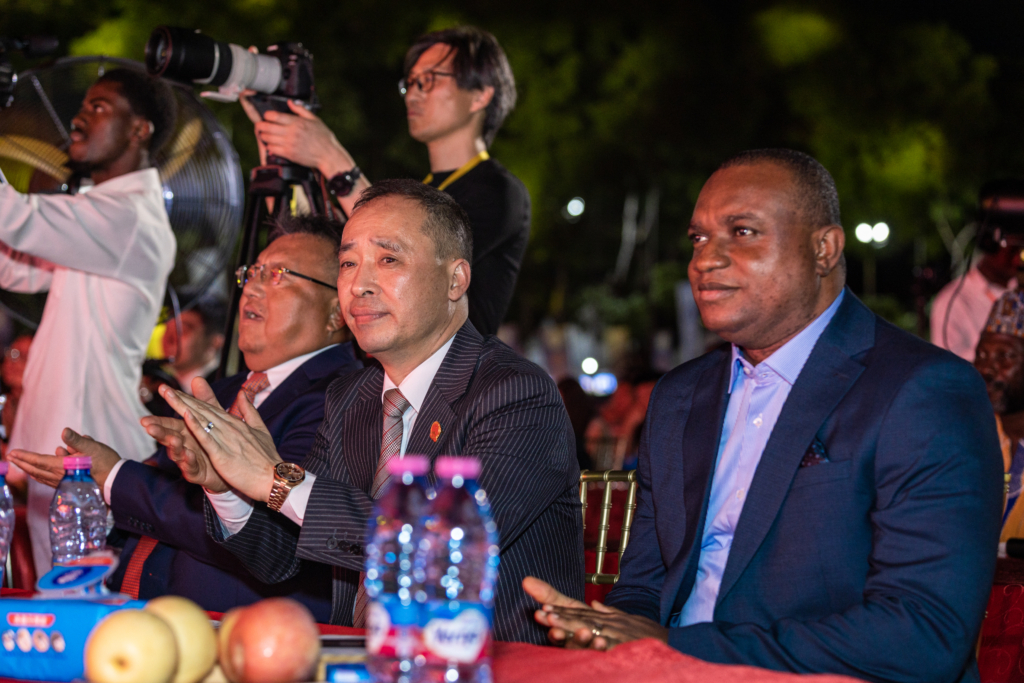
The celebration aimed to strengthen friendship, promote cultural appreciation and reinforce the longstanding bilateral relationship between Ghana and China.
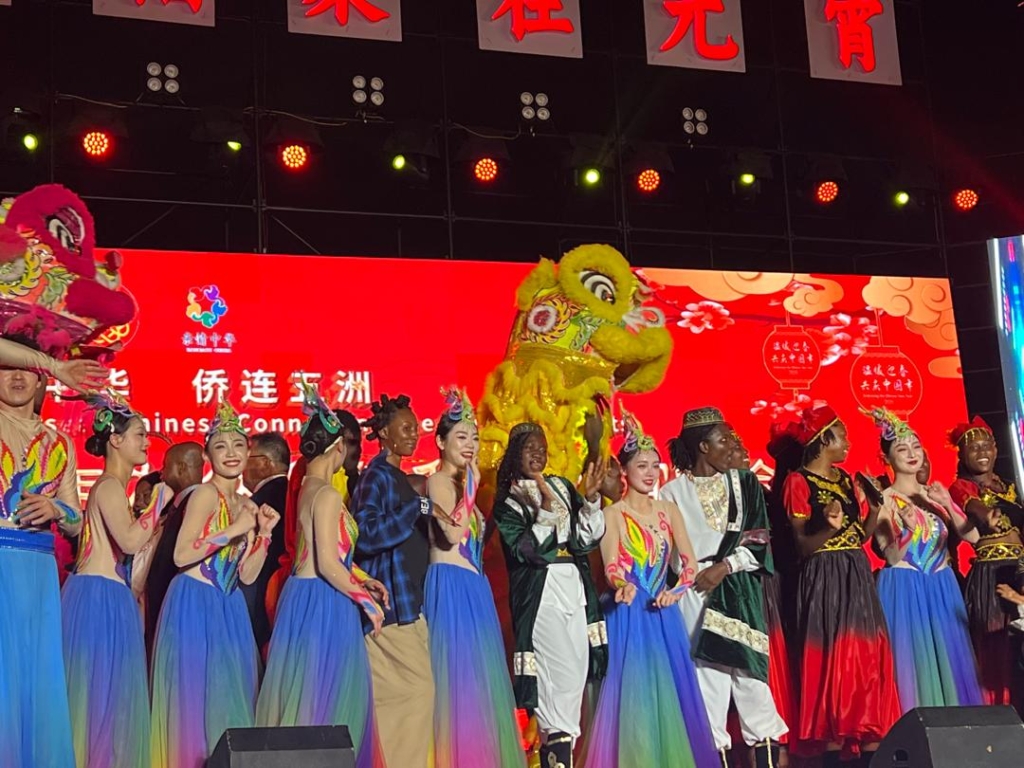
The evening opened with captivating performances from members of the Chinese community in Ghana, followed by stage appearances from various cultural groups.
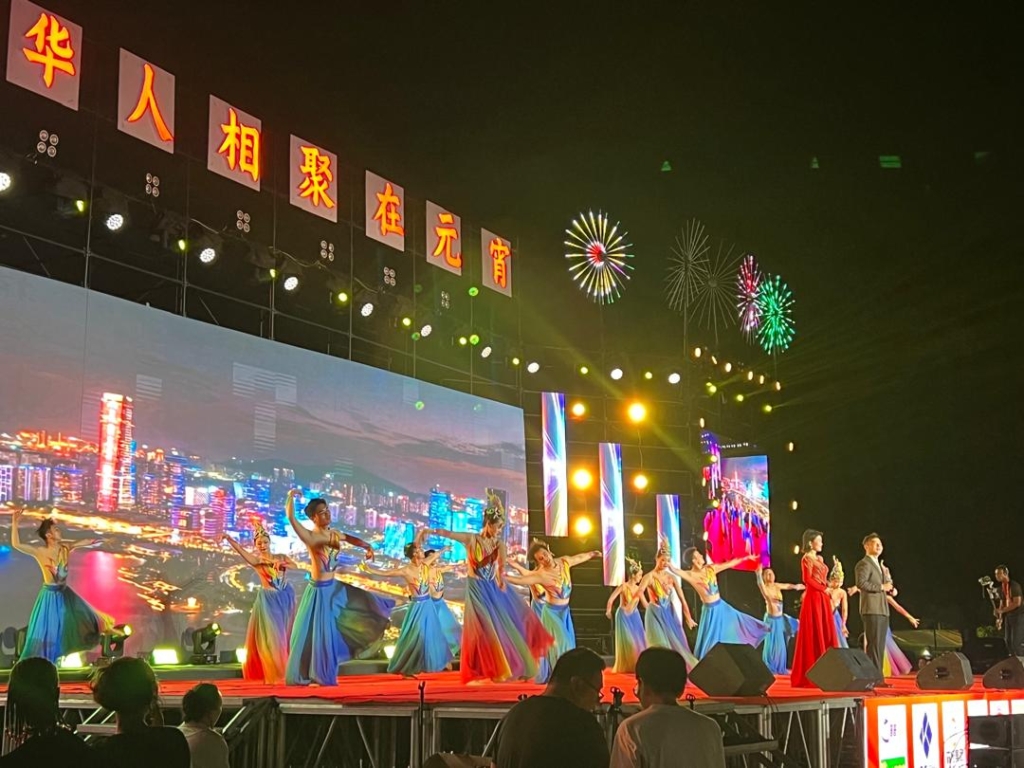
A major highlight was a special performance by the Anhui Performing Arts Group, which showcased elements of Chinese artistic heritage, including the famed Huangmei Opera, drawing applause from the audience.
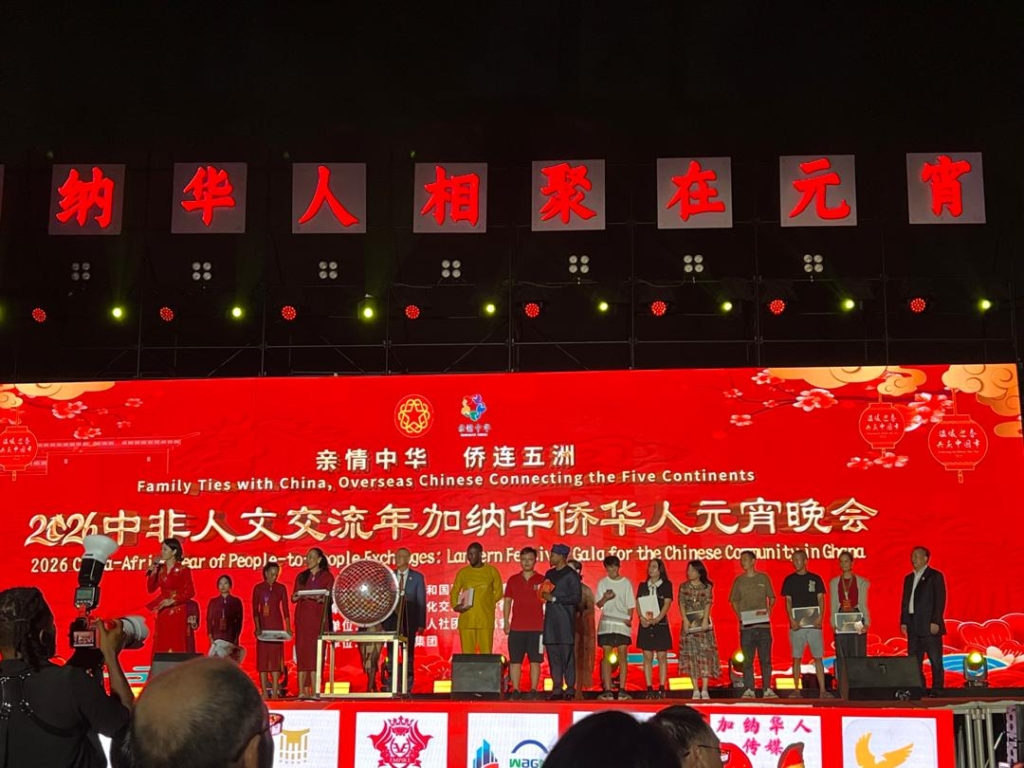
Beyond culture, the event featured a raffle draw, with attendees winning prizes including GH¢50,000 in cash, laptops, and business-class tickets from Accra to China and back, adding excitement to the celebration.
Speaking at the event, the President of the Ghana Association of Chinese Societies and the Ghana–Chinese Chamber of Commerce, Tang Hong, reflected on the historical depth of Ghana–China relations and the growing presence of the Chinese community in Ghana.
He noted that the year marks the 65th anniversary of the Ghana–China Friendship Treaty and the 66th anniversary of diplomatic relations between the two countries, describing the relationship as one that continues to grow stronger.
According to him, Ghana’s democratic system and respect for the rule of law make the country attractive to Chinese investors and businesspeople.
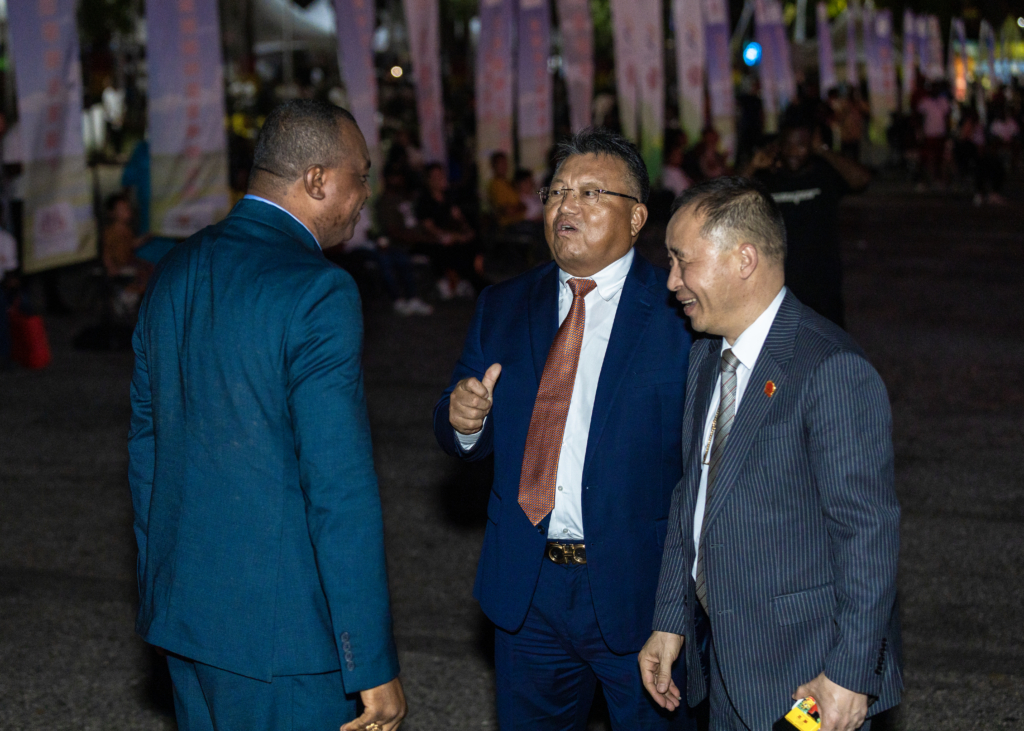
“Ghana is a law-abiding country. It is one of the most democratic countries. Because of this law-abiding nature, it gives certainty to Chinese investors,” he said.
He stressed the importance of the Chinese community complying with Ghana’s laws and regulations, noting that respect for the legal framework is fundamental to sustaining long-term business and social relationships.
“I always tell the Chinese community that we must comply with the rules and the law. That is the most important thing for us and for business in Ghana,” he stated.
Mr Hong also highlighted the role of Chinese investments in Ghana’s industrial development, particularly in manufacturing and industrial sectors, describing them as key drivers of economic growth.
He emphasised the importance of social responsibility, noting that Chinese businesses and communities must contribute to Ghana’s development through support for orphanages, education, healthcare, and vulnerable groups.
“We must take our social responsibility very seriously so that we can work together with our Ghanaian brothers and sisters, make progress together, and build strong friendships,” he added.
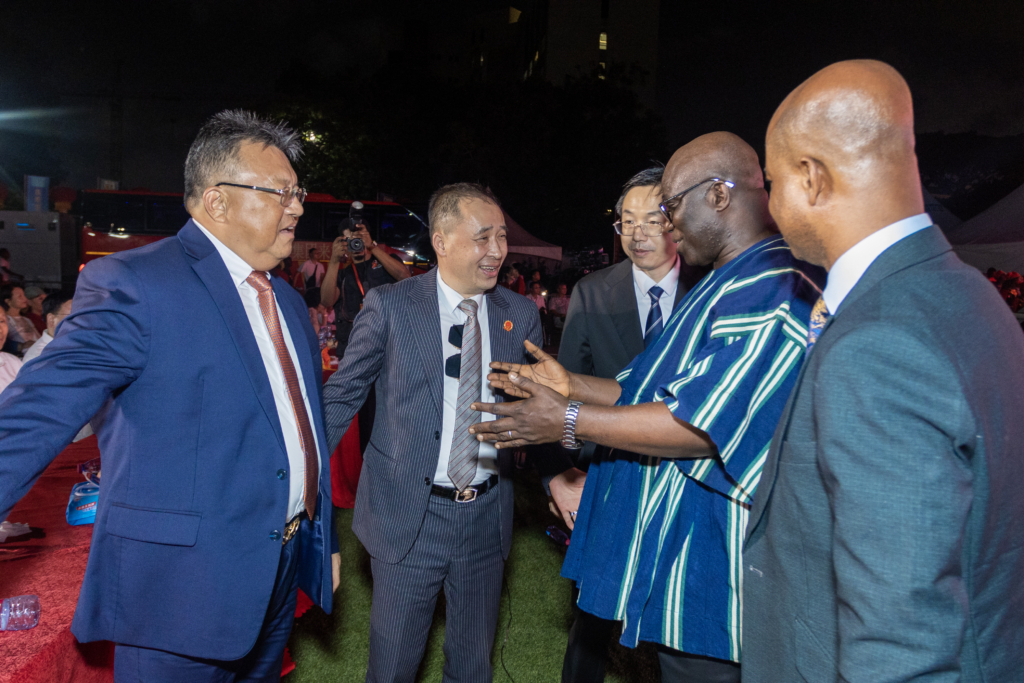
Vice Chairman of the Ghana–Chinese Chamber of Commerce and Chairman of Sentuo Group, Xu Ningquan, described the festival as a symbol of deeper relations beyond trade and commerce.
He said the celebration was not just a gathering for the Chinese community but a bridge of friendship between China and Ghana.
“While trade is the body of our relationship, cultural exchange is the blood that makes it live,” he said.
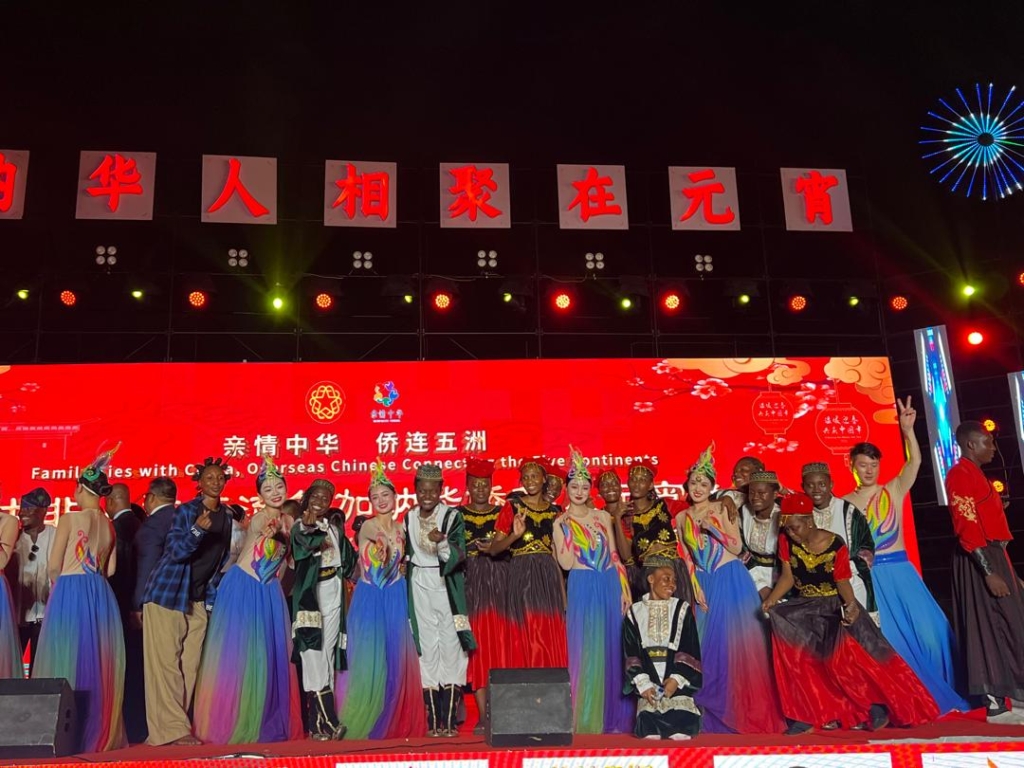
He linked the festival to broader China–Africa people-to-people engagement, describing 2026 as the “Year of China–Africa People-to-People Exchange,” and said genuine friendship is built through shared culture, mutual respect, and human connection.
He also expressed confidence in Ghana’s economic direction, referring to President John Mahama’s 2026 State of the Nation Address as a signal of long-term stability and opportunity for investors.
The Deputy Minister of Defence, Brogya Genfi, speaking on behalf of the government, described Ghana–China relations as one built on mutual trust and mutual benefit.
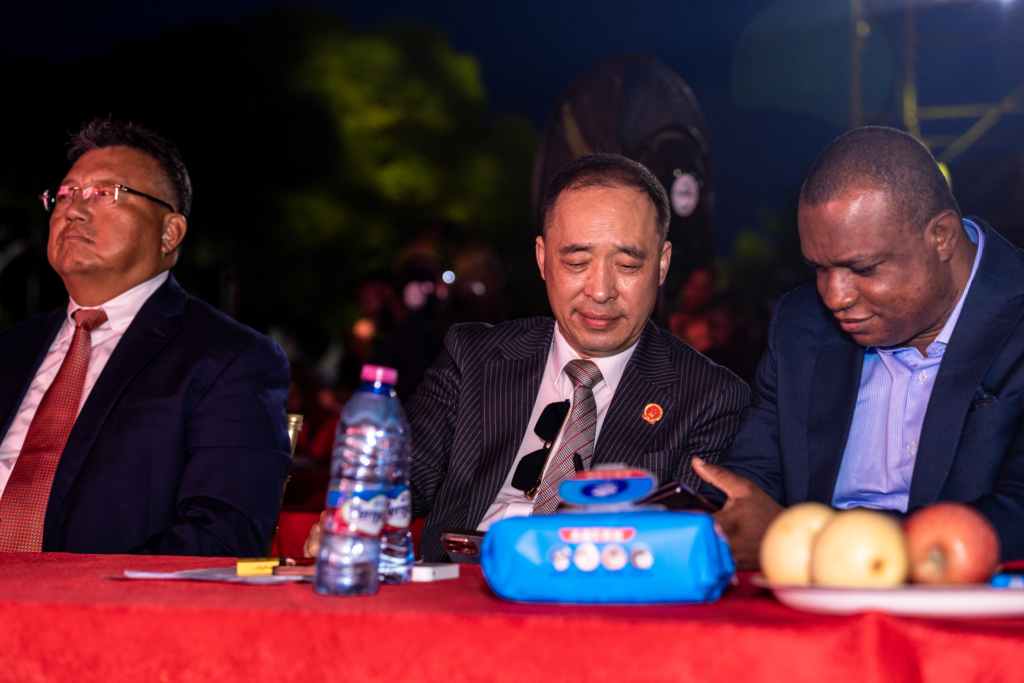
He noted that Ghana hosts a large Chinese community and stressed the importance of continuous engagement between the government and the Chinese community to ensure integration, safety, and respect for Ghana’s laws.
He acknowledged the contribution of Chinese businesses across sectors such as manufacturing, retail, and industry, while also stressing the need for strict compliance with Ghana’s laws, particularly in relation to illegal small-scale mining.
“I spoke about urging them to respect our laws. Illegal mining is something that this government is really fighting against. And so anybody, any foreign national that is in Ghana is not allowed to engage in small-scale mining,” he said.
The Minister further outlined defence cooperation between Ghana and China, including joint military training, scholarships for Ghanaian soldiers, and infrastructure support such as the construction of facilities for Ghana’s National Defence College.
“There are Chinese who come here to learn how we do things, to train in our terrain. And so there’s been joint military training with China. And also we go there for training. And so it’s built on cooperation. And we have a cooperation agreement with China.”
On his part, the Minister-Counsellor to the Embassy of the People’s Republic of China in Ghana, Li Yang, spoke extensively on China–Africa and China–Ghana relations, highlighting growing political trust, economic cooperation, and people-to-people exchanges.
He outlined developments in trade, investment, education, health, industrial development, and cultural exchange, describing them as pillars strengthening the strategic partnership between the two countries.
Mr Yang also emphasised the symbolic importance of the “Year of the Horse,” describing it in Chinese culture as a symbol of progress, loyalty, courage, and good fortune.
Also speaking at the event, the Chief Executive Officer of Zonda Tec, Yang Yang, explained the cultural symbolism of the horse in Chinese tradition, describing it as representing hard work, speed, positivity, and success.
She said the Chinese community in Ghana seeks to carry this spirit into their relationship with Ghanaians by working together, growing together, and contributing positively to society.
“Now, the Chinese community in Ghana is big. We have around 60,000 Chinese in Ghana. A lot of Chinese, where do you factories in Ghana and farming in Ghana.
“Actually, the Chinese in Ghana, we really have the spirit of the horse, and we merge with the Ghanaians, so we can run together. This is the right spirit we Chinese bring to Ghana,” she said.
The Minister for Food and Agriculture, Eric Opoku, used the platform to outline Ghana’s agricultural transformation agenda under President Mahama’s economic reset programme.
He described agriculture as the anchor of Ghana’s industrialisation strategy and invited Chinese investors to partner with Ghana in mechanisation, irrigation, agro-processing, oil palm development, industrial farming, and value-added production.
“Together, Ghana and China can build strong partnerships that will lead to mutual benefits, that will benefit both countries.
“Ghana is ready for business, and Ghana is your home. Let’s work together and get a living atmosphere that will deliver prosperity to the people of China and to the people of China,” he said.
The Minister added that Ghana is shifting from fragmented smallholder farming to structured commercial and industrial agriculture, positioning the country as a strategic investment destination and a gateway to the African market.
About the Author
