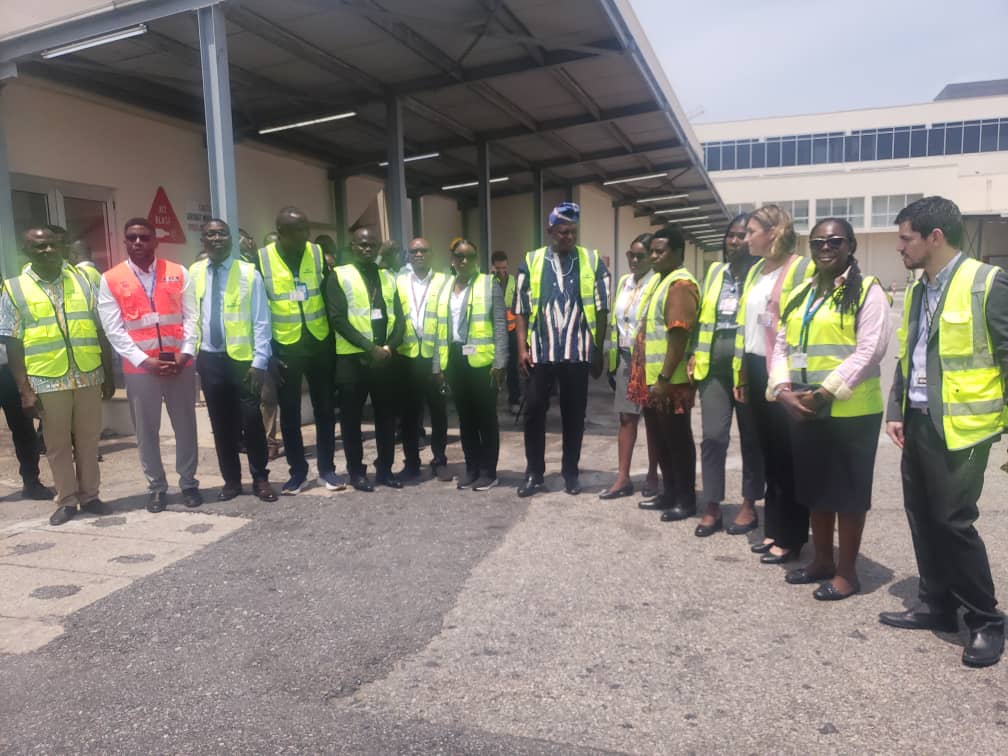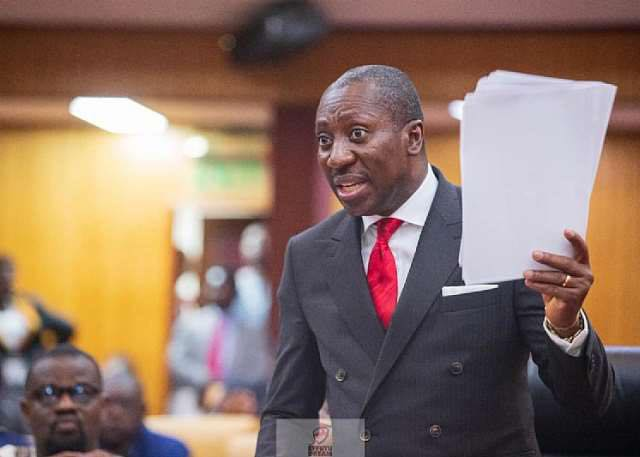
The CarbonXtras Project has reached a major milestone after completing nationwide baseline soil sampling and convening a high-level stakeholder workshop to advance Ghana’s efforts in real-time soil and carbon monitoring for climate-smart agriculture.
At the workshop, Deputy Director of the CSIR–Crops Research Institute (CSIR–CRI), Dr. Ernest Baafi, said the initiative has the potential to “revolutionise farming practices across Africa,” noting that real-time insights into soil health and weather patterns will strengthen farmers’ ability to adapt to climate pressures.
The project aims to deploy a Dynamic Real-Time Monitoring, Reporting and Verification (MRV) System capable of tracking soil health, carbon fluxes, temperature, moisture and greenhouse-gas emissions with high precision. According to the implementing partners, the system will support farmers, policymakers and researchers with timely data to guide decisions on productivity, sustainability and climate resilience.
Led by The James Hutton Institute (UK), CSIR–CRI (Ghana), Embrapa (Brazil) and Sonavision (UK), the project is being implemented locally in collaboration with DIPPER Lab at KNUST, AINAS and the Ministry of Food and Agriculture. It is funded through the UK–Brazil–Africa Climate-Smart Agriculture Partnership under the UK’s FCDO.
Before the workshop, the CarbonXtras team carried out extensive soil sampling in Tolon, Navrongo, Kintampo and Ejisu, where they met farmers and district agricultural officers. The team also introduced the RETINA mobile application, which enables farmers to record real-time field observations.
Lead Principal Investigator, Dr. Jagadeesh Yeluripati, said most farmers interviewed reported declining yields linked to changing weather patterns. “By deploying these real-time sensors, we hope to predict future conditions and guide farmers to intervene at the right moments,” he noted.
Co-Principal Investigator from Embrapa, Dr Beáta Emöke Madari, emphasised the importance of regenerative agriculture. She said biochar can significantly increase soil carbon when used properly, but stressed the need to balance carbon gains with biodiversity and broader ecosystem goals.
The Director of Research and Development at AINAS, Dr Enoch Bessah, argued that Africa must build its own capacity to measure nature-based assets. “For too long, Africa’s contribution to global climate regulation has been invisible, unmeasured and unrewarded… CarbonXtras gives us this missing capacity,” he said.
Lead Ghanaian Principal Investigator, Dr Caleb Melenya Ocansey, praised the collaborative spirit behind the project, saying large-scale scientific initiatives thrive only when strong networks and intentional partnerships are built.
The Ministry of Food and Agriculture, represented by Mrs. Esi Boatemaa Quansah, assured partners of continued government cooperation. “We are going to continue this collaboration so that the success of this project will be manifested for all of us to see. At the end of the day, what we truly want is to help our farmers,” she stated.
A high-level panel moderated by Dr Ocansey also explored how CarbonXtras’ MRV system could be integrated into Ghana’s Nationally Determined Contributions (NDCs) and potential carbon-market frameworks. He revealed growing interest from key ministries, including MESTI, MoFA and the National Communications Authority, which see the system as a scalable national infrastructure.
Scientific Director of DIPPER Lab, Prof. Eric Tutu Tchao, raised concerns about long-term data storage and digital security, stressing the need for robust infrastructure as the system scales nationally.
With soil sampling completed and strong engagement among scientists, policymakers and local partners, the project now moves into the next phase — expanding real-time monitoring tools and deepening institutional collaboration to support climate-smart agriculture across Ghana.
Partners expressed confidence that CarbonXtras will enhance agricultural resilience, improve carbon measurement systems and position Ghana more strongly within emerging global carbon markets.
About the Author