
Perched in the beautiful mountainous landscape of Berekuso, Eastern Region, is Ashesi University.
Surrounded by lush green vegetation, the campus blends seamlessly into the natural contours of the hills. But beyond this serene aerial view lies a different reality.
The primary access road, a 20.1-kilometre stretch from Dome to Kitase, intended to serve as a vital link between the Greater Accra Region and the Eastern Region, has become a hazard to road users.
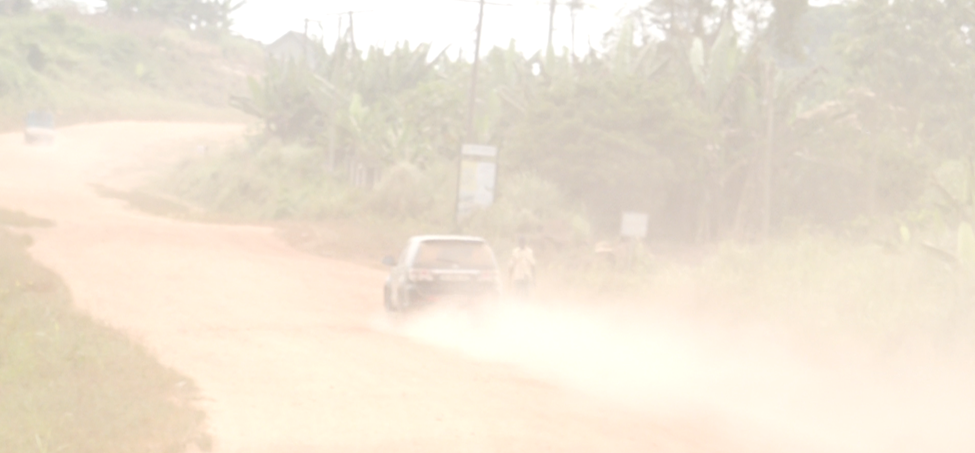
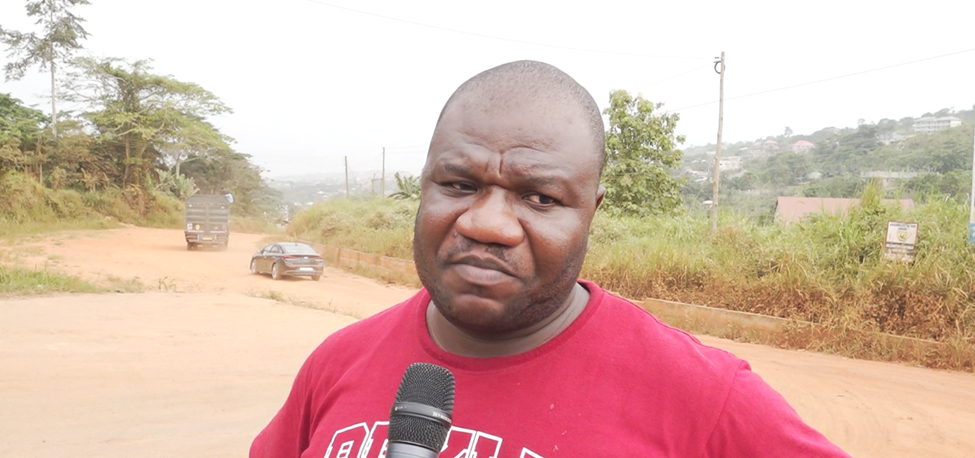
In Berekuso, where the school has been for the past 15 years, every passing vehicle lifts clouds of fine red-brown dust into the air. The Director of Logistics & Facilities Management at Ashesi University, Casper Annie, told JoyNews’ Pearl Ofori that the dust poses a real threat to the health of students and staff.
“A lot of the students commuting to this place suffer a lot and I fear that this may lead to a lot of respiratory problems in the future.”

Joy News’ Pearl Ofori speaking with the Director of Logistics & Facilities Management at Ashesi University, Casper Annie
The ripple effect of the dust is all-consuming. It settles everywhere. Shops, schools, homes and even the post station at the clean. Nothing is spared.
Nana Osae Sekyi II, Kyidomhene and Asabihene of Berekuso-Akuapem
Traditional leaders say the road has been neglected for far too long. Nana Osae Sekyi II, the Kyidomhene and Asabihene of Berekuso-Akuapem, says the community is fed up with empty promises from successive governments.
“I often ask myself what Berekuso has done to deserve this,” he says. “We have heard assurances from one government after another. But when you stand here and look at this road, nothing reflects those promises.”
The Daily Struggle for Drivers
For those who drive on the road every day, the toll is physical, financial, and emotional. William Amakye, who has spent 25 years plying the Kwabenya–Berekuso–Kitase stretch, laments how the bad road damages vehicles and leaves drivers frustrated.
“Our vehicles break down constantly, and the rough conditions leave us with body pains. It has affected our health, our work, and the way we live,” he said.
“If nothing is done, some of us may not even queue to vote for any politician, because it appears our pain is being ignored while our leaders live comfortably.”
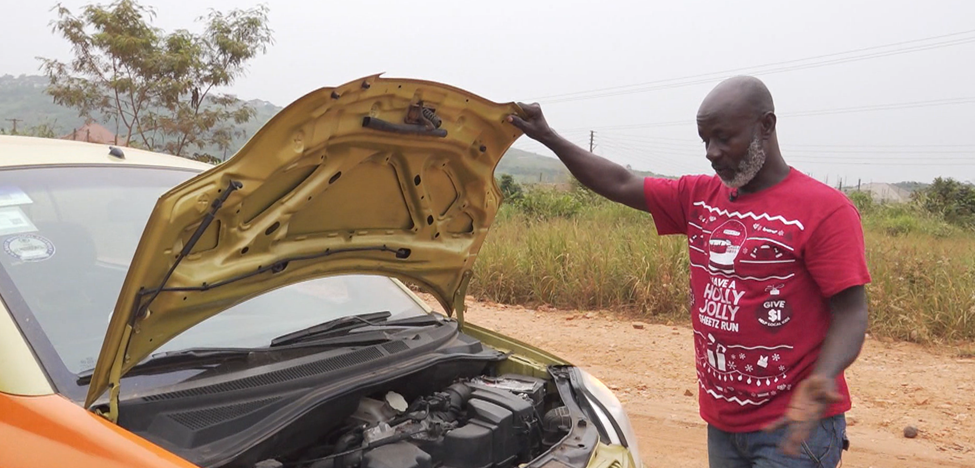
William Amakye opens his car bonnet to check for any potential damage caused by the road.
At the Tipper Truck Station in Kwabenya, Chief Driver Abdulai Seidu speaks about the daily struggles and damage caused by the road.
“Every weekend, we have no choice but to take our vehicles to the mechanic. If we skip it, we cannot work properly the following week because the constant bumps and potholes wreck our trucks. We’ve heard many promises from authorities but nothing is happening.’’
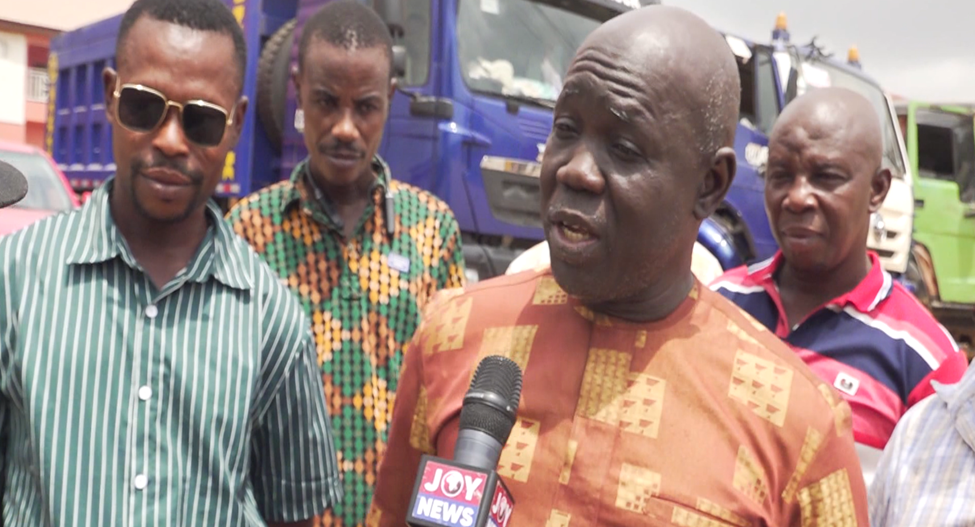
Abdulai Seidu, Chief Driver at the Tipper Truck Station in Kwabenya, pictured with his team, talks about the harsh realities of navigating the road daily
Residents and commuters along the Kwabenya–Berekuso–Kitase stretch warn that without swift intervention, the road will continue to endanger lives, restrict access to essential services and hamper the economic activities of surrounding communities.
About the Author
