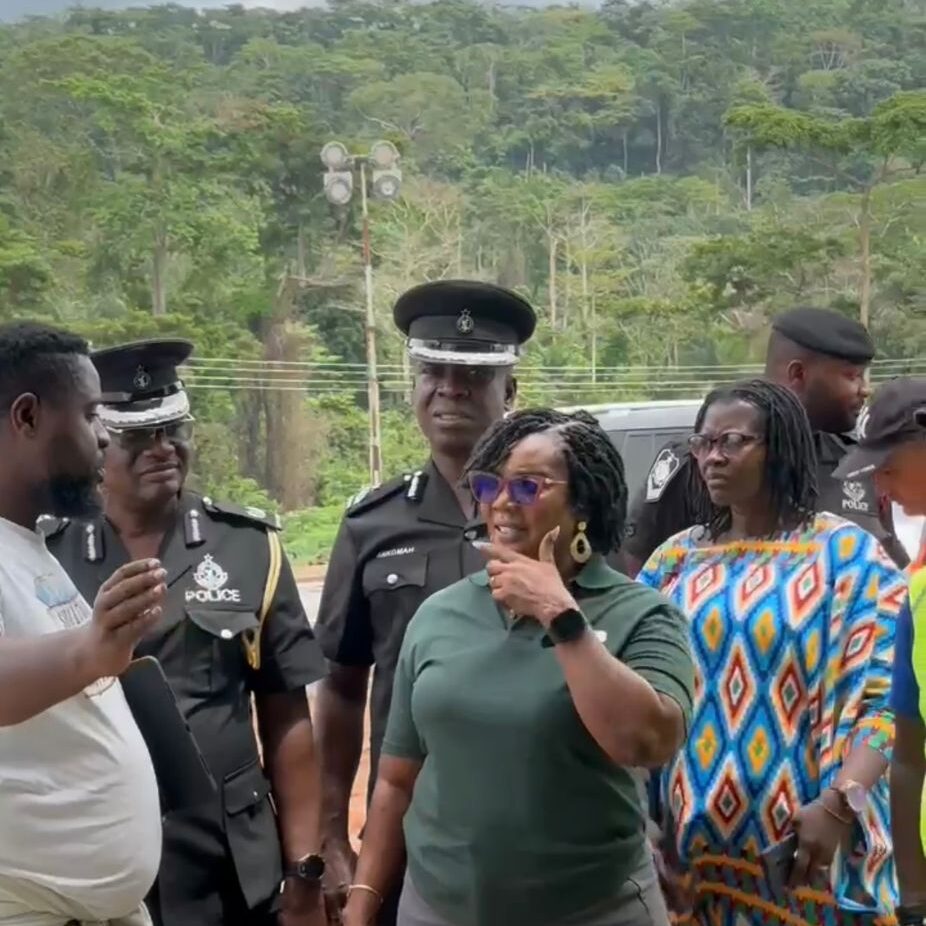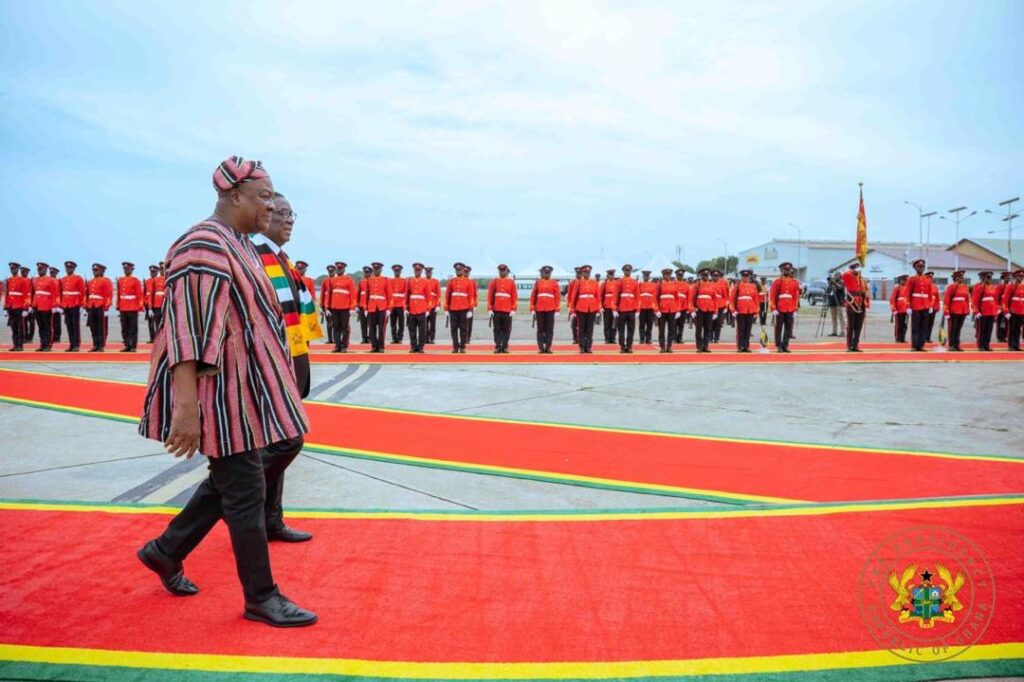
They shook hands in Accra on Tuesday. EU High Representative Kaja Kallas and Ghana’s Vice-President Naana Jane Opoku-Agyemang signed what Brussels proudly calls the first comprehensive Security and Defence Partnership between the European Union and any African nation. Drones, armoured vehicles, motorcycles—gifts from the European Peace Facility—were handed over with smiles for the cameras. The stated goal: fight jihadists creeping down from the Sahel and secure the Gulf of Guinea against pirates.
The very next day—literally the day after—Ghana’s own resolution at the United Nations declaring the trafficking and racialised enslavement of Africans “the gravest crime against humanity” was put to the vote. One hundred and twenty-three countries said yes. The United States, Israel and Argentina said no. Fifty-two countries, including every single EU member state, abstained. Europe could not bring itself to call slavery by its proper name.
The timing is not a coincidence. It is contempt.
This is not partnership. This is the oldest trick in the colonial playbook, dressed up in 21st-century PowerPoint: offer security assistance to a vulnerable state while your own governments still refuse to acknowledge the foundational crime that impoverished the continent. Ghana, the cradle of pan-Africanism, the nation that led the charge for reparatory justice at the UN, has now opened its doors to the very bloc that turned its back on that justice. Nkrumah must be spinning in his grave.
Let us speak plainly, the way we used to before donor money bought our silence.
France has spent the last decade bleeding the Sahel—first with Operation Barkhane, then with quiet retreats from Mali, Burkina Faso and Niger after those countries told Paris to pack its bags. Uranium mines in Niger, gold in Burkina, migration routes to Europe—these were never about “fighting terrorism” alone. They were about keeping a grip on resources and keeping Africans south of the Mediterranean. Now that direct military occupation has become politically toxic, the EU has found a willing partner in Ghana: a stable democracy, English-speaking, strategically placed on the Gulf of Guinea. A beachhead.
Make no mistake. This deal is not about Ghana’s security. It is about Europe’s. It is about creating a buffer state that can be armed, trained and directed to do the heavy lifting while European capitals continue to extract what they need from the Sahel without the bad optics of foreign boots on the ground. The same Europe that lectures Africa on democracy and human rights is now quietly building a military architecture across West Africa that looks suspiciously like the US encirclement of the Persian Gulf.
Ask the Iranians how that story ends.
While Washington surrounds Tehran with bases and aircraft carriers, Brussels is quietly doing the same in our backyard—only this time the invitation was printed on Ghanaian letterhead. The message to the rest of Africa is clear: fall in line, accept the guns and the training, or watch your neighbours burn.
Pan-African voices are already rising. The Economic Community of West African States (ECOWAS) is split. Mali, Burkina Faso and Niger—now aligned in the Alliance of Sahel States—have issued sharp statements warning that “European military pacts undermine African sovereignty.” South Africa’s ruling ANC called it “a dangerous precedent that echoes the Scramble for Africa.” Even within Ghana, seasoned voices from the Convention People’s Party and the smaller leftist parties are asking the obvious question: why sign with the EU in the same week it refused to recognise the greatest crime ever committed against our people?
This is not anti-European hysteria. This is historical memory refusing to die. We remember the Berlin Conference. We remember the French franc zone that still drains our economies. We remember how every “security partnership” since independence has come…
Written by NeeLante Bruce, Accra, 1 April 2026
About the Author