Findings from the PwC Africa Workforce Hopes and Fears Survey indicate that Artificial Intelligence (AI) will transform 49 per cent of jobs in Africa within three years.
The survey also reveals that whilst AI introduces uncertainty, 64% of African workers feel confident in their job security. 49,843 workers were surveyed in 48 countries across 28 sectors.
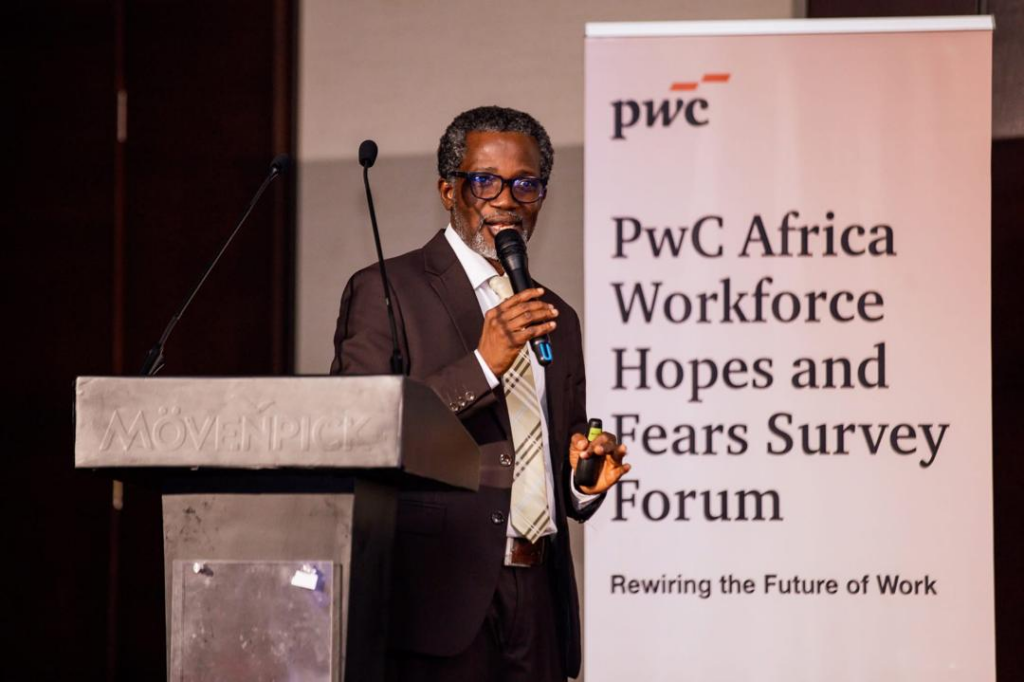
In the presentation of the key findings at the Mövenpick Hotel in Accra by Associate Director, Workforce Transformation, PwC Ghana, David Tsey, it was revealed that overall, AI use is strong. 64 % of African workers used AI at work in the past year, above the 54% global average. It also indicated that only 17% used AI daily.
Mr Tsey indicated that there is significant excitement and curiosity across Africa regarding the use of Artificial Intelligence (AI).
According to him, many employees are optimistic about how AI will transform the workplace. He explained that there is “a lot of excitement, a lot of curiosity, and a lot of positive feeling” about the impact AI will have on work.
Meanwhile, the CEO of the Fair Wages and Salaries Commission, George Smith-Graham, emphasised that Ghana has reached a stage where AI is being adopted to enhance productivity within the public service.
He noted that if productivity improvements are not achieved through AI, the country risks paying employees who are not working as effectively as expected.
Dr. Smith-Graham further stressed that salary increases should no longer be automatic but must be directly linked to measurable productivity.
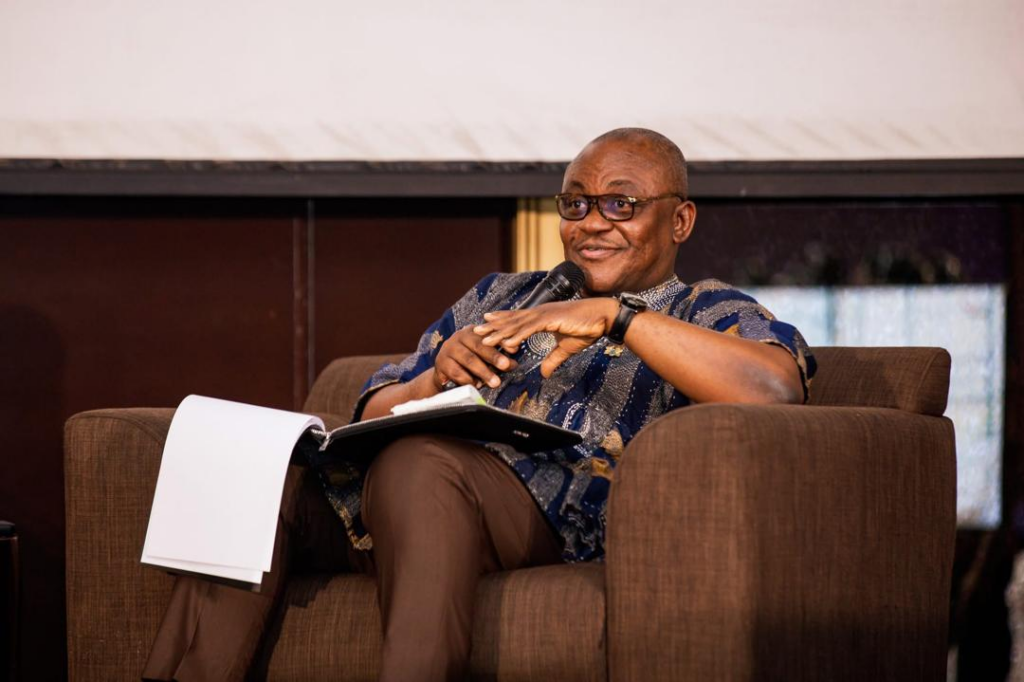
According to him, Ghana has moved beyond the point where employees can simply demand salary increments without demonstrating improved performance. Instead, compensation growth must now be tied to increased efficiency and output, supported by AI adoption.
He said, “But what I take for me is that we’ve gotten to a stage where we are not going to just allow employees coming and just asking for salary increases. But we need to make sure that the increases are linked to productivity”
The survey also reveals that whilst AI introduces uncertainty, 64% of African workers feel confident in their job security.
The Forum debated how employers can proactively manage employee fears by investing in reskilling and upskilling programmes that enable workforce transformation without denting trust.
Workforce Transformation Africa Leader at PwC South Africa, Dr Dayalan Govender, advised leaders to understand their organisation.
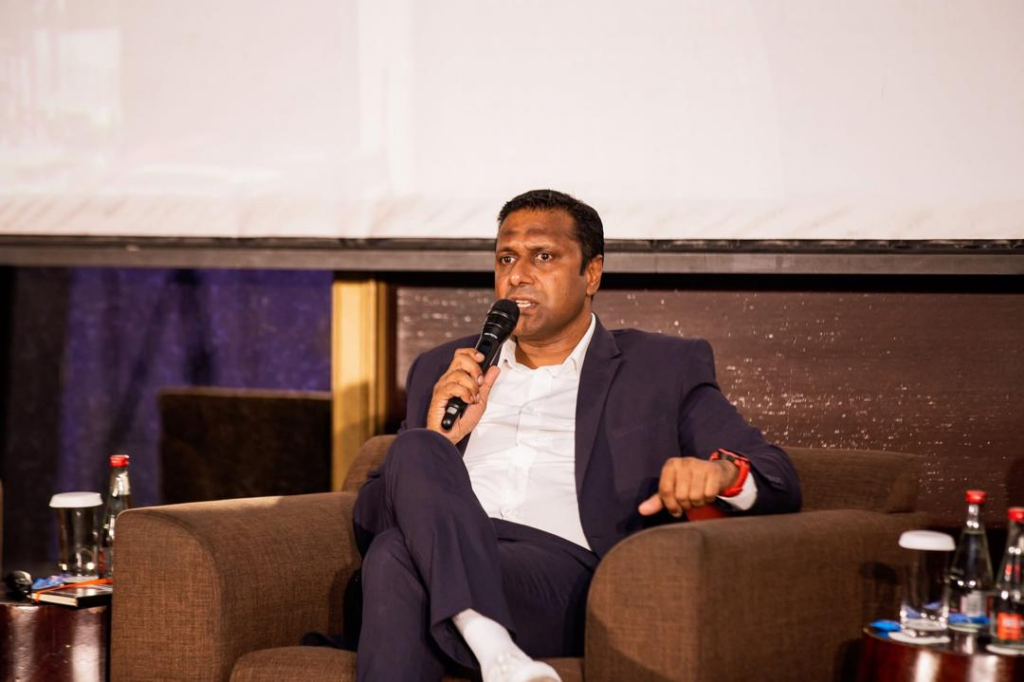
He said, “What makes your employees tick? Next thing is, you get those millennials, or you get this Gen Z coming to your business. You know what they like? They like flexibility in terms of how they work. It’s more output-driven. But we want to see your output.”
A Partner, Consulting and Risk Services at PwC Ghana, Winfred King, said leaders must be prepared to lead the change.
He outlined how leaders can effectively integrate upskilling, technology-driven transformation and human-centred approaches to build sustainable performance and ensure well-being across Africa’s diverse workforce.
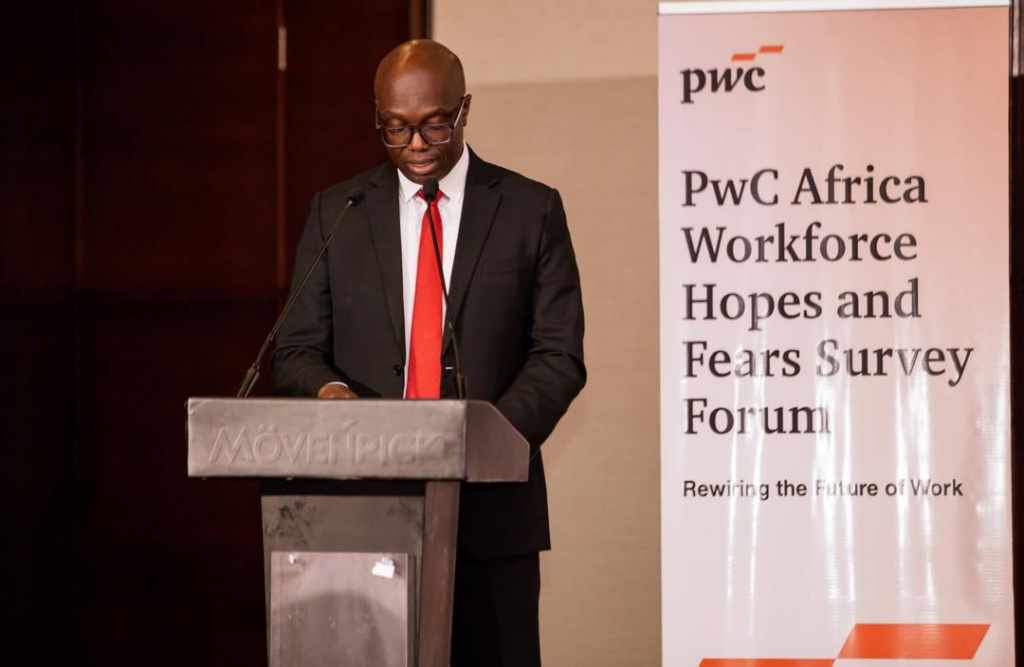
The PwC Africa Workforce Hopes and Fears Survey Forum brought together leading voices from industry, academia, government and policy to explore how Africa can rewire the future of work in ways that deliver sustainable performance and build lasting trust at a time when Artificial intelligence and rapid technological acceleration are rewiring workplaces across Africa.
About the Author