The Founding President of the RNAQ Foundation, Richard Nii Armah Quaye, has urged African businesses to place young people at the centre of their long-term growth strategies, warning that failure to invest deliberately in youth development could undermine the continent’s economic future.
Speaking at the Africa Prosperity Dialogue on Thursday, February 5, Mr Quaye said Africa’s future workforce and consumer base already exist and are overwhelmingly young, making youth empowerment a business imperative rather than a philanthropic choice.
“The future workforce of African businesses is already here. The future customer base of African companies is already here. And that future is young,” he said.
“If we get youth right, African businesses will thrive for generations. If we get it wrong, no amount of capital, policy reform, or trade agreements will save us.”
Drawing from his personal journey, Mr Quaye said his advocacy was shaped by lived experience rather than theory.
He recounted starting his business career in his early 20s with £1,000 in personal savings, without inherited wealth or institutional backing.
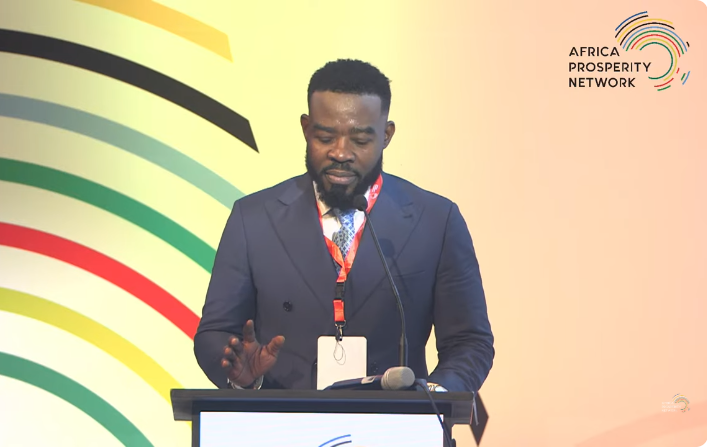
“I speak to you today not as a theorist, but as a builder,” he said, noting that his success was forged through discipline, resilience, and a relentless willingness to learn.
“There were no shortcuts and no overnight success. Every milestone came through long hours, difficult decisions, failure, and an uncompromising work ethic.”
He said, like many young Africans, he was underestimated by the system but remained driven by curiosity and a readiness to take responsibility earlier than expected.
That journey, he noted, has since grown into what is now Africa’s largest microfinance institution, operating in eight countries.
“Operating in eight African countries and lending to more than 20,000 small businesses every single week. Across this journey, our businesses now employ over 30,000 young people across Africa, many of them building their first real careers inside African institutions,” he said.
Mr Quaye said the scale of that growth demonstrates what is possible when young people are trusted, supported, and integrated into real economic systems.
He stressed that Africa’s demographic advantage can only translate into prosperity if businesses actively invest in developing youth talent.
About the Author