Traders and residents at Accra’s Kaneshie Market joined an open discussion on sexual and reproductive health, hosted by the Adom FM Dwaso Nsem team in partnership with the Centre for Democratic Development-Ghana (CDD-Ghana) during a sensitisation exercise.
The outreach focused on key issues, including teenage pregnancy, abortion, contraceptives, and family planning. The engagement aimed to encourage informed decision-making and improve public understanding of reproductive health rights.
The exercise was informed by findings from the Afrobarometer survey, which examined Ghanaians’ views and experiences regarding sexual and reproductive health and rights.
According to the survey results, a majority of citizens believe women should have the freedom to make decisions about marriage and reproduction.
Many respondents also support the view that girls who become pregnant should still be allowed to continue their education, while sex education in schools also enjoys broad public support.
However, the study revealed mixed opinions regarding access to contraceptives for sexually active individuals regardless of age.
Views were also divided on abortion, although many respondents said the procedure may be justified if the life or health of the mother is at risk.
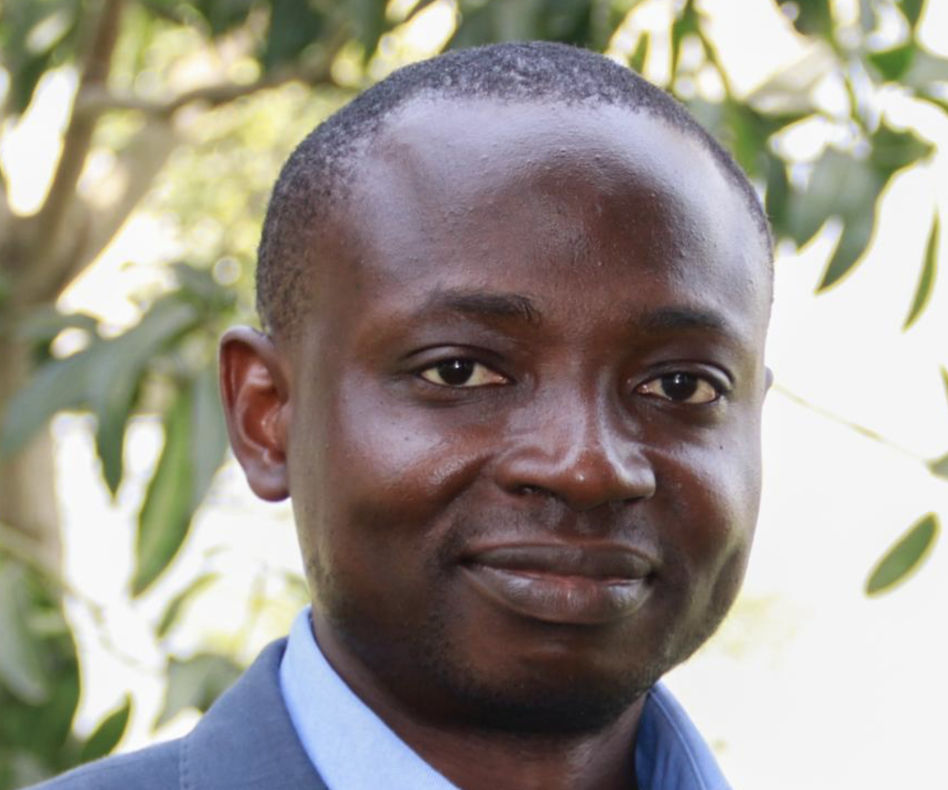
During the discussion, a representative of Marie Stopes International, Samuel Yemetey, explained the different family planning options available to individuals and couples.
He stressed that medical consultation remains essential before selecting any method.
“It is important for people to seek counselling and medical assessment so that health professionals can determine which family planning option is suitable for them,” he said.
Mr Yemetey also addressed some misconceptions surrounding contraceptives.
“We encourage citizens to learn more about their reproductive health rights, while policymakers must also implement people-centered policies that improve access to reproductive health services,” she stated.
The Kaneshie Market Queen, Lydia Naa Koowa Quaye, also urged Ghanaians to take the sensitisation seriously and discuss reproductive health issues openly within families.
“Couples must be honest and transparent with each other about family planning and the number of children they want,” she advised.
She further encouraged men to support their partners in matters relating to reproductive health.
“Men should support their wives in making decisions about reproductive health because the consequences often affect the woman more,” she said.
However, she cautioned against abortion except in medical situations.
“Women should be careful about abortion unless it is for medical reasons. Children are blessings from God, and sometimes the woman is the one who carries the pain and consequences alone,” she added.
About the Author