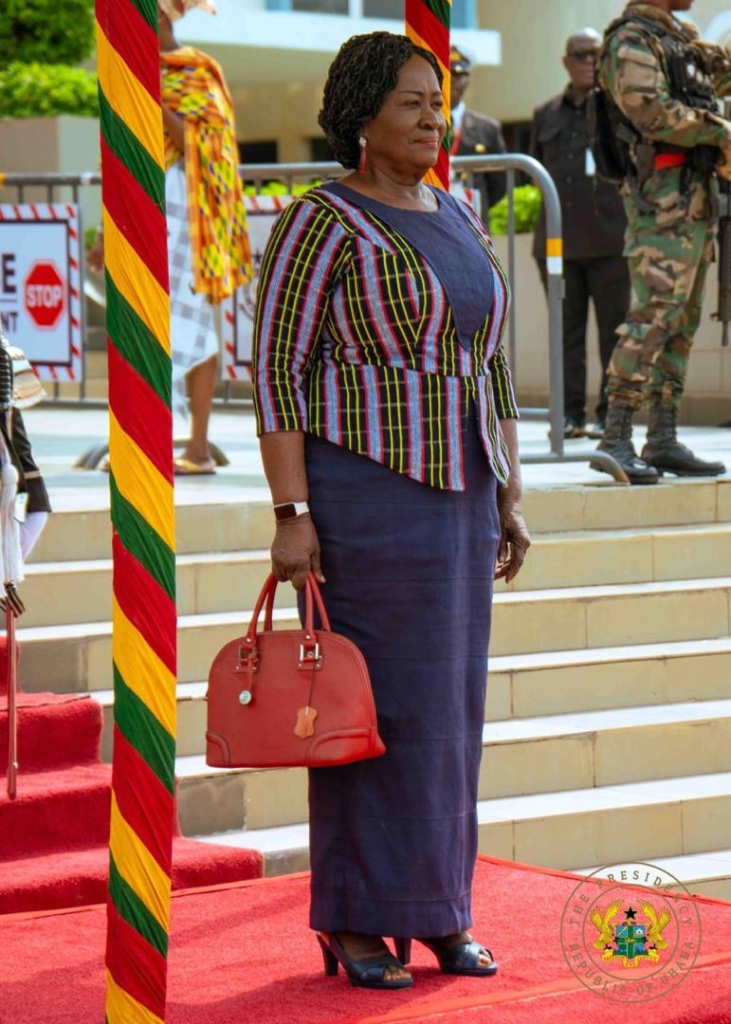
Dr Kwabena Bempah Tandoh, a former Deputy Director-General of the Ghana Education Service (GES), has mounted a robust defence of the double-track system introduced in Senior High Schools, labelling it an “absolutely worth it” journey that salvaged the futures of over a million Ghanaian children.
Speaking in a reflective interview on JoyNews’ Personality Profile with Emefa Akosua Adeti on Friday, February 27, Dr Tandoh, who spent seven years at the Ghana Education Service (GES), credited the system with providing a lifeline to students who would have otherwise been shut out of the senior high school cycle due to infrastructure deficits.
Dr Tandoh dismissed criticisms of the policy by pointing to the sheer scale of its impact. He noted that the “novice idea” was the primary vehicle for expanding secondary education access during his tenure.
“Had it not been for the double track… some almost 1.3 million people, 1,274,000 or so children, had access to school beyond what would have been possible. On the fact that the novel idea has been able to provide opportunity for another 1.3 million kids to have access to a teacher, I believe it’s absolutely worth it,” Dr Tandoh stated.
The Double-Track System was introduced as a temporary measure to manage the surge in enrolment following the implementation of the Free Senior High School (FSHS) policy. By splitting the student body into two separate tracks, the government was able to utilise existing facilities year-round.
While the system faced scrutiny regarding the length of holidays and the pressure on teaching staff, Dr Tandoh’s assessment reinforces the government’s stance that the “social intervention” of access outweighed the logistical hurdles.
Even though the system increased enrolment, it led to reduced contact hours, compelling stakeholders to demand cancellation of the policy.
A little over a year since exiting his role, Dr Tandoh shared a rare glimpse into the internal culture of the GES. Despite the high-pressure environment of managing one of the country’s most significant educational shifts, he described a “truly cordial” working atmosphere.
While he acknowledged the Director-General’s role at the top of the hierarchy, he spoke warmly of the service’s presence at every level of the country’s administrative structure, from national offices down to regional, district, and school units.
“I miss my colleagues, you know. Beyond the work, I miss my colleagues… the really cordial environment that we worked in. Ghana Education Service is truly a service,” he remarked.
About the Author