Until Sunday, December 28, 2025, Mozambique had never tasted victory at the TotalEnergies Africa Cup of Nations. Sixteen matches, spread across decades, had passed without a single celebratory dance.
That long wait finally came to an end at the Grand Stade d’Agadir, where the Mambas stunned Gabon 3–2 to write one of the most emotional chapters in their football history.
The result was historic on two fronts: it marked Mozambique’s first-ever AFCON victory and sealed their maiden qualification to the knockout stages, in what is only their sixth appearance at the continental showpiece.
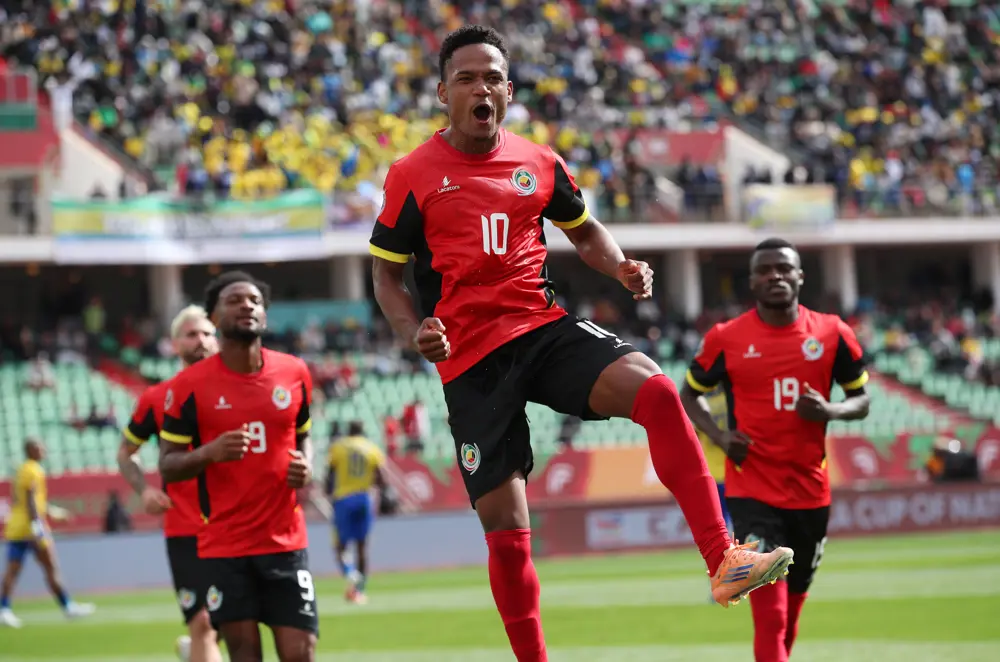
“I still don’t have the words to explain this feeling,” said Reinildo Mandava, one of the most experienced figures in the squad. “I can’t find the right words to explain what I am feeling, and what everyone in the team is feeling. I am proud of myself, proud of the team, and proud of what the coach has done with this group.”
The 31-year-old defender, who has represented Mozambique for 12 years since making his senior debut in 2013, knows better than most what this breakthrough means. And the emotion, he insists, stretches far beyond the dressing room.
“Everyone at home is happy. The mood is very positive, and everyone I speak to is excited for us,” he added.
For Mozambique, this triumph is the reward for years of perseverance and heartbreak. From their AFCON debut in 1986, when an eight-team tournament ended with three defeats and seven goals conceded, to decades of near misses, progress had often felt painfully out of reach.
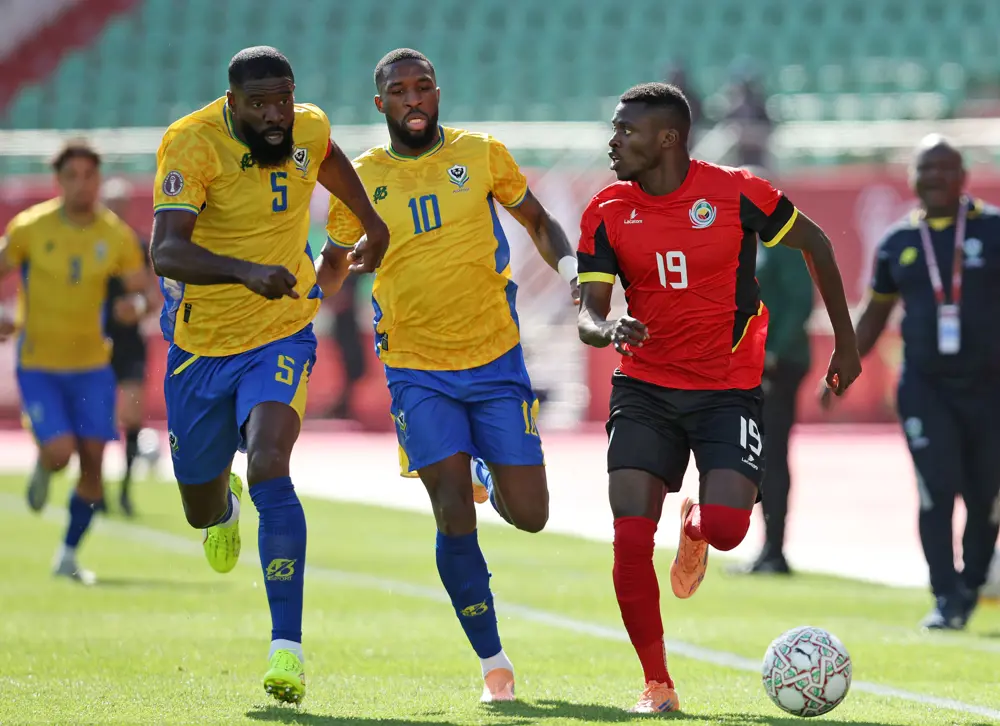
Their current head coach, Chiquinho Conde, knows that journey intimately. A 20-year-old midfielder in the 1986 squad, he returned as a player in 1996 and later captained the side in 1998, enduring campaigns that yielded little reward.
Now, as head coach, Conde has finally achieved what eluded him as a player.
“I was part of this team for many years and we lost all the time,” he told CAFOnline, a broad smile spreading across his face. “It was discouraging and heartbreaking because we always put in so much effort but never got the result. To achieve this now, with this new generation, means everything to me.”
Conde’s impact has been built patiently. Appointed four years ago, he introduced a clear structure and long-term project aimed at transforming Mozambican football.
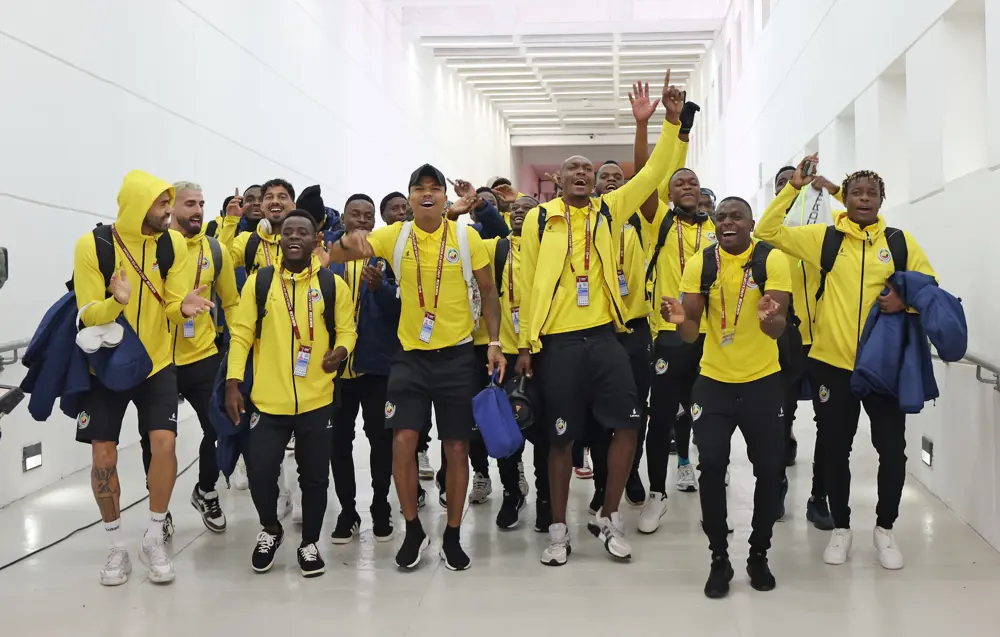
“We created a model and adapted it to the qualities of our players,” he explained. “We identified our weaknesses, especially defensively, and started by changing the mindset. It was difficult at first, but we kept working, and the players began to believe.”
His approach was meticulous. A pool of 50 players was tracked in a database, forming the backbone of a disciplined selection process—one that did not escape criticism.
“It wasn’t easy,” Conde admitted. “But I selected players I believed in, and the important thing was that they believed in me. We worked with strict principles. If someone didn’t accept them, they had to leave. My way is structure, hard work, and discipline.”
The reward for that conviction is now tangible. That solitary win over Gabon has transformed belief across the squad and the nation watching from home.
“This is special for us,” Conde said. “Our people needed this. They go through a lot, and we have a responsibility to make them happy. Football does that. These players are now stars—they have taken their place in Mozambique’s history.”
Reinildo echoed his coach’s sentiments, dedicating the moment to the nation.
“This is for the people of Mozambique,” he said. “They supported us even when we weren’t winning. Now, they deserve this joy.”
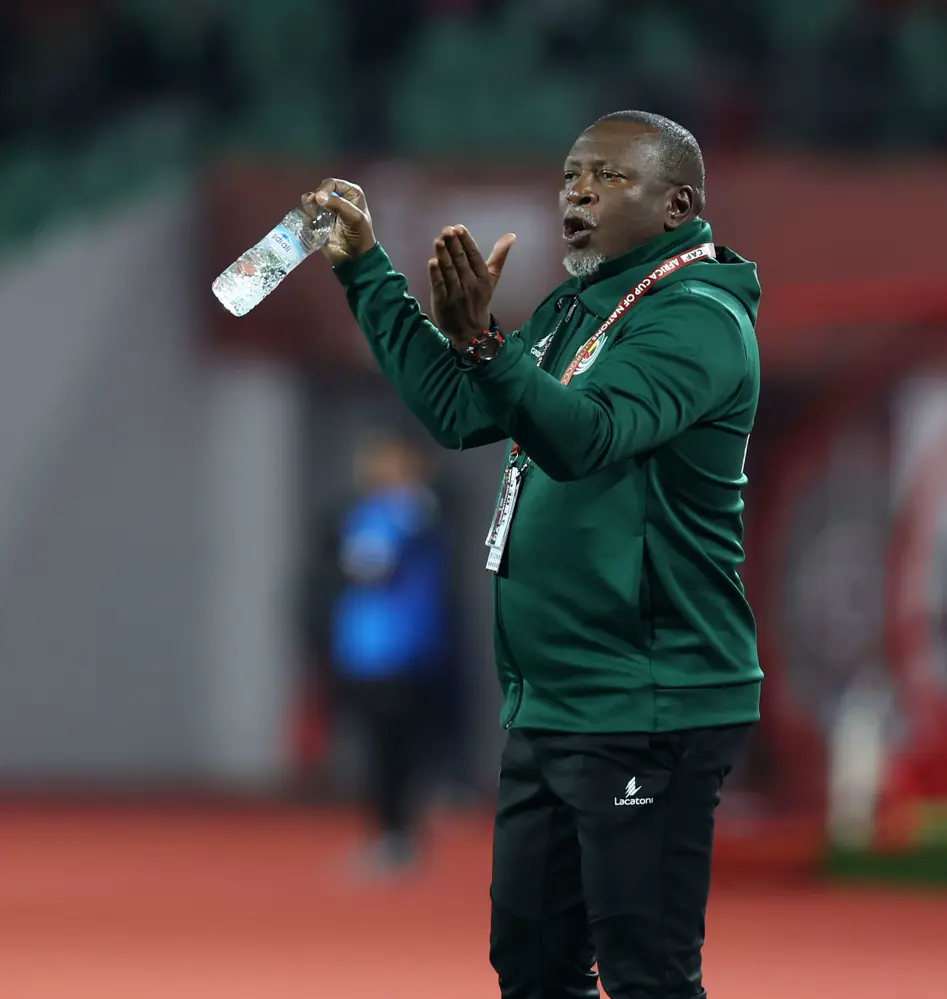
With belief soaring, expectations have risen too. Mozambique will turn their attention to the Round of 16, where a blockbuster meeting against Nigeria awaits on Monday night, and a possible stab at another piece of history.
“For our country, football is everything,” Conde concluded. “We will do everything possible to keep making our people and our nation proud.”
About the Author