The Millennium Development Authority (MiDA) has begun a major push to transform Ghana’s Volta Basin into a network of agro-industrial hubs aimed at driving agricultural productivity and supporting the 24-hour economy agenda of former President John Dramani Mahama.
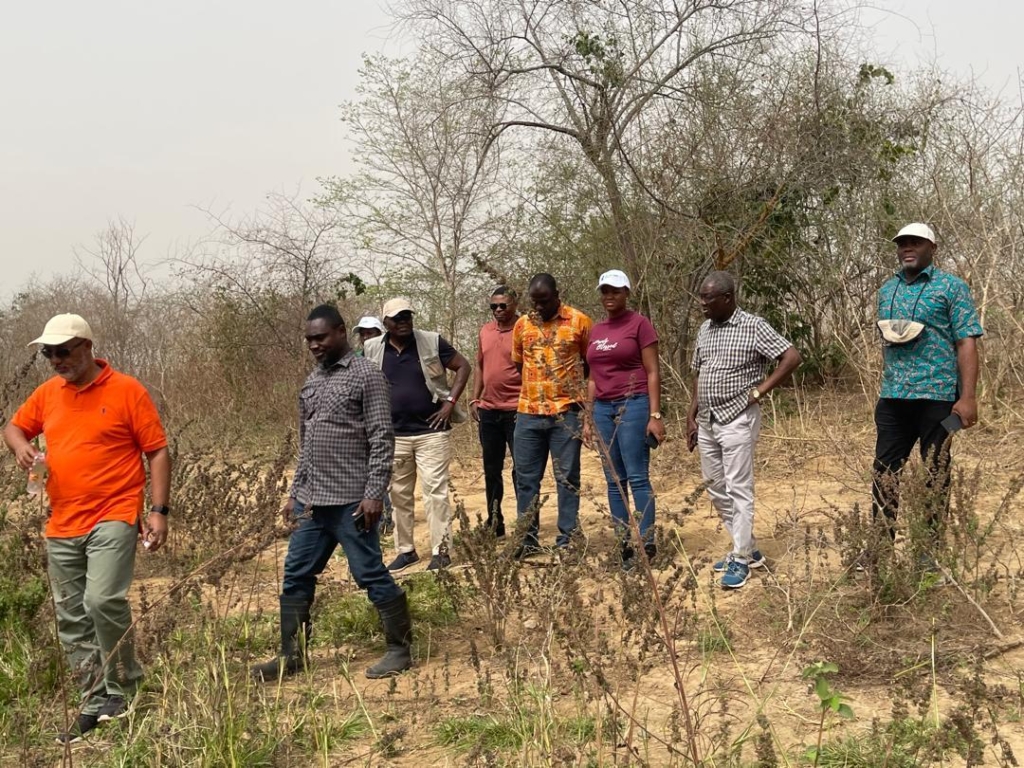
A high-level delegation led by MiDA Board Chairman Charles Abugre and Chief Executive Officer Alexander Kofi-Mensah Mould recently toured key farming corridors along the White and Black Volta rivers to assess sites for the establishment of Agro-Ecological Parks (AEPs).
The tour took the team across several agricultural zones in the Oti and Northern regions, where officials observed what they described as significant untapped potential for large-scale farming, irrigation and agro-processing.
Building Integrated Agro-Industrial Zones
According to MiDA, the proposed Agro-Ecological Parks will serve as integrated production zones designed to support year-round farming, food processing, storage, logistics and export.
Speaking after the visit, Mr. Mould said the initiative is intended to move Ghana beyond subsistence agriculture to a more industrialised system that creates jobs and strengthens the country’s food security .
“We are not looking at farming alone,” he said. “The vision is to develop complete agro-industrial ecosystems where production, processing, storage and logistics work together to boost productivity and expand export opportunities.”
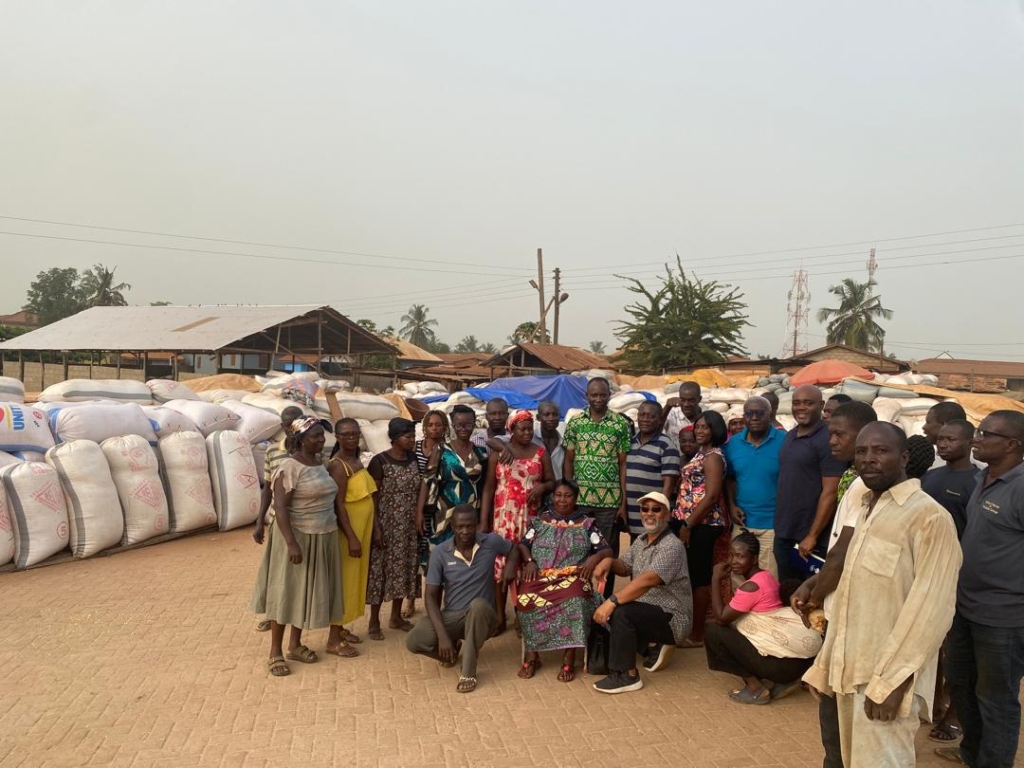
He explained that the initiative aligns with broader efforts to strengthen value chains in crops such as rice, vegetables, fruits and other high-value commodities.
Transport Challenges at Dambai
During a stop at Dambai in the Oti Region, the delegation identified transportation challenges that could affect economic activity along the proposed agricultural corridor.
Officials noted that the current ferry system serving the area is slow and unreliable, with commuters sometimes waiting more than three hours to cross the river.
Mr. Mould said improving transport connectivity in the area is essential if the corridor is to attract investment and support large-scale agricultural production.
“A modern agricultural corridor requires efficient transport infrastructure,” he said, stressing the importance of improving river crossing facilities to enhance market access and mobility.
Infrastructure Gaps in Northern Ghana
The delegation also visited parts of the Northern Region, including the Katanga Valley, where officials identified three potential sites suitable for irrigation dam development.
Plans are also being considered for the establishment of an agro-industrial processing zone around the Salaga area to support agricultural value addition.
However, the team observed that some facilities built under the One Village One Dam initiative in communities such as Zoggu and Tamaligu were incomplete or not functioning as expected.
Mr. Mould stressed the need for infrastructure projects to meet proper engineering standards to ensure long-term agricultural development.
Mr. Mould said the long-term goal is to transform agricultural corridors across Northern Ghana into engines of growth capable of supporting jobs, exports and food security.
“With the right infrastructure, irrigation systems and partnerships, these regions can become major agricultural production centres for Ghana,” he said.
About the Author