
The Western Railway Line is emerging as one of Ghana’s most strategic transport corridors, with the potential to drive economic growth, create jobs, and sustain the nation’s railway sector.
Speaking during a two-day working visit to the Western Region, Dr Frederick Appoh, Chief Executive Officer of the Ghana Railway Development Authority (GRDA), described the corridor as the country’s most profitable for freight operations.
“Even at a conservative estimate of $10 per ton, the Western Railway Line could transport 40 million metric tonnes annually that’s about $400 million in revenue,” Dr Appoh said. “This corridor is critical for developing Ghana’s entire 3,200-kilometre railway network.”
He explained that while passenger services are essential, they rarely generate profit and depend heavily on government subsidies.
“Passenger rail services anywhere in the world operate at a loss. In China, the government spends $47 billion annually. In the UK, around £15 billion. In Kenya, $83 million. Freight revenue is what makes railway systems sustainable,” he added.
The GRDA plans to launch freight operations along the Tema-Mpakadan line by the second quarter of this year. Cargo services on the Western Railway Line will strengthen revenue streams, allowing the railway to sustain both passenger and freight services.
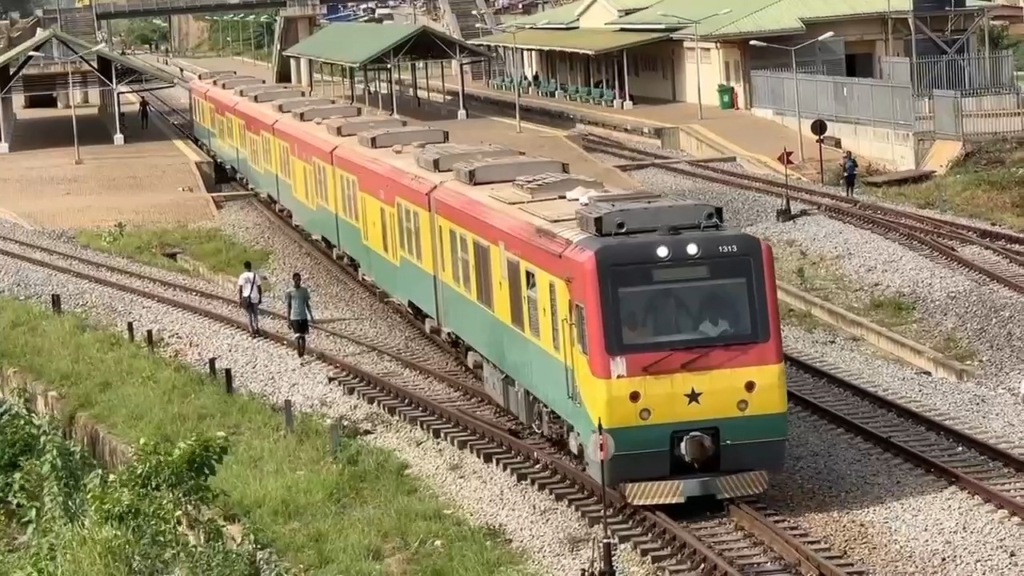
Dr Appoh also highlighted plans to rationalize the workforce and streamline operations under the amended railway act, creating a single entity to manage development, operations, and regulation efficiently.
The Western Regional Minister, Joseph Nelson, welcomed the developments, emphasizing both commuter convenience and infrastructure protection
“The traffic between Takoradi and Kojokrom during peak hours is often unbearable. A functional train service will provide an alternative for commuters. Additionally, hauling heavy cargo like bauxite or manganese by rail will prolong the life of our roads, which are already showing signs of deterioration,” he said.
Dr Appoh concluded that the Western Railway Line is not just rails and trains, it is an economic lifeline. Freight operations here will create jobs, protect infrastructure, and secure Ghana’s railway system for years to come and this is where their focus lies.
About the Author
