Ghana says it is drawing lessons from Australia as it moves ahead with plans to introduce a 24-hour economy, aimed at boosting productivity through multi-shift labour systems.
The Minister for Lands and Natural Resources, Emmanuel Armah Kofi-Buah, said Australia’s experience, particularly in its service and industrial sectors, offers valuable insights as Ghana explores ways to expand economic activity beyond traditional working hours.
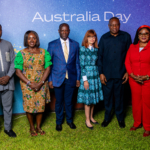
Speaking at celebrations to mark Australia Day in Accra, the minister reaffirmed Ghana’s appreciation for Australia’s long-standing investment and development support, especially in the extractive sector.
“Ghana deeply appreciates Australia’s meaningful contribution to our development, particularly in the extractive sector where Australian companies have played an important role through responsive investment,” he said.
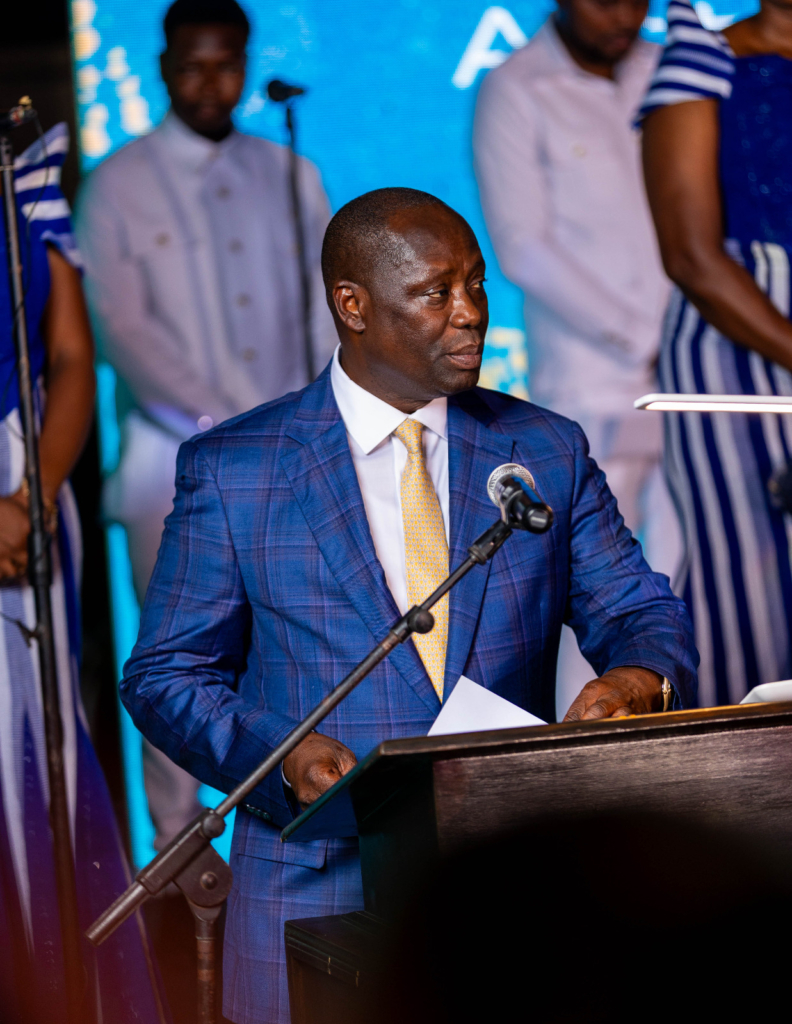
Mr Kofi-Buah also welcomed the planned launch of the Australian Centre for International Agricultural Research office in Accra, describing it as a sign of Australia’s forward-looking engagement with Ghana and Africa.
He said the new office would strengthen collaboration in key areas such as climate change adaptation, food security and agricultural development.
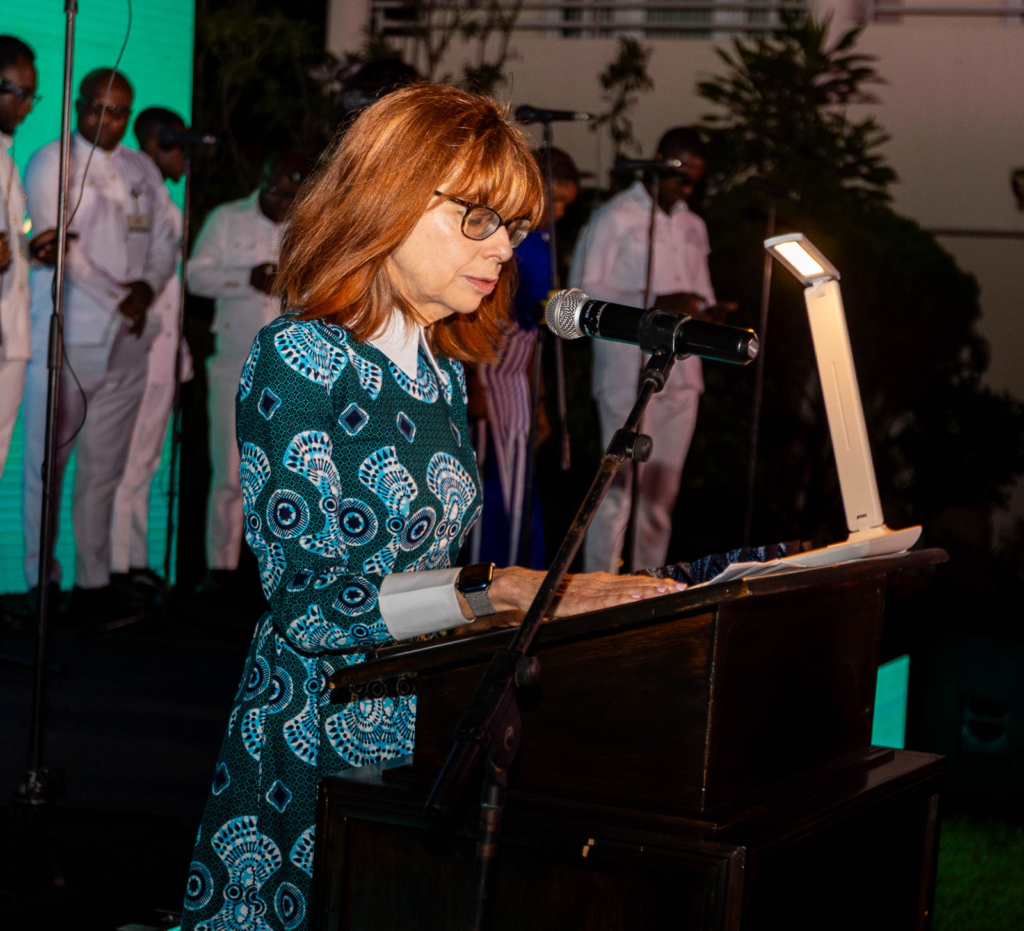
Australia’s High Commissioner to Ghana, Berenice Owen-Jones, pledged continued commitment to deepening relations between the two countries. She noted that the global environment is facing growing uncertainty, with increasing pressure on the international rules-based order.
“This moment requires more diplomacy,” she said, adding that Australia would continue to work through existing and new coalitions, as well as within multilateral institutions. Ms Owen-Jones said both Ghana and Australia share both an opportunity and a responsibility to support each other as they navigate global challenges and pursue sustainable development.
The Ghana–Australia relationship has strengthened over the years through trade, investment, and development partnerships. Australia has been a key partner in Ghana’s extractive and agricultural sectors, while both countries continue to collaborate on education, climate initiatives, and capacity building.
Officials from both nations say that the relationship is underpinned by shared values, mutual respect, and a commitment to promoting sustainable economic growth in Africa.
About the Author