Ghana’s economy has performed better than expected in 2025, defying scepticism over whether the country was being pushed through its IMF programme without merit.
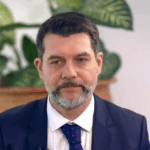
That was the clear message from the IMF Resident Representative in Ghana, Dr Adrian Alter, as he responded to concerns about the credibility of the Fund’s latest assessment of Ghana’s programme.
Asked on Joy News’ PM Express Business Edition on Thursday whether the IMF Board genuinely assessed Ghana’s performance or merely wanted the country to pass, Dr Alter said the programme remains solid and firmly on track.
“Ghana’s programme remains solid and on track with the fifth review being completed, and disbursement being done at the end of December,” he said.
He added that total disbursement under the Extended Credit Facility had reached about 2.8 billion dollars.
Dr Alter said the IMF Board met on December 17 and approved the programme, categorising Ghana’s overall performance as “generally satisfactory.”
“All indicative and performance criteria targets have been met,” he said. “And most of the reform agenda has been concluded and implemented.”
He pointed to decisive actions taken by the authorities after fiscal slippages in 2024, stressing that these corrections changed the economy’s trajectory in 2025.
“The authorities implemented strong corrective actions in the aftermath of the 2024 fiscal slippages,” he said, adding that “the 2025 macroeconomic outcomes have been better than expected.”
According to the IMF Resident Representative, several key indicators outperformed projections at the same time.
“Inflation came down faster than expected,” he said. “Growth exceeded expectations. Reserves have improved. The currency appreciated and stabilised.”
He said the simultaneous improvement across multiple indicators was significant.
“There are many, many macroeconomic indicators that perform very well at the same time,” Dr Alter noted.
He also highlighted progress on Ghana’s debt restructuring, describing it as advanced, even as broader reforms continued to take hold.
The IMF’s assessment places Ghana among programmes that have exceeded expectations under difficult conditions, at a time when many economies are struggling with inflation, currency pressures and weak growth.
For the Fund, the results suggest the programme is not only intact, but delivering outcomes that were not fully anticipated when it was designed.
About the Author