The Ghana Olympic Committee (GOC) and Commonwealth Sports Ghana (CSG) have unveiled a four-year strategic plan aimed at ensuring sustainable sports development and improved international competitiveness for Team Ghana.
The 2025–2029 Strategic Plan, launched in Accra, is being described as a groundbreaking and pivotal milestone in Ghana’s sports history. It focuses on strengthening athlete development, governance, funding, and partnerships to position Ghana as a competitive force in African and global sports.
Key pillars of the plan include enhanced funding mechanisms, a rigorous talent identification and development pathway, improved sports infrastructure, and a comprehensive athlete welfare programme covering education and post-career transition.
The strategy adopts a holistic approach to athlete development, recognising that sporting success is closely linked to an athlete’s overall well-being and long-term stability. Heads of sporting federations have been tasked with adapting the national strategic pillars to suit their respective disciplines.
President of the GOC, Mr Richard Akpokavie Esq., said the committee is committed to placing athletes at the centre of all its activities while equipping federations with the tools needed to succeed.
He noted that the plan provides a clear roadmap for advancing sports development in Ghana, stressing that the objective goes beyond winning medals to building a resilient system where athletes and federations can thrive sustainably.
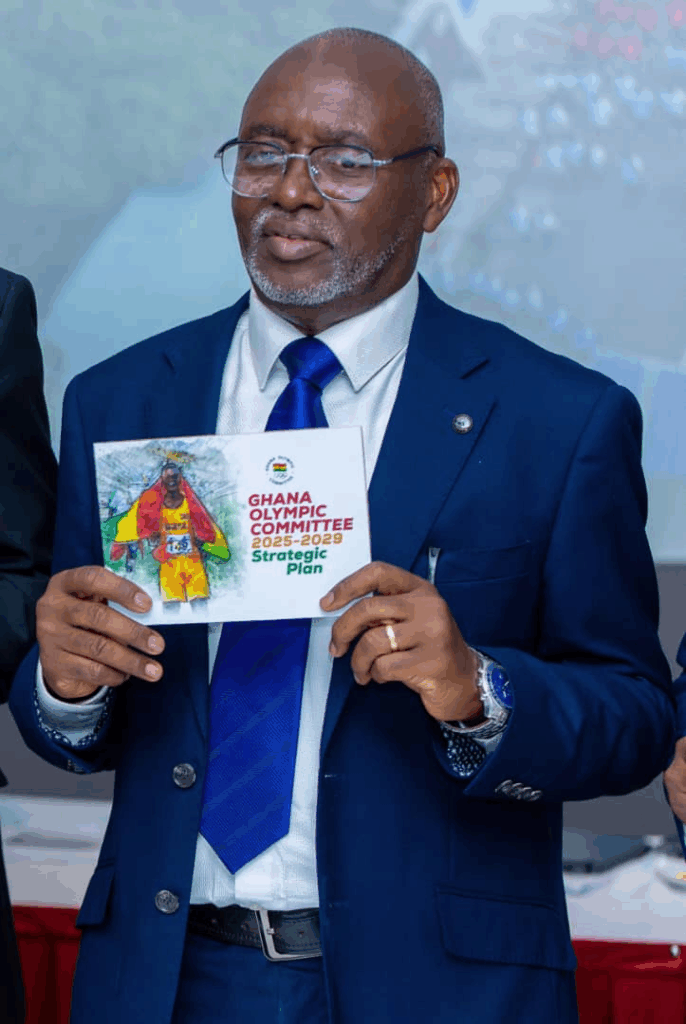
Mr Akpokavie observed that Ghana’s sporting success has often been marked by brief moments of excellence followed by prolonged periods of decline, adding that the new strategy represents a commitment to building enduring structures that will outlast the tenure of the current leadership.
Board Chairman of the National Sports Authority (NSA), Dr Fred Awaah, commended the GOC for integrating science into sports development and highlighting the sector’s contribution to national development, employment, and economic growth.
Dr Awaah said sports should be viewed not only as entertainment but as a vital industry that creates jobs, boosts the economy, and strengthens national cohesion. He pledged the NSA’s full support for the implementation of the plan, particularly in the areas of infrastructure and policy alignment.
He added that the strategy aligns with the national agenda to position sports as a serious economic sector and assured of government backing to ensure its successful execution.
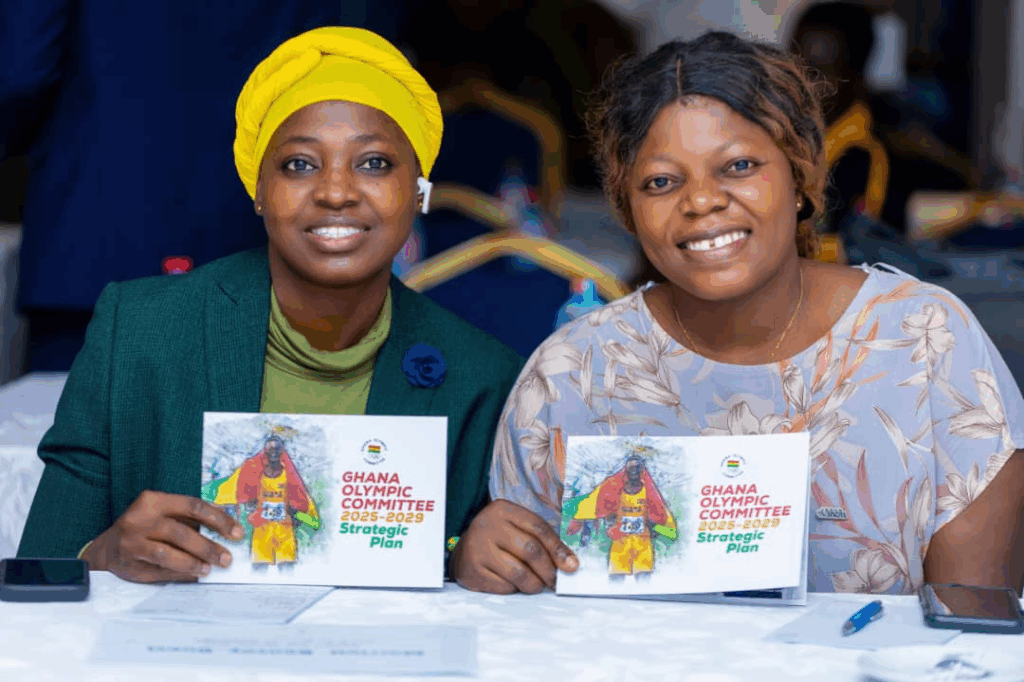
Secretary General of the GOC, Mr Mohammed Muniru Kassim, underscored the importance of unity and strong administration, describing the plan as the result of months of consultation and shared vision. He said the launch marked a transition from planning to implementation, with federation heads and athlete representatives playing a crucial role in its success.
Senior Vice President of the GOC, Mr Mawuko Afadzinu, urged sporting federations to emulate the GOC’s structured approach in order to qualify for government funding. He stressed the importance of proper documentation and clearly defined strategic plans.
Mr Chris Essilfie, a consultant and member of the Commonwealth Sport Ethics Commission, said Ghana’s challenge has never been a lack of talent but rather inconsistency in governance and ethical standards. He noted that the new strategy directly addresses these structural weaknesses and places integrity at the heart of sustainability.
President of Ghana Rugby, Mr Rafstu Inusa, described the plan as a lifeline for young athletes, saying it provides a structured pathway to ensure talent is nurtured and not wasted.
The four-year strategic plan is expected to serve as a long-term blueprint for improving the performance of Team Ghana and achieving sustainable success across all sporting disciplines.
About the Author