
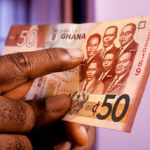
In a significant boost to the local economy, the Ghana cedi is entering the final days of 2025 on its strongest footing in 10 years.
The currency has defied traditional seasonal trends of end-of-year depreciation, marking a dramatic turnaround that is providing much-needed relief to the nation’s private sector.
For decades, the final quarter in Ghana has typically been characterised by a “forex squeeze” as importers scramble for dollars to stock shelves for the festive season.
However, 2025 has seen a reversal of this pattern. Market data reveals that the local currency has not only held its ground but has actively clawed back value against major global benchmarks.
The Numbers: A Comparative Triumph
The scale of the cedi’s recovery is most evident when compared to the turbulent close of the previous year.
Last week, the interbank market opened with the dollar at GHȼ11.50, the pound at GHȼ15.36, and the Euro at GHȼ13.47.
By the start of this final week of December, those rates had sharpened to:
- US Dollar: GHȼ11.11
- British Pound: GHȼ15.00
- Euro: GHȼ13.08
This performance stands in stark contrast to December 2024, when the dollar traded at a staggering GHȼ14.71, the pound at GHȼ18.49, and the Euro at GHȼ15.33.
The Mechanics of Stability
Economic analysts point to a “perfect storm” of positive fiscal indicators that have cushioned the cedi. Primarily, Ghana is benefiting from a current account surplus, bolstered by a favourable balance in both capital and financial accounts.
This strengthens the nation’s external buffer, allowing the Bank of Ghana to maintain a more stable exchange rate regime.
Furthermore, two specific year-end factors have played a pivotal role:
- Reduced Import Pressure: Many businesses completed their festive import cycles earlier in the year, leading to a decline in late-season forex demand.
- The “Diaspora Effect”: Massive inflows of foreign exchange from Ghanaians living abroad—returning for the various “Beyond the Return” festivities—have significantly boosted the local supply of dollars, pounds, and euros.
Relief for the Business Community
For the Ghanaian business community, this stability is more than just a statistical victory; it is a lifeline for operational planning.
Importers, cross-border traders, and manufacturers who rely on predictable exchange rates can now price their goods with greater certainty.
“The improved stability is offering relief to businesses that rely heavily on predictable exchange rates for planning, pricing and cross-border transactions,” noted a market observer, highlighting that the trend is expected to lower the general cost of doing business in the first quarter of 2026.
As the year draws to a close, the sentiment among the trading public is one of cautious optimism. Individuals who have traditionally seen their purchasing power eroded by inflation and currency depreciation are hopeful that this trend signifies a permanent shift toward macroeconomic maturity.
Market Summary: Interbank Rates at a Glance
| Currency | Mid-Dec 2025 | Year-End 2025 | Year-End 2024 |
| US Dollar ($) | GHȼ11.50 | GHȼ11.11 | GHȼ14.71 |
| GB Pound (£) | GHȼ15.36 | GHȼ15.00 | GHȼ18.49 |
| Euro (€) | GHȼ13.47 | GHȼ13.08 | GHȼ15.33 |
About the Author
