As Ghana stands on the cusp of a historic regulatory shift in its transport sector, the Commercial National Motor Rider Union of Ghana (CNMRUG) is moving to professionalise the ‘Okada’ business from the top down.
In a strategic bid to shed the industry’s informal image, the National Leadership of the CNMRUG has completed an intensive leadership development programme.
The initiative comes at a critical time: following the passage of the Road Traffic Amendment Bill 2025, which legalises commercial motorcycles and tricycles, the union is now under immense pressure to prove it can govern its thousands of members with the same discipline as formal transport organisations.
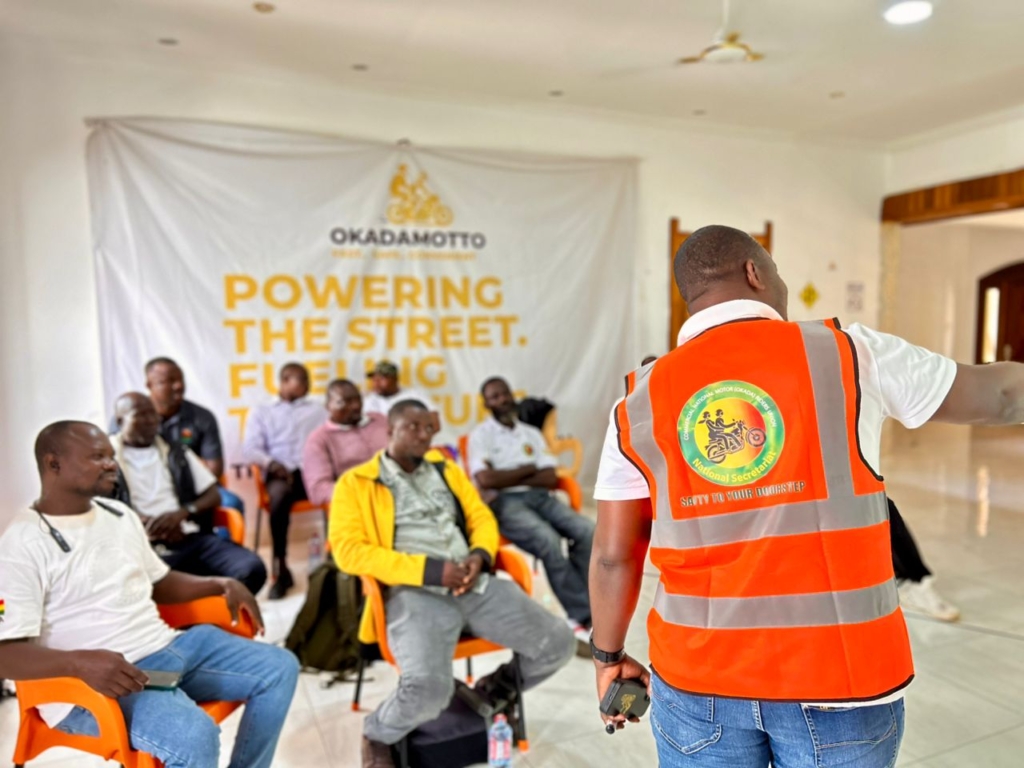
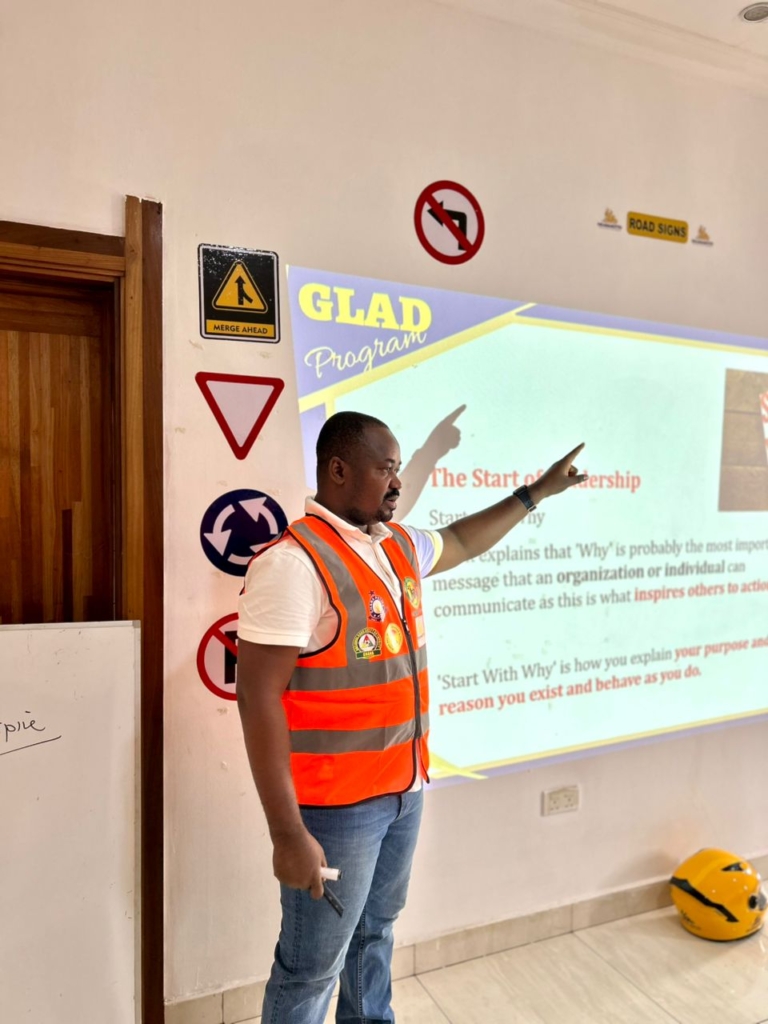
The programme held on Saturday, December 27, 2025, in Accra, was facilitated by Dr. Mohammed Sumaila, CEO of Okadamotto and a renowned leadership expert with extensive training experience across Asia.
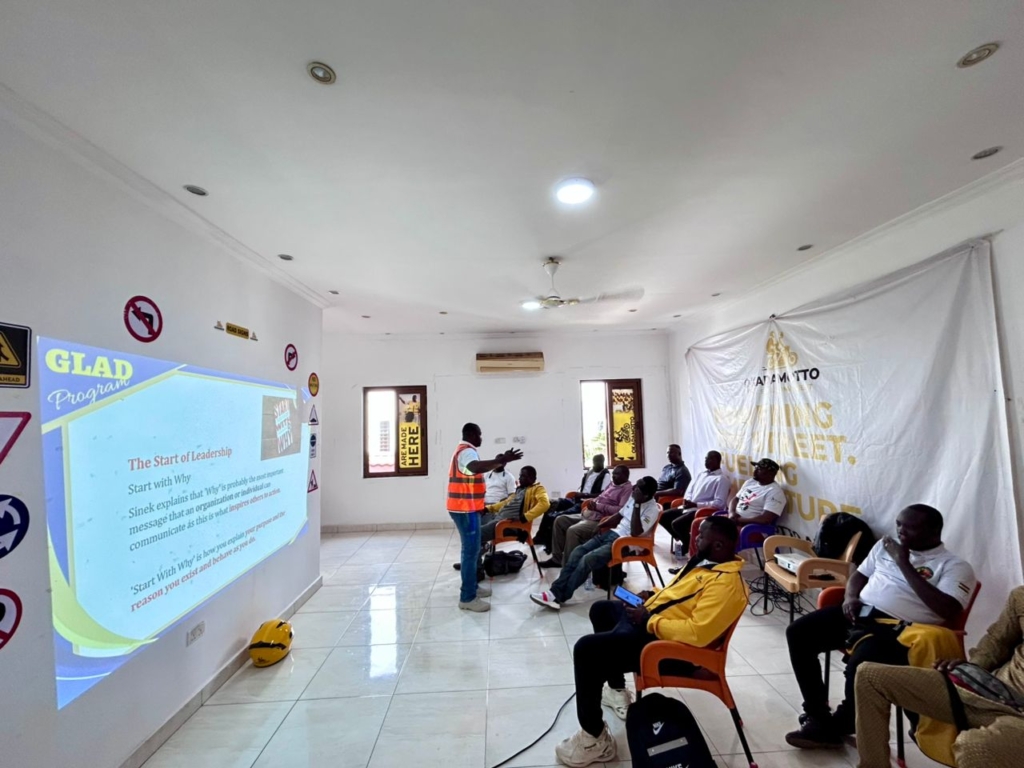
Dr. Sumaila’s involvement signals a shift toward adopting international best practices for Ghana’s riders.
The curriculum moved beyond basic road safety, diving into the complexities of strategic leadership, conflict resolution, and institutional accountability.
Leaders were challenged to transition from mere advocacy to becoming “custodians of public safety” and “ethical administrators”.
The training coincides with alarming new data from the National Road Safety Authority (NRSA), which revealed a 19.1% surge in motorcycle-related crashes in 2025.
Experts have described the current situation as a public health emergency, exacerbated by a 1,500% explosion in motorcycle numbers over the last decade without a corresponding upgrade in road infrastructure.
Speaking during the sessions, Dr. Mohammed Sumaila emphasised that the key to reversing these trends lies in the quality of union leadership.
“Strong leadership structures are essential for advancing the welfare of motor riders and ensuring long-term growth within the sector. Visionary leadership and ethical responsibility are not just ideals; they are requirements for survival in this new legal landscape,” Dr. Sumaila noted.
For years, ‘Okada’ riders have faced stereotypes and systemic neglect.
However, with the new mandatory union membership rule recently announced by the Ministry of Transport, unions like CNMRUG are now the primary gatekeepers of the industry.
The training focused heavily on effective representation, ensuring that national leaders can accurately voice the concerns of grassroots riders—such as police harassment, the need for dedicated lanes, and the implementation of Ghana-specific helmet standards—to policymakers.
The participating CNMRUG leaders hailed the programme as a “turning point” for the union.
They acknowledged that, as they prepare for full commercial legalisation in early 2026, the skills gained in organisational management will be vital for member engagement and fee collection transparency.
“The knowledge and skills gained will contribute significantly to improving union operations and member engagement nationwide. This is about building an institution that can stand the test of time,” a union spokesperson added.
About the Author