

The Climate and Knowledge Development Network (CDKN) Ghana has been recognised for its outstanding work in promoting climate action and sustainable practices in Ghana and across Africa.
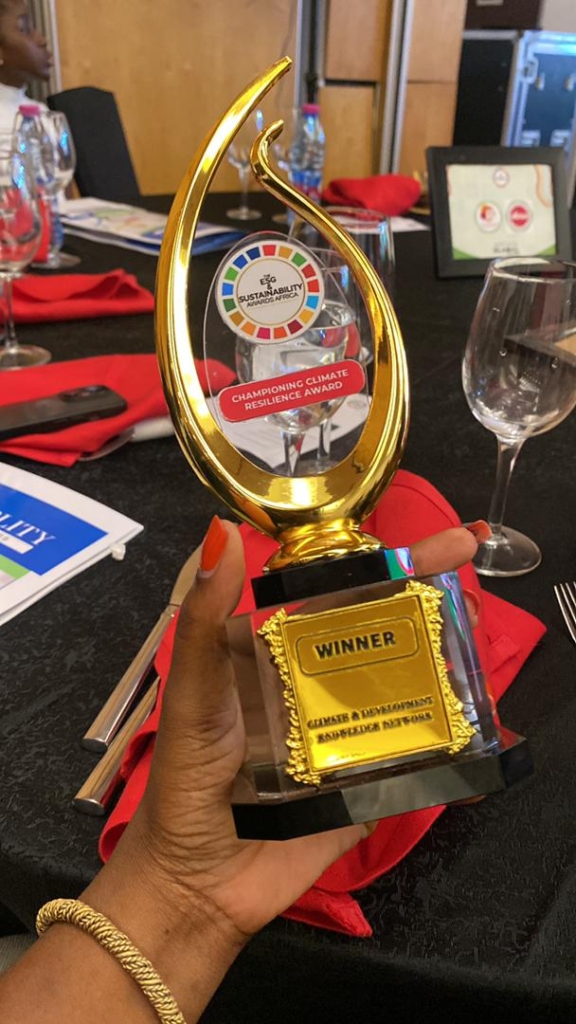
CDKN Ghana received the Championing Climate Resilience Award at the Environmental Sustainability Goals Awards, along with its Country Engagement Lead, Dr. Prince Ansah, who also picked up the Excellence in Leadership Award.
The recognition comes barely a week after Dr. Ansah of CDKN Ghana was honoured at the 100 Most Influential People’s Award 2025.
Speaking to JoyNews, Dr. Ansah said the awards highlight the urgent need for stronger climate literacy in Ghana.
“These awards are a testament to the work we are doing. It’s not just about us, it’s about all the players helping communities, businesses and institutions adapt and contribute to climate resilience across the country,” he said.
According to the Ghana Meteorological Agency, the country’s average annual temperature has risen by about 1°C since the 1960s, with northern regions warming faster than the south.
The frequency of extremely hot days and nights is increasing, while irregular rainfall is affecting agriculture, water resources, and public health. Projections indicate temperatures could rise by 1.8°C by 2100, with sea levels potentially increasing by 0.5 meters along the coast.
Dr. Ansah stressed that climate action requires collaboration across sectors.
“Low literacy and limited resources can be addressed through institutional collaboration. Businesses, educational institutions, government agencies and NGOs, all must work together to ensure the climate message reaches the people and that we innovate solutions to the climate crisis in Ghana and beyond,” he said.
The Environmental Sustainability Goals Awards, organized by Global Ovations Ltd., celebrate leaders and organizations advancing environmental stewardship, social equity and good governance (ESG) across Africa. The awards aim to shine a spotlight on change makers shaping a more sustainable, inclusive and resilient continent.
Experts say Ghana must urgently boost climate literacy alongside policy enforcement. Without it, the country faces greater environmental and economic risks from rising temperatures, unseasonal rains and coastal erosion.
About the Author