
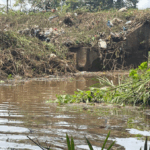
In the face of a deepening environmental disaster where the sacred Tano River has turned from a life-giving artery into an open, polluted gutter, a determined movement of hope is taking root.
While the crisis threatens Techiman’s health, heritage, and survival, a group of young volunteers known as the “City Boys” has emerged, rolling up their sleeves to restore the dignity of their dying river.
Their grassroots action embodies the urgent call for collaboration and offers a fragile but powerful hope that Techiman’s lifeline can be saved.
A Queen’s Lament: The River of Yesterday
The Paramount Queen Mother of Tuobodom, Nana Akua Amoa II, remembers the Tano River in its glory. Her voice carries the weight of a heritage now slipping away.
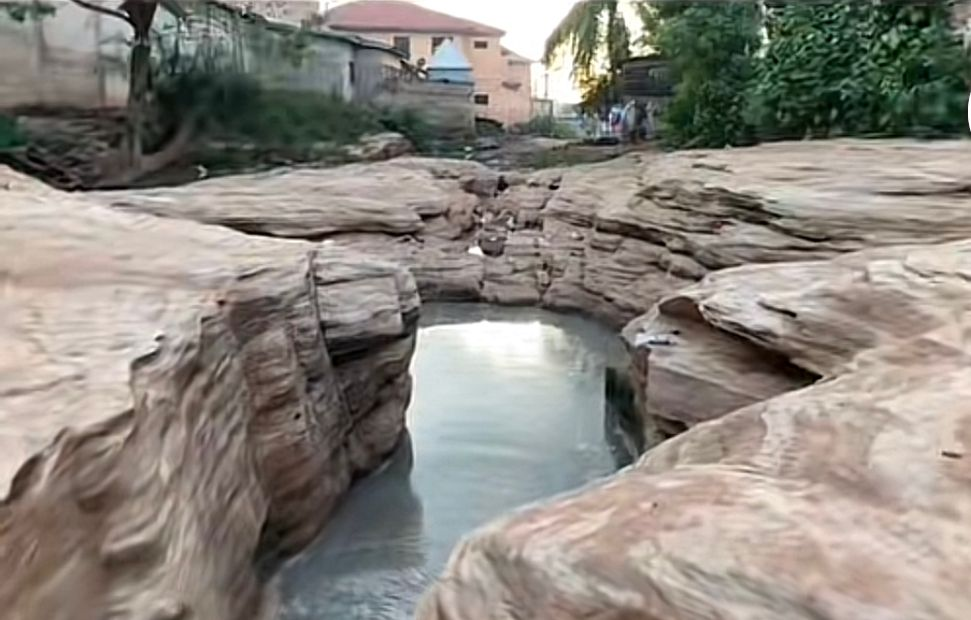
“The Tano River was beautiful and calm. The authorities then were strict; no one was allowed to farm close to its source,” she recalls, painting a picture of a community in harmony with nature. “The fishes were so plentiful and beautiful that people would come with bread to feed them. It was a spectacle.”
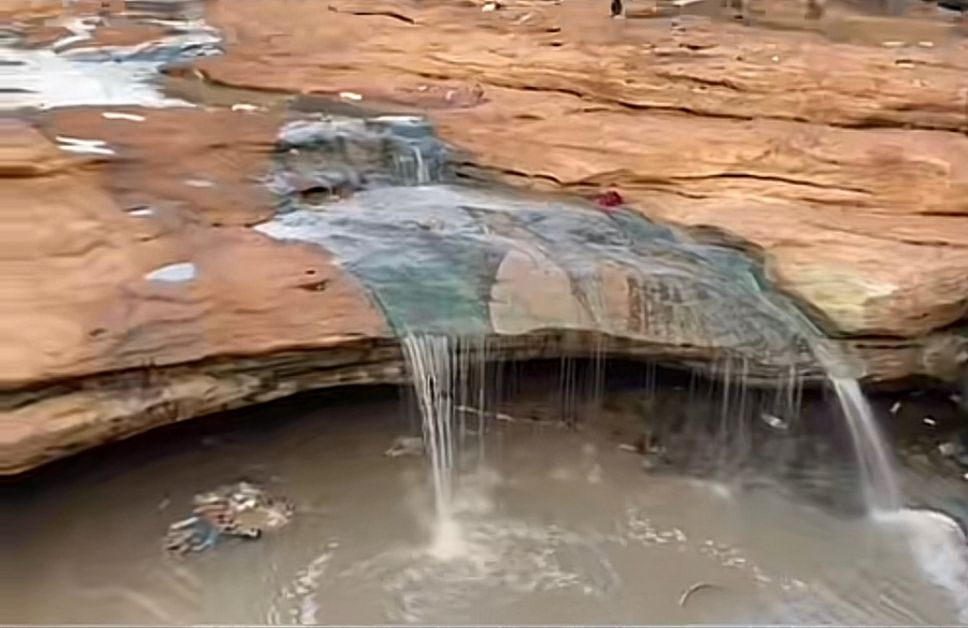
Today, that spectacle is a memory. “Now,” she states with palpable sorrow, “the river has turned into a gutter.”
The Human Cost: Sickness and Desperation
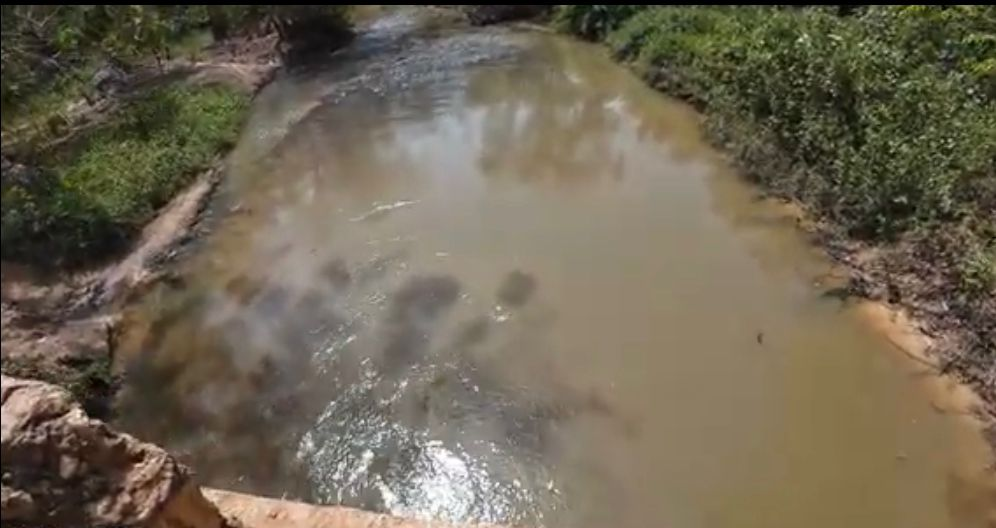
For residents of Asutia in the Tanoso Electoral Area, the river’s decline is a daily, dangerous reality. It remains their sole source of drinking water.
“We risk falling ill every day,” one resident explains. The situation worsens dramatically after heavy rains. “The water gets dirtier because the rains wash down all the filth from the town into the river.”
This direct link between environmental degradation and public health is a primary concern for local leaders. Hon. Zakaria Mohammed, Assemblyman for Tanoso, laments the toll.
“The health problems the people go through are overwhelming,” he says. “We are calling for immediate support.”
The Diagnosis: Why is the Tano Dying?
Osman Young, Area Head of the Environmental Protection Agency (EPA), points to rampant urbanization.
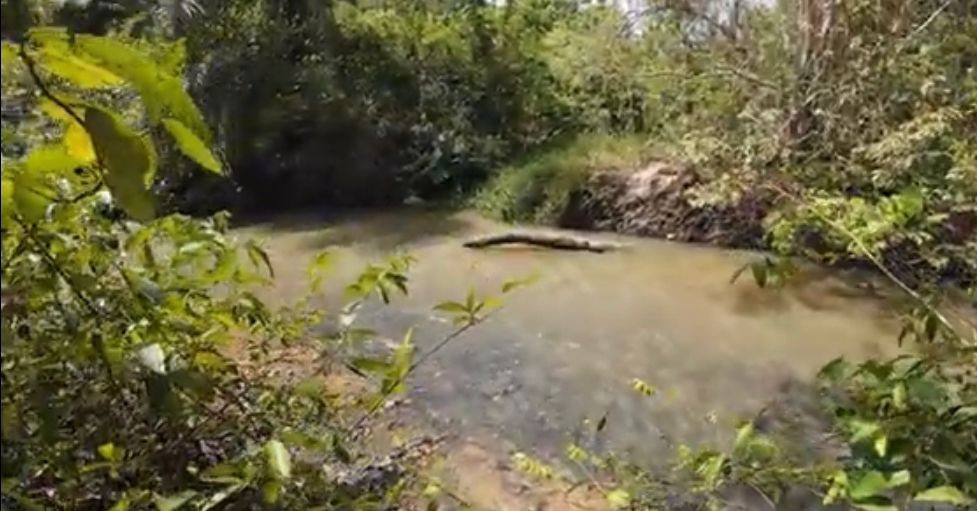
“Urbanization has led to the encroachment of the riparian vegetation,” Young explains. This destruction has triggered a domino effect: “pollution, siltation, and increased evaporation.”
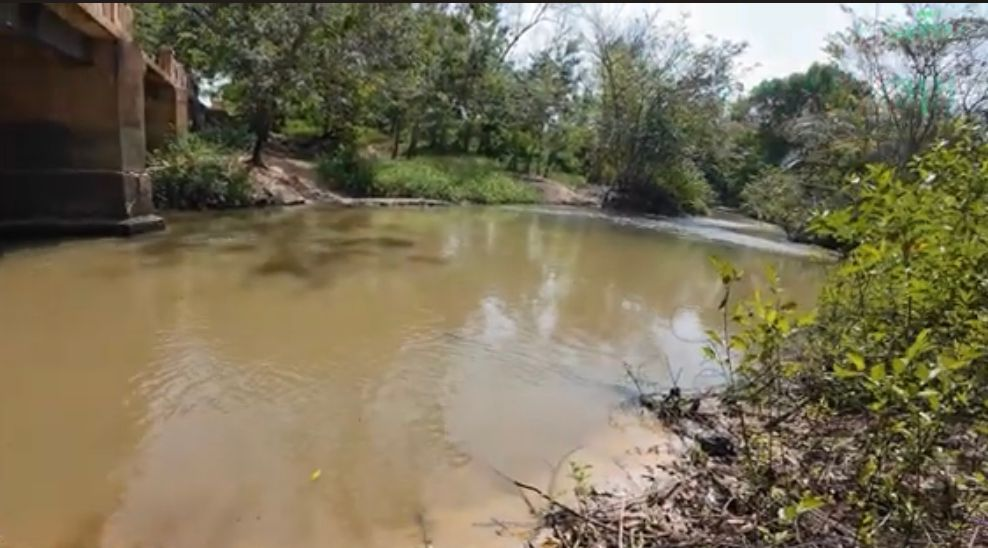
He expresses deep concern for the river’s ecosystem, noting the devastating impact on the habitat of its crocodiles and fishes.
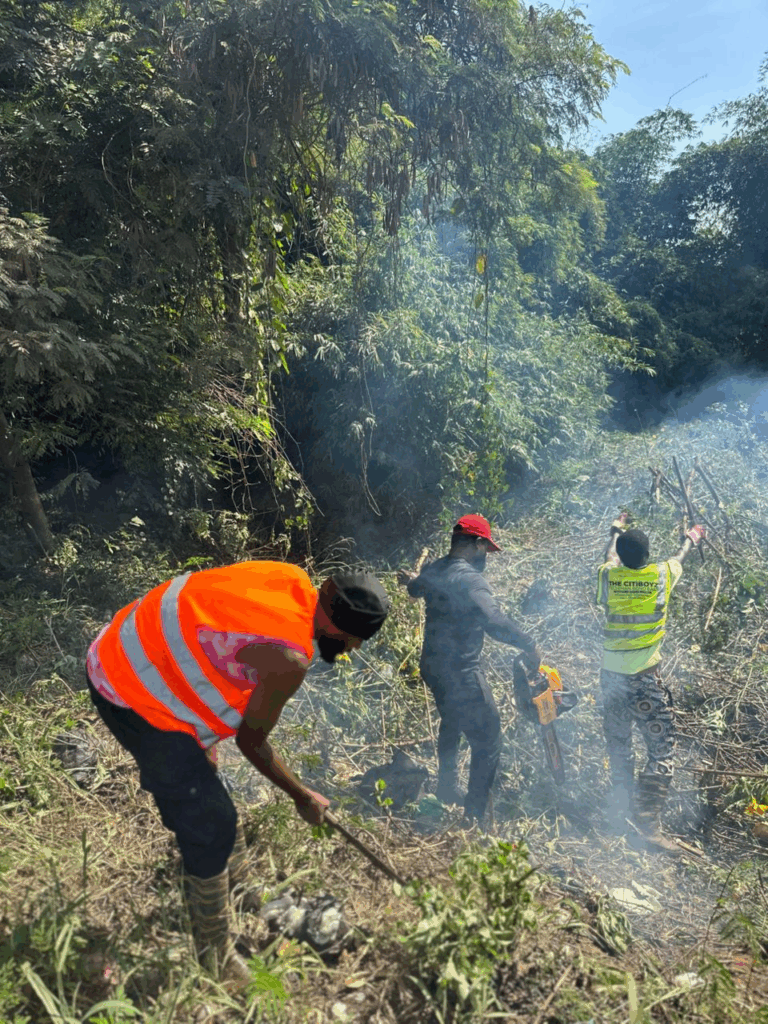
Adding to the crisis is a deeply troubling practice. Lamptey Gyan, the Regional Environmental Health Officer, warns that the use of the river as a defecation site is a ticking time bomb.
“When the very source of drinking water is also a site for defecation, we are creating a direct route for the spread of cholera, typhoid, and other deadly diseases,” Gyan states.
The Climate Change Multiplier: From Drought to Deluge
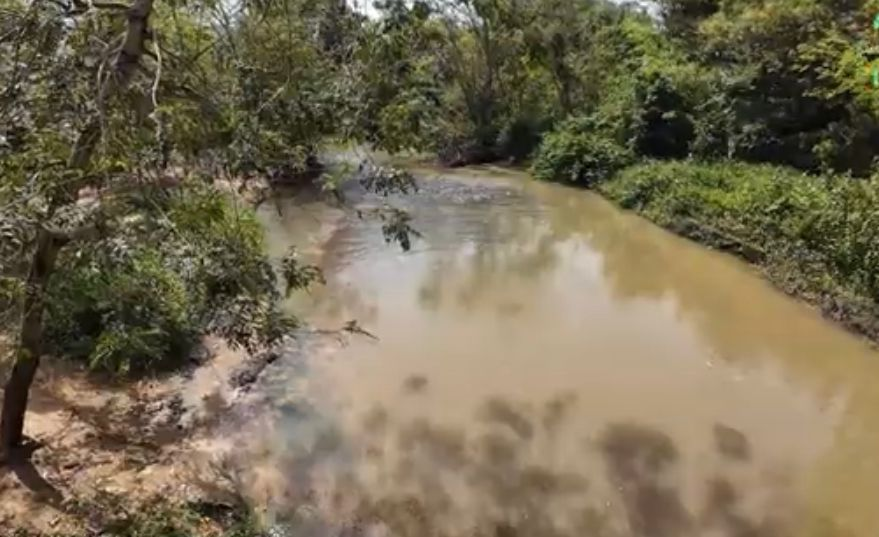
While local actions are the primary cause, the global climate crisis acts as a destructive force multiplier. Emmanuel Lignule, Regional EPA Boss, explains that climate change leads to more erratic and intense rainfall.
Without riparian vegetation to act as a natural sponge, these downpours do not recharge the river. Instead, they wash unprecedented amounts of silt, garbage, and waste from the encroached banks into the Tano in a concentrated, toxic pulse.
This links directly to another disaster. Adamu Mohammed, Techiman North NADMO Director, notes that continuous pollution and siltation are now causing floods.
“The silt and waste block the river’s channel,” he says. “When the heavy rains come, the water has nowhere to go, so it overflows. The pollution that kills the river is now also flooding our communities.”
The Frontline of Hope: The “City Boys” in Action
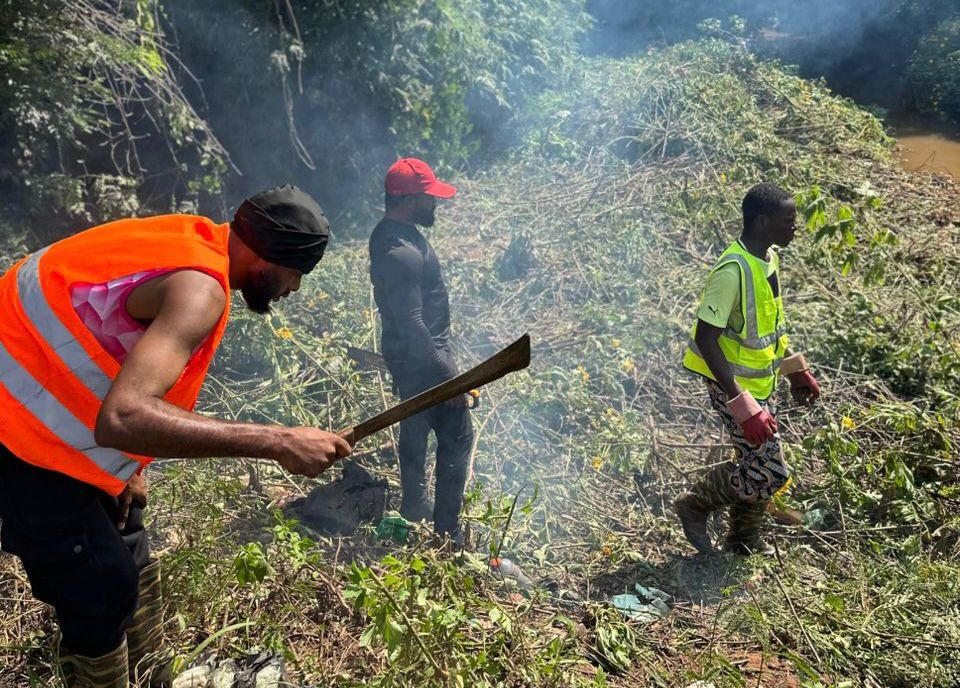
Amidst this dire panorama, the “City Boys” represent a defiant seed of hope. This group of young volunteers is not waiting for outside salvation. They are actively clearing debris, advocating for change, and mobilizing their community to see the river not as a gutter, but as a shared mother to be protected.
Their effort underscores the larger solution championed by authorities. Osman Young of the EPA makes a fervent appeal for a unified front:
“I am appealing to state agencies—the Assembly, the Water Resources Commission, the EPA—and to Nananom [traditional leaders] to collaborate to protect the life of the Tano River.”
He visions a revitalized future: “If properly maintained, the Tano River could be a recreational site. Tourists could visit to watch the harmless crocodiles and fishes. This is about restoring our environment and boosting our local economy.”
The Final Stand
The story of the Tano River is a microcosm of a global challenge, highlighting how local neglect and global climate change converge with devastating consequences. The journey from a sacred wonder to a polluted channel is a man-made tragedy.
Yet, in the determined actions of Techiman’s youth and the growing call for collaboration, there lies a final chance. The fight to ensure Techiman’s lifeline does not run dry for good has found its most passionate soldiers. The “City Boys” have lit a torch; now, the entire community must carry it forward.
This story is brought to you by JoyNews in partnership with CDKN Ghana and the Centre for Climate Change and Sustainability Studies at the University of Ghana, with funding from the CLARE R4I Opportunities Fund. It is co-authored by Dr. Yaw Agyeman Boafo and Doreen Larkailey Lartey of the University of Ghana.
About the Author
