
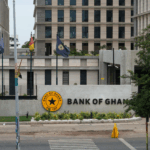
Bank of Ghana (BoG) has signalled its intention to scale back its liquidity mop-up programme next year.
The move will, however, depend heavily on inflation and exchange rate pressures remaining contained in 2026.
The Central Bank made this known in a question-and-answer document released after the Monetary Policy Committee meeting, which resulted in a 350 basis points cut in the policy rate to 18 per cent.
The Bank said any scale-back will be done “so cautiously and only as macro-economic conditions permit.”
It also expressed confidence in the disinflation path and ongoing fiscal discipline, adding that its priority is to keep inflation expectations well anchored using “both interest rate policy and liquidity absorption tools.”
Policy Rate Adjustments
The Bank said future policy rate decisions will be guided by key economic indicators, including inflation forecasts, core inflation trends, GDP growth, exchange rate movements, money supply dynamics, commodity prices and developments in the balance of payments.
According to the statement, this data-driven approach “will aim to ensure that headline inflation remains within the medium-term target band of 8 ± 2 per cent while supporting macroeconomic stability.”
Responding to concerns about easing monetary policy despite the IMF’s call for a tight stance, the Bank argued that easing does not necessarily mean policy is loose.
It maintained that the recent rate cuts “are therefore fully consistent with the IMF’s recommendation to maintain a tight monetary policy stance.”
Reviewing the Inflation Target
On suggestions that the inflation target of 8 ± 2 per cent should be reviewed because inflation has fallen faster than expected, the Bank dismissed the calls.
It said “inflation has been at target for only two months—far too short to justify such a review.”
The Bank added that it looks forward to a period when inflation is firmly anchored within the band for much longer, which will allow for a joint decision with fiscal authorities to consider revising the target downward.
Balancing Inflation Control and Market Liquidity
Responding to questions about whether it will scale back open market operations in 2026 to avoid destabilising market liquidity, the Bank said it is prepared to ease liquidity absorption only if inflation and exchange rate conditions remain stable.
It emphasised that the Bank remains confident in the disinflation process and fiscal discipline, and will prioritise keeping inflation expectations anchored through interest rate policy and liquidity management tools.
About the Author
