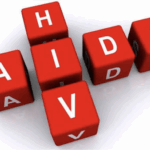
Ghana on Monday joined the international community to commemorate World AIDS Day 2025, with renewed calls for sustained domestic financing to protect HIV prevention and treatment services amid declining global support.
Stakeholders, including civil society organisations (CSOs) and NGOs working in HIV and AIDS, warned that Ghana’s progress could stall unless the government takes full ownership of the national HIV response.
They said shifting donor priorities threatens the continuity of essential prevention, treatment and care services across the country.
According to them, the future of HIV programming will depend on Ghana’s ability to mobilise domestic resources, strengthen partnerships, and maintain political, financial and social commitment toward ending AIDS as a public health threat by 2030.
This year’s global theme, “Overcoming Disruption, Transforming the AIDS Response,” reflects the challenges facing Ghana. At the same time, the national sub-theme, “Africa Unites Against AIDS,” emphasises the need for collective regional action to safeguard vulnerable populations and reinforce resilient health systems.
Although Ghana has expanded HIV testing, treatment and care in recent years, the epidemic remains a major public health concern, with more than 334,700 people currently living with HIV, according to national estimates.
Data from the National AIDS Control Programme (NACP) shows that 15,200 new infections and 12,600 AIDS-related deaths were recorded in 2024.
New infections are rising, particularly among adolescents and young adults aged 15–24, raising concerns among public health advocates.
The Ghana HIV and AIDS Network (GHANET) said domestic financing remains inadequate and warned that the country risks losing momentum if swift action is not taken.
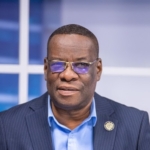
GHANET President, Mr Ernest Amoabeng Ortsin, called for the operationalisation of the National HIV and AIDS Fund (NHAF), established in 2016 but dormant for nearly a decade. He said the fund is crucial as donor support continues to decline.
“Since 2002, the Global Fund has invested US$1.5 billion into Ghana’s HIV, TB and malaria responses, but with transitional arrangements underway and donor assistance expected to shrink significantly, the need for domestic resource mobilisation has never been more urgent,” Mr Ortsin said.
Ghana’s funding challenges reflect broader disruptions in the global HIV response. A new UNAIDS report, “Overcoming Disruption, Transforming the AIDS Response,” warns that the world is facing its most significant HIV setback in decades.
Sharp reductions in international funding in 2025 have weakened prevention and community-led services across low- and middle-income countries.
In remarks to mark World AIDS Day, Ms Winnie Byanyima, Executive Director of UNAIDS, stressed that behind every data point “are real people being left behind.”
“We cannot abandon them. We must overcome this disruption and transform the AIDS response,” she said.
She expressed concern about major cuts to essential services, including pre-exposure prophylaxis (PrEP), voluntary medical male circumcision and prevention programmes for young women.
“Many community-led organisations, especially women-led groups, have been forced to scale down or close, leaving millions without support. Globally, young women and girls remain disproportionately affected, with 570 new infections every day among those aged 15–24 in 2024,” she said.
Ms Byanyima cautioned that the world risks 3.3 million additional new infections between 2025 and 2030 if countries fail to meet global HIV targets.
UNAIDS is urging global leaders to maintain international support for the most affected countries, invest in innovative and long-acting prevention tools, uphold human rights, and protect marginalised communities.
It also calls for strengthened community-led interventions, which remain central to reaching populations most vulnerable to HIV.
As the world marks World AIDS Day 2025, Ghana faces a pivotal moment—one that demands political will, strategic investment and long-term commitment to ensure that the fight against HIV and AIDS does not lose its hard-won gains.
World AIDS Day brings together people across the globe to raise awareness about HIV and AIDS and demonstrate international solidarity in the face of the pandemic.
It provides an opportunity for public and private partners to spread awareness about the status of the pandemic and encourage progress in HIV prevention, treatment and care worldwide.
According to the World Health Organisation (WHO), HIV is a virus that attacks the body’s immune system, while AIDS represents the most advanced stage of infection.
HIV weakens the immune system by targeting white blood cells, making it easier for individuals to develop illnesses such as tuberculosis, infections and some cancers.
The virus is transmitted through the body fluids of an infected person, including blood, breast milk, semen and vaginal fluids. Kisses, hugs or sharing food do not spread it. It can also spread from a mother to her baby.
HIV can be prevented and treated with antiretroviral therapy (ART); untreated HIV can progress to AIDS, often after many years.
About the Author